
+86-21-37782156
info@shzhj.com
_1783390413_WNo_1600d900.webp)
Every switchgear failure investigation seems to circle back to the same weak point: the busbar connection. As power systems push toward higher currents and tighter reliability margins, the choice between tinned copper busbar, silver plated copper busbar, and nickel plated copper busbar has moved from an afterthought to a critical design decision.
So which coating actually fits your project? The answer depends on current load, operating environment, and budget — and getting it wrong can mean overheating, premature corrosion, or unnecessary cost. This guide breaks down the real differences in conductivity, durability, and price, based on how each coating performs in the field. It's especially useful for:
Copper busbar carries the current, but the coating determines how long it performs reliably — making the right choice essential rather than optional. Keep reading to see exactly how tin, silver, and nickel compare, and which one fits your application.
Table of Contents
Picture a switchgear room. Warm air. A little humid.
Six months later, an engineer opens the panel. He sees dark, greenish patches on the bare copper busbar. The joints feel warmer than they should. That's oxidation at work.
The real trouble happens underneath.
Bare copper reacts with oxygen and moisture. A thin oxide layer forms on the surface. It's not conductive. Current has to push through it. Resistance climbs. Heat builds up at the joint. More heat, more oxidation, more resistance.
This pattern shows up across different conditions.
| Condition | What Happens to Bare Copper | Impact on Performance |
|---|---|---|
| Humid environment | Surface oxidizes within weeks | Contact resistance rises |
| High current load | Joint temperature increases | Accelerated oxidation cycle |
| Coastal or industrial air | Sulfur and salt speed up corrosion | Shortened service life |
This is why plating is standard practice, not an extra.
This is where busbar plating comes in. A layer of tin, silver, or nickel sits on top of the copper, blocking oxygen and moisture from the base metal.
Think of it like a raincoat. The copper underneath stays dry and conductive.
A good copper busbar coating does three things: resists corrosion, keeps contact resistance low, and makes assembly and maintenance easier.
Next, let's see how tin, silver, and nickel plating each handle this job.
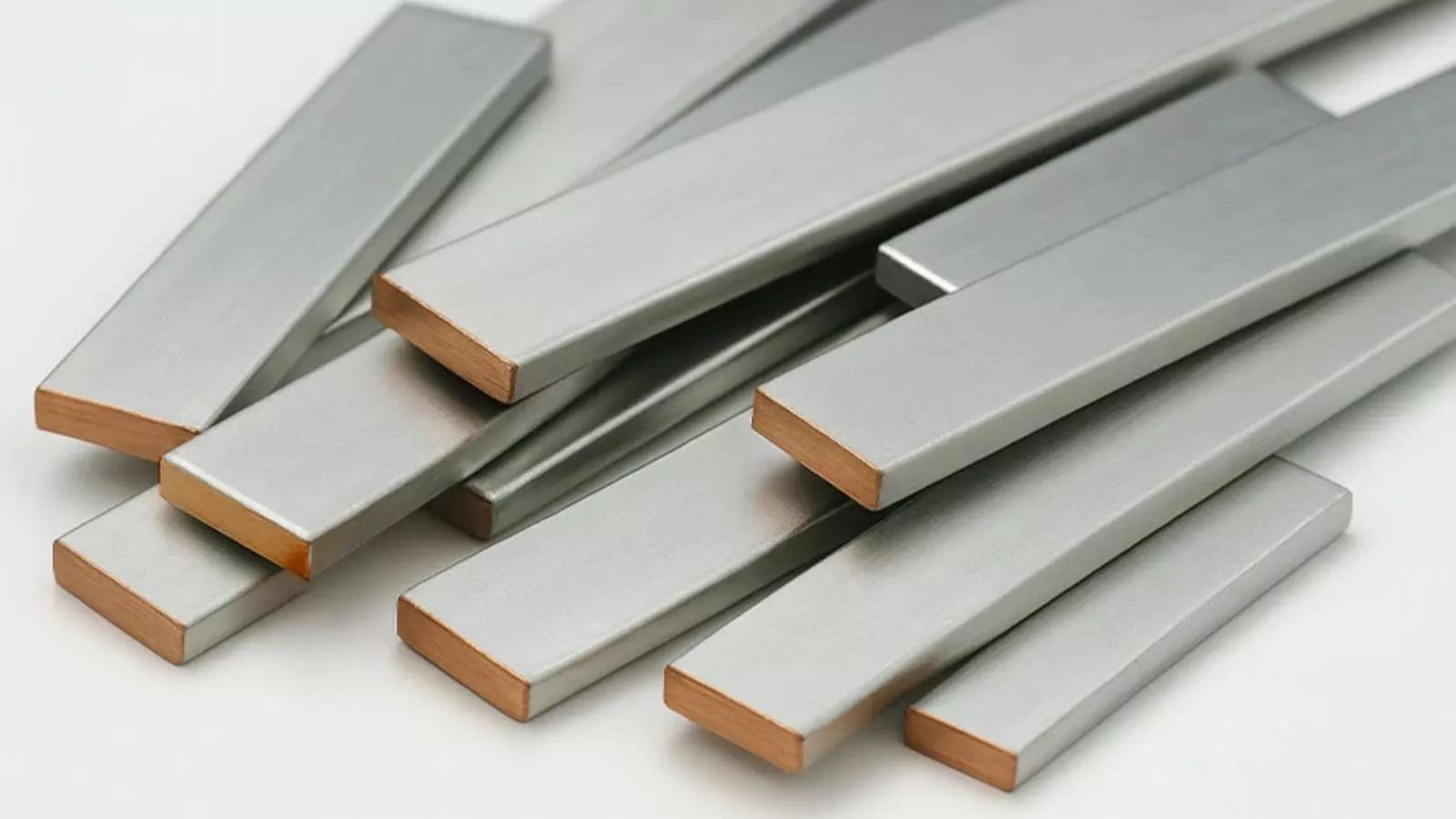
A factory in a coastal city installs new switchgear. Salt air drifts in through the vents every day.
The engineer picks tinned plated copper busbar for the job. A thin layer of tin covers the copper surface. It's the industry's go-to choice for budget-friendly protection.
Here's what makes this coating so widely used.
Tin resists oxidation well. It solders easily. It costs less than silver or nickel. That combination makes copper tinned busbar a common sight in switchgear, panel boards, and general power distribution.
It's not the top performer in every category. But for everyday indoor and light outdoor use, it does the job reliably.
Now compare that to a data center running at full capacity around the clock.
Every connection matters. Even a small rise in contact resistance means wasted energy and extra heat.
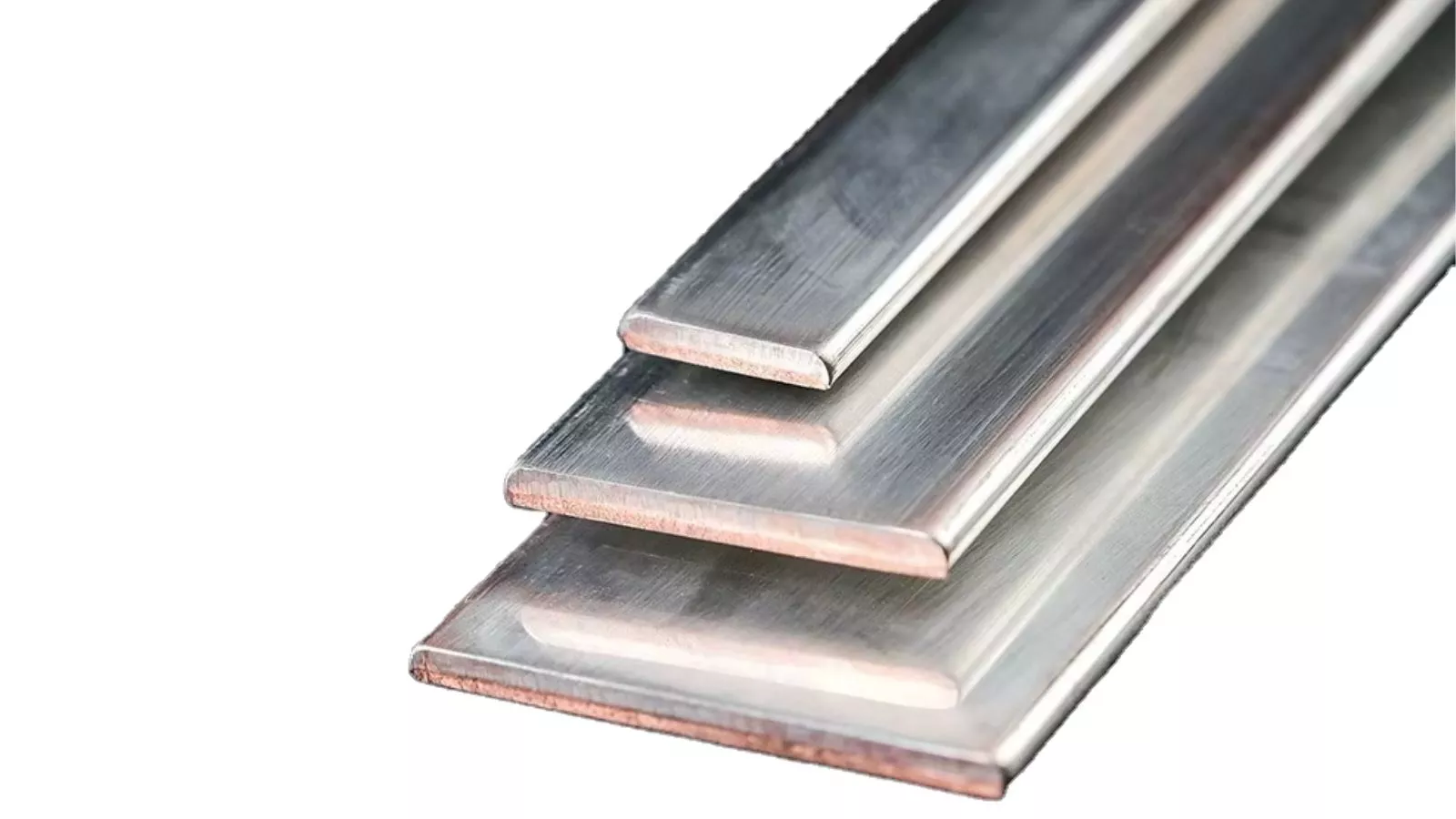
This is where silver plated copper busbar earns its place. Silver has the lowest contact resistance of any common plating metal.
That property translates into real performance gains.
A silver plated copper bar stays cooler under heavy current. It handles high-frequency and high-precision applications with ease. That's why it shows up in aerospace equipment, medical devices, and premium electrical systems.
The tradeoff is cost. Silver plating costs more than tin or nickel. Projects choose it when performance matters more than price.
Picture a busbar working next to a welding line, where heat and friction never stop.
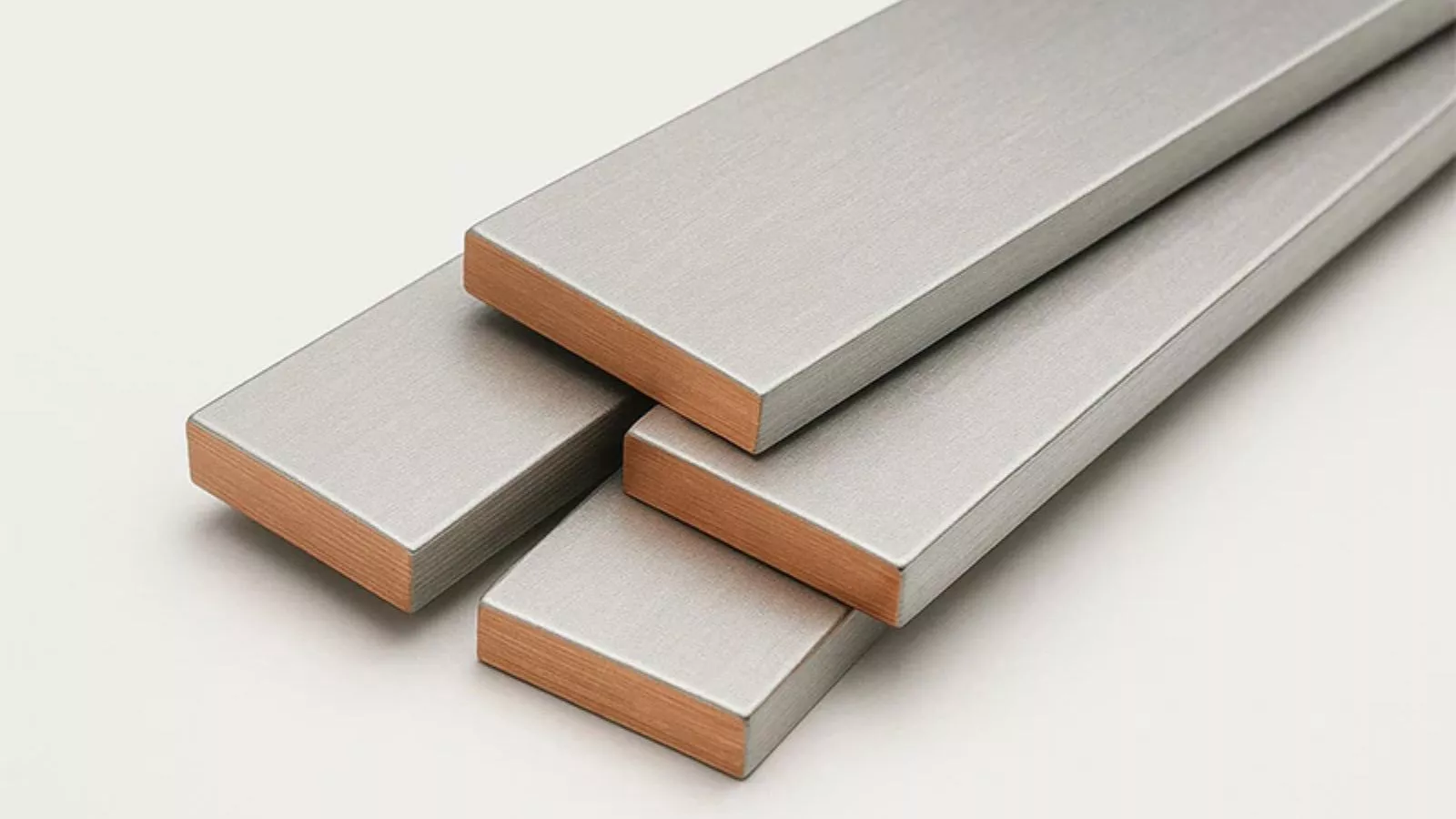
Tin would soften. Silver would wear down. Nickel plated copper busbar holds up.
Nickel is hard, heat-resistant, and stable at high temperatures. It doesn't scratch or wear as easily as softer coatings.
That toughness opens up specific use cases.
A nickel plated busbar is often chosen for high-temperature environments, or as a base layer before welding. It also works well where mechanical wear is a real concern, not just corrosion.
With all three coatings introduced, here's how they stack up side by side.
| Property | Tinned Plated | Silver Plated | Nickel Plated |
|---|---|---|---|
| Conductivity | Good | Best | Moderate |
| Corrosion resistance | Good | Good | Excellent |
| Heat resistance | Moderate | Moderate | High |
| Cost | Low | High | Moderate |
| Common use | General power distribution | High-precision, high-current systems | High-heat or high-wear environments |
Silver wins here, and it isn't close. Silver has the lowest bulk resistivity of any metal, even lower than copper itself. That translates directly into lower contact resistance at every joint.
Lower contact resistance means less voltage drop across connections. It also means less heat generated at high current levels. In systems running above a few hundred amps, that difference adds up fast — both in energy loss and in long-term joint reliability.
Tin comes next. Its conductivity is lower than silver's, but still good enough for standard current loads found in most switchgear and panel board applications. For typical industrial current levels, the gap between tin and silver rarely justifies the price difference.
Nickel ranks lowest in pure conductivity among the three. Its resistivity is noticeably higher than tin or silver. That's not why engineers choose it, though — nickel is selected for durability and heat resistance, not for conductivity performance.
Think of three busbars sitting in the same humid warehouse for a year.
The tinned-plated one shows light surface discoloration but stays fully functional. Tin oxide forms slowly and doesn't significantly increase contact resistance under normal conditions.
The silver-plated one holds up well too, though silver can tarnish when exposed to sulfur compounds in the air. This is common near industrial exhaust or certain rubber materials. Silver sulfide forms a thin dark layer, which is mostly cosmetic but can slightly raise resistance over time.
The nickel-plated one looks almost untouched. Nickel forms a passive oxide layer that's extremely stable, resisting both moisture and chemical attack far better than tin or silver.
Temperature performance follows a similar pattern. Tin has a relatively low melting point, around 232°C, and can soften or degrade under sustained high heat. Silver performs better thermally but isn't built for extreme, continuous heat exposure. Nickel handles high operating temperatures — often up to 300°C or more depending on application — without losing its protective properties.
For extreme heat, like near furnaces, welding stations, or high-ampacity busway near transformers, nickel is the clear choice. For general humidity and moderate temperatures found in most electrical rooms, both tin and silver perform reliably over the long term.
Tin is the most affordable plating option, and by a meaningful margin. Tin is a relatively low-cost metal, and the plating process itself is well-established and efficient at scale. This is why so many standard projects default to tinned plated copper busbar from the start, especially for large orders where budget matters most.
Nickel sits in the middle. Nickel plating costs more than tin due to both material price and a more demanding plating process — nickel typically requires tighter process control to achieve good adhesion and consistent thickness. Even so, it remains less expensive than silver plating in most cases.
Silver is the most expensive by far. Silver's raw material cost fluctuates with global commodity markets, and the plating process requires precision to apply a thin, even layer without waste. The price reflects both that material cost and the performance silver delivers — lower resistance, better long-term contact reliability, and reduced energy loss in high-current systems.
To put this in perspective, here's a rough cost comparison based on plating cost added per kilogram of finished busbar.
| Coating | Relative Cost Index | Typical Added Cost vs Bare Copper |
|---|---|---|
| Tinned Plated | Low | +3% to +8% |
| Nickel Plated | Medium | +8% to +15% |
| Silver Plated | High | +20% to +40%+ |
These figures are general estimates for reference only. Actual pricing depends on plating thickness, busbar dimensions, order volume, and current metal market prices — silver in particular can shift significantly with commodity markets. Always request a quote based on your specific specification.
Total cost should also account for lifecycle factors. A cheaper coating that needs earlier maintenance or replacement may cost more over time than a higher-priced option that lasts longer under the same conditions.
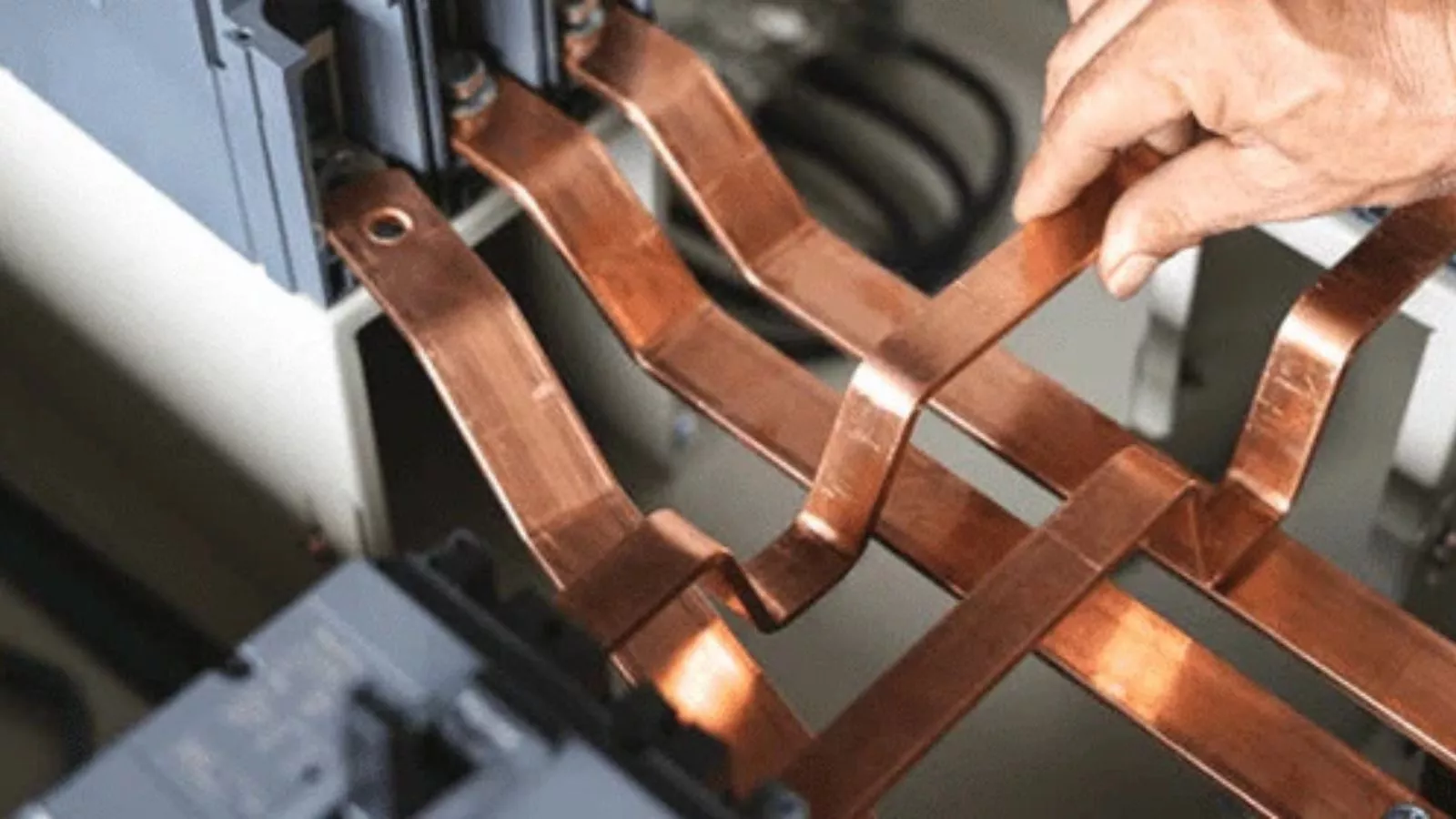
Different industries lean toward different coatings, based on what they need most from the connection.
| Coating | Typical Applications |
|---|---|
| Tinned Plated | Switchgear, panel boards, general power distribution, low-voltage equipment |
| Silver Plated | Data centers, aerospace, medical equipment, precision electronics, high-current busway |
| Nickel Plated | High-temperature equipment, welding stations, harsh industrial settings, pre-weld busbar |
These aren't rigid rules. A data center focused on cost control might still choose tinned plated busbar for lower-current sections, while reserving silver plating for critical high-load paths. The application dictates the requirement — the coating should follow.
Start with the operating environment. Is it humid, hot, exposed to salt air, or near chemical processes? Environments with high sulfur content favor nickel over silver. Coastal or high-humidity settings work well with either tin or nickel, depending on temperature.
Next, think about current load and contact resistance requirements. High-current, precision systems benefit from plated copper bus bar options like silver, where every millivolt of resistance translates into measurable heat and energy loss. Standard loads in typical switchgear usually don't need that level of performance.
Consider mechanical demands too. If the busbar will be welded, bolted and unbolted repeatedly, or exposed to physical wear, nickel's hardness offers an advantage that tin and silver don't provide.
Finally, factor in budget and order volume. If cost matters more than marginal performance gains, tin plating often wins for standard applications. For critical systems where downtime or energy loss carries a higher cost than the plating premium, silver or nickel becomes the more sound long-term choice.
Plating thickness matters more than most buyers realize. A coating that's too thin wears through quickly under repeated connection cycles, thermal cycling, or mechanical stress at bolted joints. Once the base copper is exposed, oxidation starts immediately, and the coating's protective benefit is lost.
Ask suppliers for the tinned plated copper busbar specification sheet before ordering. It should clearly list plating thickness in microns, adhesion test results, and any relevant industry standards the product meets, such as those covering electroplating quality or busbar dimensional tolerances.
A reliable copper bus bar coating process includes consistent thickness across the entire surface — not just the visible edges or contact faces. Uneven plating often signals a rushed or poorly controlled process, which can lead to premature failure at the thinnest points.
It's also worth confirming whether the coating meets any specific requirements from your industry, such as RoHS compliance for electronic applications, or salt spray test results for outdoor and marine use.
Not every supplier controls plating quality the same way. Some skip thickness testing entirely. Some use inconsistent processes between batches, which means one shipment may perform differently than the last.
Look for tinned plated copper busbar suppliers that offer test reports, sample parts, and clear specification sheets upfront — before you commit to a full order.
A supplier that can produce all three coatings — tin, silver, and nickel — in-house usually has better process control and more consistent results across orders. In-house plating also means shorter lead times and easier communication if adjustments are needed for a specific project.
It's also worth asking about custom dimensions, minimum order quantities, and whether the supplier can provide traceability documentation for regulated industries. These details often separate a dependable long-term partner from a one-time vendor.
Yes, typically. Silver plating costs more due to material price and process. The gap depends on order size and busbar dimensions.
Yes. Nickel resists corrosion and heat well, making it suitable for many outdoor and industrial settings.
It can, within standard limits. For very high current or precision needs, silver plating usually performs better.
It depends on the application and coating type. Ask your supplier for the specification sheet to confirm thickness for your project.
Yes, some projects use different platings for different sections, based on heat, current, and environmental exposure at each point.
Choosing between tinned, silver, and nickel plated copper busbar comes down to your environment, current load, and budget. Each coating solves a different problem, and the right choice can save on maintenance and energy costs down the line.
At SHZHJ, we manufacture all three coating types in-house, with full specification sheets and sample testing available before you order. Whether you need a cost-effective solution for standard switchgear or a high-performance option for critical systems, our team can help you match the right busbar to your project.
Visit https://www.lococontact.com/ to request a quote or talk to our engineers about your specific requirements.
*We respect your confidentiality and all information are protected.

This article explores the key differences between silver and copper conductors, focusing on resistance, performance, and real-world applications—understanding these factors is essential for making informed decisions.

This guide explains how flexible copper busbars work, how to select the right one, and why your choice directly impacts system reliability.

In the railway and heavy equipment industry, locomotive contacts are small but critical components that make or break electrical circuits inside contactors, relays, and switches.