
+86-21-37782156
info@shzhj.com
_1785219155_WNo_1600d900.webp)
What is a flexible copper busbar has become an important question as industries move toward higher-power and more compact electrical systems. With the growth of electric vehicles, energy storage, and advanced power equipment, reliable high-current connection solutions are becoming increasingly important.
A flexible copper busbar is a laminated copper connection component designed to provide efficient current transmission while allowing easier installation in limited spaces. This article explains how it works, its key advantages, and why it is widely used by:
This guide introduces the structure, manufacturing process, applications, and selection factors of flexible copper busbars. Understanding these core concepts helps you choose the right solution for your project, so continue reading to explore how flexible copper busbars improve modern electrical connections.
Table of Contents
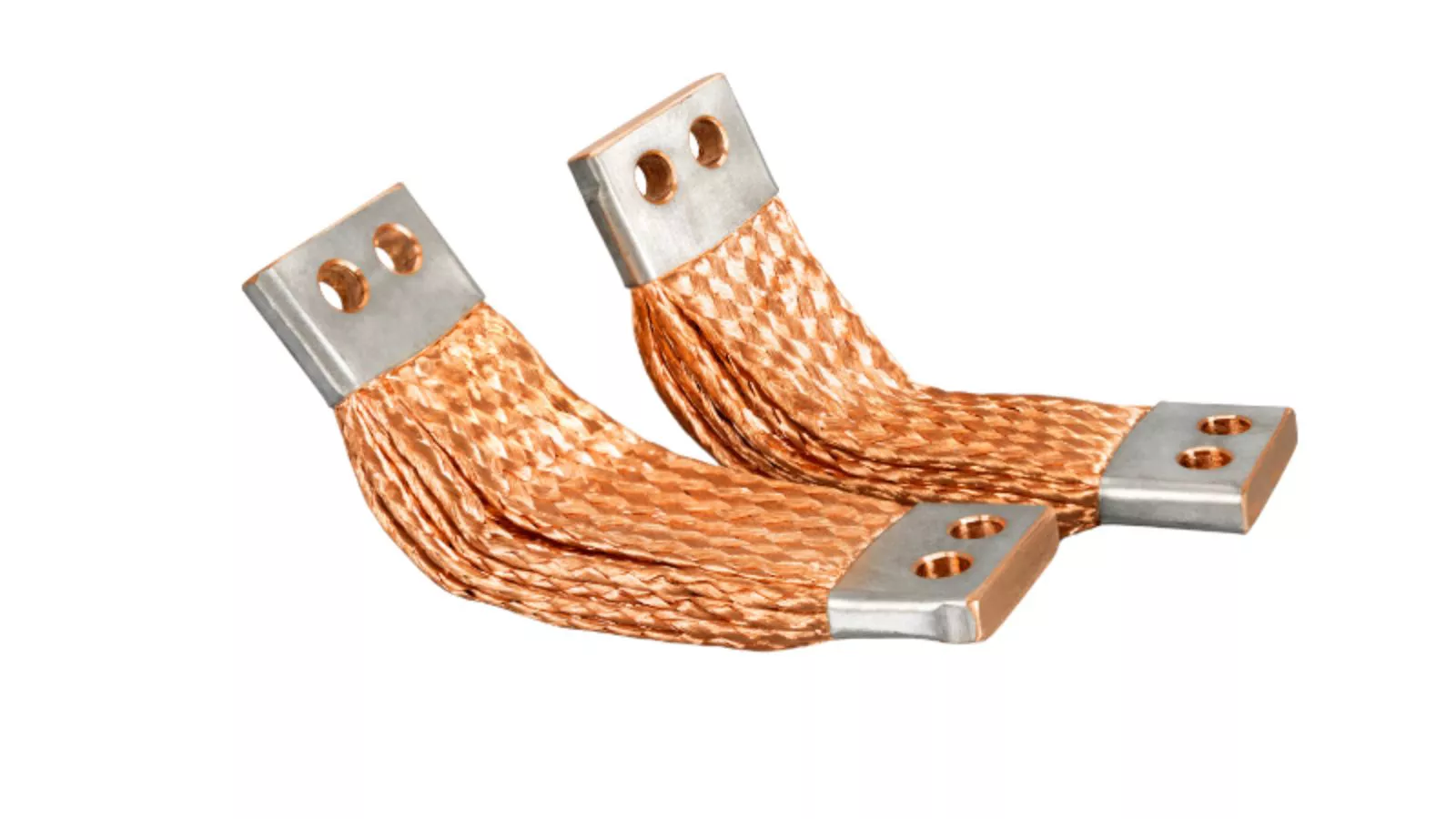
A flexible copper busbar is mainly made of multiple layers of copper foil bonded together. This laminated structure provides excellent electrical conductivity while allowing the busbar to bend and adapt to different installation spaces.
The key feature is the combination of flexibility and high current capacity. Unlike a solid copper bar, a flexible copper busbar can handle movement, vibration, and slight alignment differences between electrical components.
A typical flexible copper busbar includes copper layers, surface treatment, and optional insulation protection. Each part helps improve electrical performance, safety, and service life.
| Structure | Function |
|---|---|
| Copper foil layers | Provide high conductivity and current carrying capability |
| Surface plating | Improves corrosion resistance and contact reliability |
| Insulation layer | Provides electrical protection for safer installation |
For example, in an EV battery pack, connection points between modules may not always be perfectly aligned. A flexible copper busbar can absorb these small differences while maintaining a stable electrical connection.
Flexible copper busbars can be customized based on application requirements, including width, thickness, length, bending shape, and insulation type.
This makes them suitable for compact electrical systems where space is limited and reliable high-current connections are required.
The manufacturing process of a flexible copper busbar focuses on achieving both high electrical conductivity and mechanical flexibility.
Unlike a traditional copper bar, a flexible design requires multiple copper layers to be precisely processed and connected to create a reliable current path.
The typical production process includes:
Precision is important during manufacturing. Small differences in thickness, bonding quality, or surface treatment can affect resistance, heat generation, and long-term reliability.
For example, a flexible copper busbar used in an energy storage system must maintain stable performance during repeated temperature changes and continuous current operation.
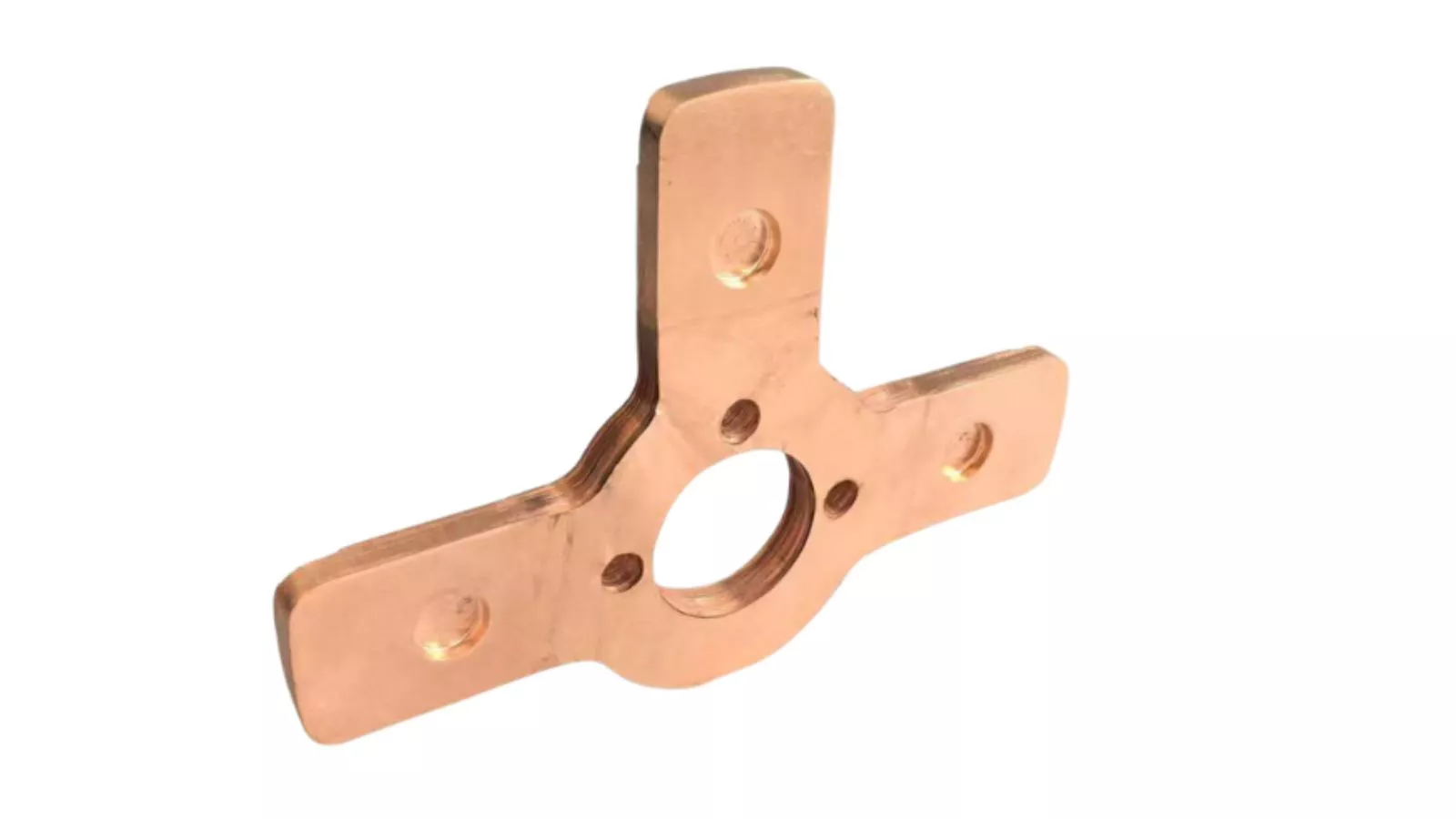
Flexible copper busbars are widely used because they solve common problems found in high-current electrical connections, especially where space and installation flexibility are important.
| Advantage | Benefit |
|---|---|
| High conductivity | Provides efficient current transmission with low electrical resistance |
| Flexibility | Allows easier installation in complex or limited spaces |
| Vibration resistance | Helps maintain reliable connections in moving equipment |
| Space saving | Reduces installation difficulty compared with rigid connections |
In applications such as electric vehicles or battery systems, components may experience vibration and thermal expansion during operation. A flexible copper busbar helps reduce stress on connection points and improves system reliability.
Flexible copper busbars are commonly found in electrical systems that require high current capacity, compact design, and reliable connections.
A typical example is a battery energy storage cabinet. Multiple battery modules need compact and reliable connections. Flexible copper busbars allow engineers to design cleaner layouts while maintaining high current performance.
As electrical equipment becomes smaller and more powerful, flexible copper busbars continue to play an important role in modern power connection solutions.
_1785220173_WNo_1600d900.webp)
Flexible copper busbars and rigid copper busbars both provide reliable current transmission, but they are designed for different installation requirements.
The main difference is flexibility. A rigid copper busbar works well in fixed electrical systems, while a flexible copper busbar is better suited for applications where space, vibration, or alignment challenges exist.
| Comparison | Flexible Copper Busbar | Rigid Copper Busbar |
|---|---|---|
| Flexibility | Can be bent and adjusted during installation | Fixed shape with limited movement |
| Installation space | Suitable for compact and complex layouts | Requires more precise positioning |
| Vibration resistance | Better for dynamic environments | Less suitable for continuous movement |
| Typical applications | Battery systems, EVs, energy storage | Fixed switchgear and power distribution |
For example, inside an electric vehicle battery pack, components may move slightly due to vibration and thermal expansion. A flexible copper busbar can absorb these small movements, while a rigid connection may create additional mechanical stress.
Choosing the right flexible copper busbar requires considering electrical requirements, installation conditions, and operating environment.
The busbar size should match the required current load. Width, thickness, copper layers, and operating temperature all affect current carrying capability.
A larger cross-sectional area usually allows higher current capacity, but the final design should also consider heat dissipation and installation space.
Different environments require different designs. Factors such as vibration, humidity, temperature changes, and available space can influence the choice of materials and protection methods.
For example, an EV battery connection needs different protection compared with an indoor electrical cabinet. The same copper busbar design may not perform equally well in different conditions.
Flexible copper busbars can be customized with different lengths, shapes, terminals, plating options, and insulation solutions to meet specific equipment designs.
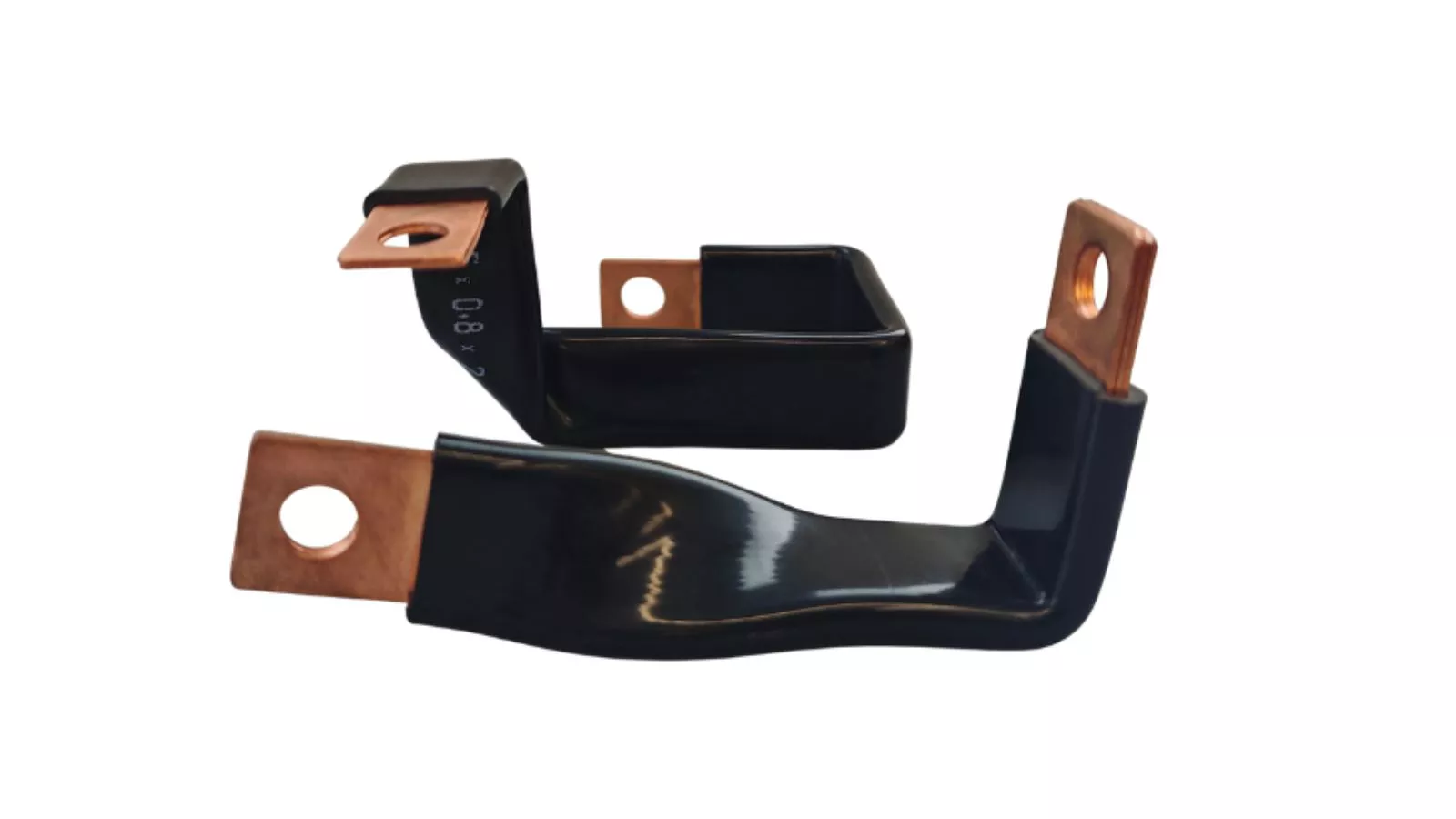
The performance and service life of a flexible copper busbar depend on several key factors, from material quality to operating conditions.
| Factor | Impact on Performance |
|---|---|
| Copper purity | Affects electrical conductivity and resistance |
| Contact quality | Influences connection stability and heat generation |
| Operating temperature | Impacts long-term reliability and material durability |
| Surface treatment | Helps prevent oxidation and improves connection performance |
Proper installation is also important. Excessive bending, incorrect mounting pressure, or poor connection design may reduce the performance of the busbar.
In high-current systems, a well-designed flexible copper busbar helps maintain stable electrical performance while reducing maintenance risks.
The current capacity of a flexible copper busbar depends on several factors, including copper cross-sectional area, layer thickness, operating temperature, installation environment, and cooling conditions.
There is no single current value that applies to every flexible copper busbar. A larger and thicker design can generally carry more current, but the final performance also depends on how heat is generated and dissipated during operation.
| Factor | Effect on Current Capacity |
|---|---|
| Copper thickness and width | Larger conductive area supports higher current flow |
| Number of copper layers | Increases overall conductivity |
| Operating temperature | Higher temperatures may reduce allowable current |
| Installation environment | Airflow and heat dissipation affect performance |
For example, a flexible copper busbar used in an energy storage system may need to carry continuous high current for many hours. Engineers must consider both electrical load and thermal management when selecting the correct specification.
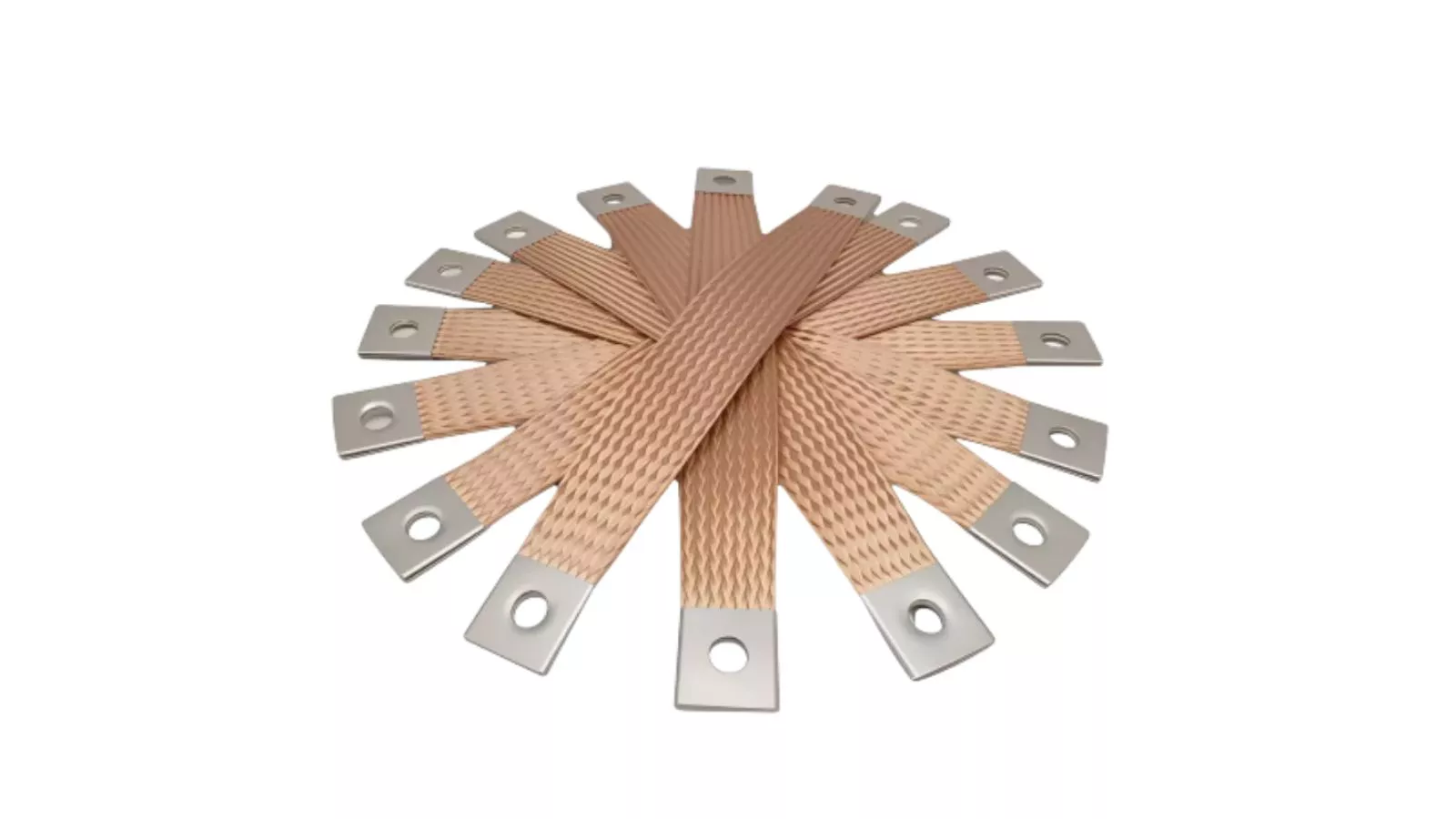
Cables are commonly used for electrical connections, but flexible copper busbars offer advantages in applications that require compact design, high current transmission, and reliable assembly.
| Comparison | Flexible Copper Busbar | Cable |
|---|---|---|
| Space efficiency | Compact structure for limited installation spaces | Requires more bending space |
| Current transmission | Provides stable high-current connection | May require larger cable sizes for similar loads |
| Installation | Easy positioning with customized shapes | More difficult in complex layouts |
| Heat dissipation | Large surface area helps release heat | Heat management depends on cable design |
This makes flexible copper busbars especially suitable for applications where traditional cables are difficult to install or require excessive space.
Choosing the right manufacturer is important because flexible copper busbars directly affect electrical safety, system efficiency, and long-term reliability.
A reliable manufacturer should use high-quality copper materials and have stable production processes for cutting, bonding, plating, and insulation.
Different applications require different designs. A capable supplier should provide customized solutions for dimensions, terminals, bending shapes, and insulation requirements.
For example, battery manufacturers may need hundreds of identical busbars with strict dimensional accuracy. Consistent quality control helps ensure every connection performs the same way during assembly.
When selecting a flexible copper busbar supplier, consider:
A professional manufacturer can help optimize the busbar design according to your equipment requirements, improving both performance and installation efficiency.
Flexible copper busbars are used for high-current electrical connections where space saving, flexibility, and reliable performance are required. Common applications include EV batteries, energy storage systems, switchgear, and industrial equipment.
Flexible busbars are widely used in power distribution systems, battery modules, inverters, transformers, and other electrical equipment that require compact and stable connections.
Copper busbars are mainly available in rigid copper busbars, flexible copper busbars, laminated busbars, and insulated copper busbars. Each type is designed for different electrical and installation requirements.
Yes. Copper can be made flexible by using multiple thin copper layers instead of a single solid bar. This laminated structure allows bending while maintaining excellent electrical conductivity.
Copper busbars offer high electrical conductivity, low resistance, excellent heat dissipation, and long-term reliability, making them suitable for high-power electrical systems.
A busbar works as a conductive pathway that distributes electrical current between different components. Copper busbars transfer power efficiently while reducing wiring complexity and improving system reliability.
Flexible copper busbars provide an efficient solution for modern high-current electrical systems that require reliable connections, compact installation, and mechanical flexibility. From electric vehicles and battery storage systems to industrial power equipment, their laminated copper structure helps improve connection stability and overall system performance.
Choosing the right busbar design requires careful consideration of current requirements, installation conditions, material quality, and customization needs. Working with an experienced manufacturer can help ensure better performance and long-term reliability.
At SHZHJ, we provide customized flexible copper busbar solutions designed for different electrical applications. With professional manufacturing capabilities and experience in copper connection products, we help customers develop reliable solutions based on their specific requirements.
If you are looking for a suitable flexible copper busbar for your project, please contact SHZHJ for technical support and a customized quotation.
*We respect your confidentiality and all information are protected.

This article explores the key differences between silver and copper conductors, focusing on resistance, performance, and real-world applications—understanding these factors is essential for making informed decisions.

This guide explains how flexible copper busbars work, how to select the right one, and why your choice directly impacts system reliability.

In the railway and heavy equipment industry, locomotive contacts are small but critical components that make or break electrical circuits inside contactors, relays, and switches.