
+86-21-37782156
info@shzhj.com
_1782957250_WNo_1600d900.webp)
Flexible copper busbar price is influenced by much more than the daily copper market. Material costs, fabrication processes, dimensions, surface treatment, and order quantity all play a role in the final quotation. This guide is based on industry best practices and practical manufacturing experience, following the E-E-A-T principles to provide accurate, trustworthy, and actionable information.
If you're wondering how much a flexible copper busbar costs per kilogram, the short answer is that there is no universal price. While the copper busbar price per kg is often used as a reference, the final cost depends on customization, processing requirements, and current copper prices. As copper prices continue to fluctuate with global supply and demand, understanding how manufacturers calculate quotations has become increasingly important for:
This guide explains the key factors behind copper busbar pricing, compares price-per-kilogram with finished product costs, and shows how to choose the most cost-effective solution for your application. Read on to make a more informed purchasing decision and request quotations with confidence.
Table of Contents
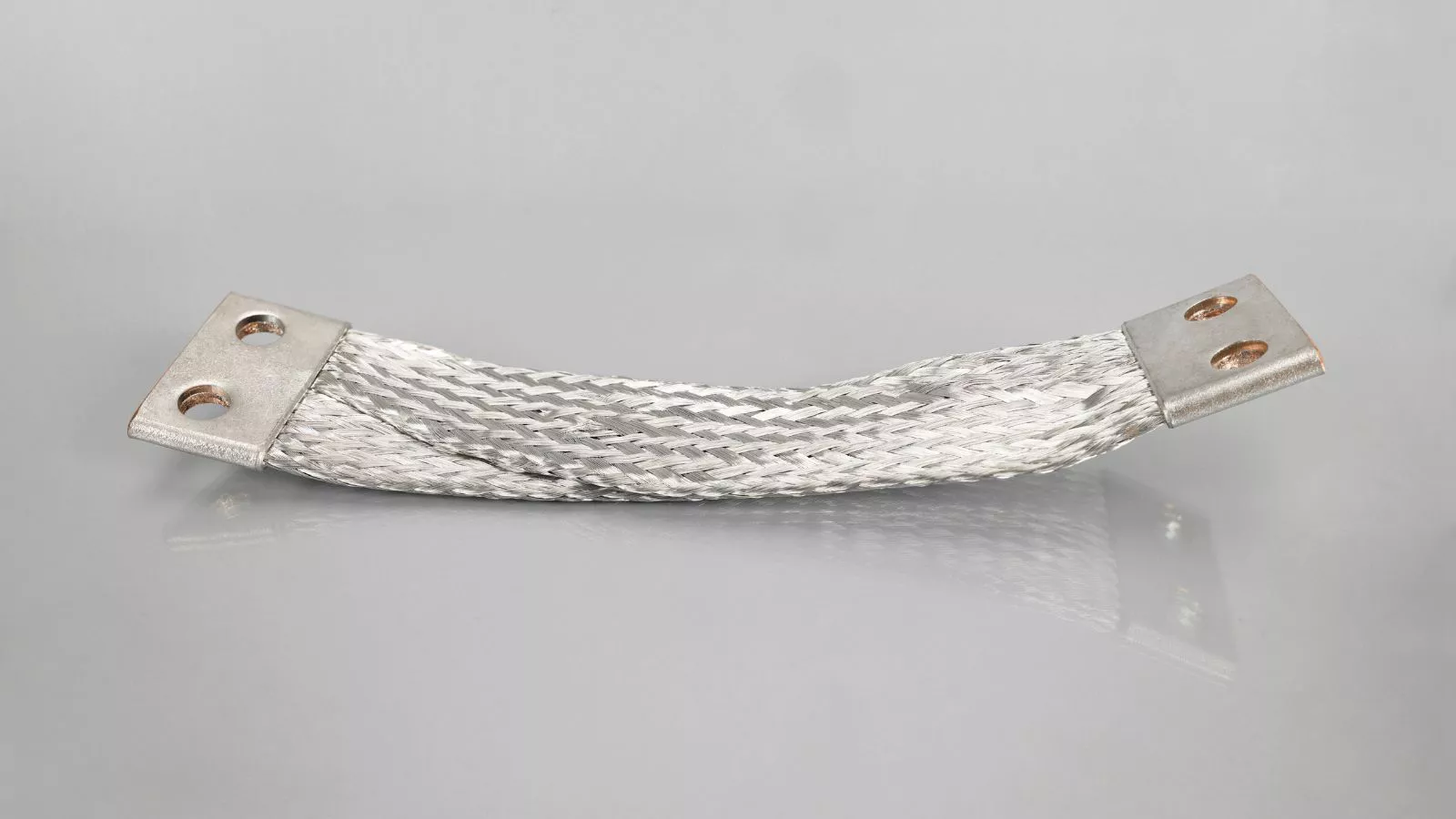
Flexible copper busbar prices can vary widely. One supplier may quote USD 12/kg, while another offers USD 20/kg or more. The difference is not always about profit. It usually comes down to materials, manufacturing, and your project requirements.
Before comparing quotations, it helps to understand what you are actually paying for.
Raw copper is the biggest cost component. In many cases, it accounts for more than half of the final product price.
Because copper is traded globally, market fluctuations directly affect flexible copper busbar prices. When copper prices rise, manufacturers usually need to adjust their quotations.
For example, if two projects require the same busbar design but the copper market increases by 10%, the final quotation may also increase noticeably.
Example: A customer delayed placing an order for three weeks while waiting for prices to fall. Instead, the copper market moved higher, and the final quotation increased by nearly 8%. Timing can make a real difference on large-volume purchases.
More copper means higher cost. Wider, thicker, or longer busbars naturally require more raw material.
Weight is one of the simplest ways manufacturers estimate the base price.
The table below shows how dimensions influence the overall weight.
| Busbar Size | Approximate Weight | Price Impact |
|---|---|---|
| 20 × 2 mm | Low | Lower material cost |
| 30 × 5 mm | Medium | Moderate price |
| 50 × 10 mm | High | Higher material cost |
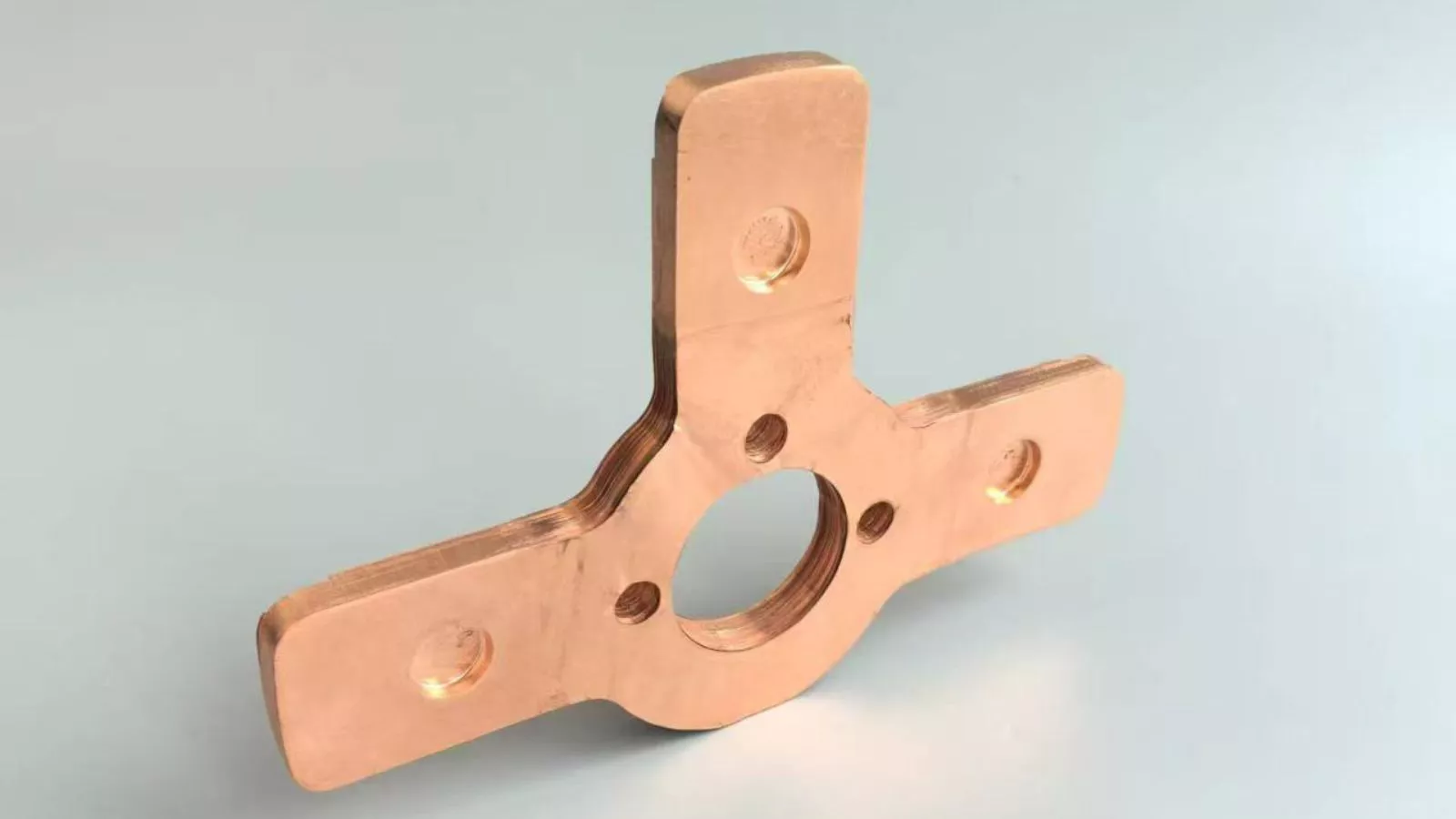
Flexible copper busbars are made from multiple thin copper foils laminated together.
More layers improve flexibility and current-carrying capacity, but they also increase manufacturing complexity.
Imagine bending a thin notebook versus a thick hardcover book. The structure changes how the product performs and how it is manufactured.
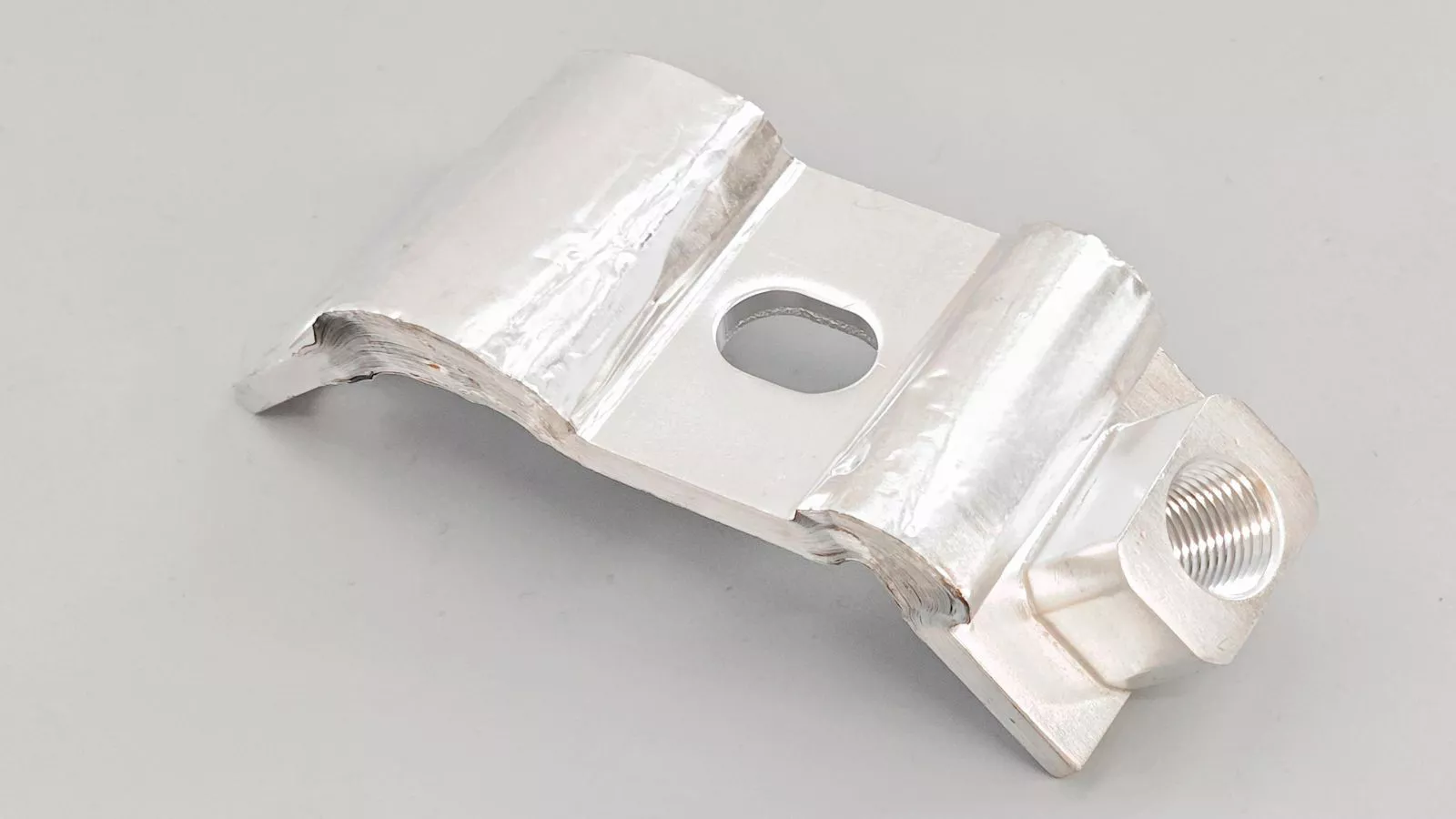
Different finishes can also affect the price.
The most common options include:
Each option offers different levels of corrosion resistance, electrical performance, and service life.
Tip: For humid environments or outdoor electrical equipment, tin-plated flexible copper busbars often provide better long-term value, even if the initial price is slightly higher.
Standard products are usually the most economical.
Custom fabrication adds machining time and production steps.
Common customization includes:
A busbar with ten punched holes and multiple bends will naturally cost more than a straight standard model.
Quantity has a significant impact on unit price. Larger production runs reduce setup costs, improve material utilization, and increase manufacturing efficiency.
The table below shows a typical pricing trend.
| Order Quantity | Typical Unit Price | Production Efficiency |
|---|---|---|
| Prototype (1–10 pcs) | Highest | Low |
| Small Batch | Medium | Moderate |
| Mass Production | Lowest | High |
If your project has long-term demand, discussing annual purchasing plans with the manufacturer may help secure more competitive pricing.
Many buyers expect a simple price list. In reality, manufacturers calculate copper busbar prices using a cost formula rather than a fixed rate.
Understanding this process makes it much easier to compare quotations from different suppliers.
The first part is the copper itself.
Manufacturers usually calculate the required copper weight and multiply it by the current copper market price.
If copper prices increase by just 5%, the total quotation can rise significantly for large projects.
Example: A 500 kg order may cost hundreds of dollars more after a small increase in copper prices. This is why many suppliers only keep quotations valid for 3–7 days.
Raw copper is only one part of the final price.
Fabrication also adds value.
Typical manufacturing processes include:
The more processing steps required, the higher the fabrication cost.
A simple straight busbar is much faster to produce than a custom design with multiple bends and terminals.
Every flexible copper busbar goes through inspection before shipment.
Dimensions, welding quality, electrical conductivity, and appearance are all checked.
Higher-quality standards often require more skilled labor and longer inspection times.
International buyers should also consider logistics.
Export packaging, wooden crates, sea freight, air freight, and insurance all affect the total purchasing cost.
For overseas projects, shipping may account for a noticeable share of the final budget.
The table below summarizes the main pricing components.
| Cost Item | Description | Impact on Price |
|---|---|---|
| Raw Copper | Based on copper market price and weight | Very High |
| Fabrication | Cutting, welding, punching and bending | High |
| Surface Treatment | Tin plating or insulation | Medium |
| Quality Inspection | Testing and final inspection | Medium |
| Packaging & Shipping | Export packing and transportation | Depends on destination |
Looking beyond the copper price alone helps buyers understand where their investment goes.
Many buyers search for copper busbar price per kg to estimate project costs. While there is no universal market price, the table below provides a typical industry reference for flexible copper busbars.
The table below provides a typical market reference for flexible copper busbar pricing.
| Product Type | Typical Price (USD/kg) | Suitable For |
|---|---|---|
| Standard Flexible Copper Busbar | 12–18 | General industrial applications |
| Tin-Plated Flexible Copper Busbar | 15–22 | Humid or corrosive environments |
| Custom Flexible Copper Busbar | 18–30+ | OEM and special equipment |
| Highly Engineered Busbars | 30–40+ | EV, battery packs, renewable energy |
These prices are for reference only and may change with copper market fluctuations and project-specific requirements. The final quotation depends on copper prices, dimensions, fabrication requirements, insulation, and order quantity.
Pricing by kilogram is common for standard copper busbars or bulk material purchases.
It provides a quick way to estimate material costs before detailed drawings are available.
However, manufacturers rarely use only the kilogram price when preparing a formal quotation.
A finished flexible copper busbar is ready for installation.
It has already been processed, inspected, and packaged.
The quotation therefore includes both material and manufacturing costs.
Think of it this way: Buying copper by weight is like buying flour. Buying a finished busbar is like buying a baked cake. The raw material matters, but the craftsmanship adds value.
This is one of the most common questions from buyers.
Weight is only one factor.
Consider these two examples:
Both weigh 2 kg.
Busbar B requires much more manufacturing time, so its selling price is naturally higher.
The comparison below illustrates the difference.
| Comparison | Price Per kg | Finished Product Price |
|---|---|---|
| Includes Raw Copper | ✔ | ✔ |
| Fabrication | ✘ | ✔ |
| Punching & Bending | ✘ | ✔ |
| Surface Treatment | ✘ | ✔ |
| Quality Inspection | ✘ | ✔ |
| Ready for Installation | ✘ | ✔ |
If you are comparing quotations from different suppliers, always compare the complete finished product instead of focusing only on the price per kilogram.
The answer lies in the manufacturing process and performance.
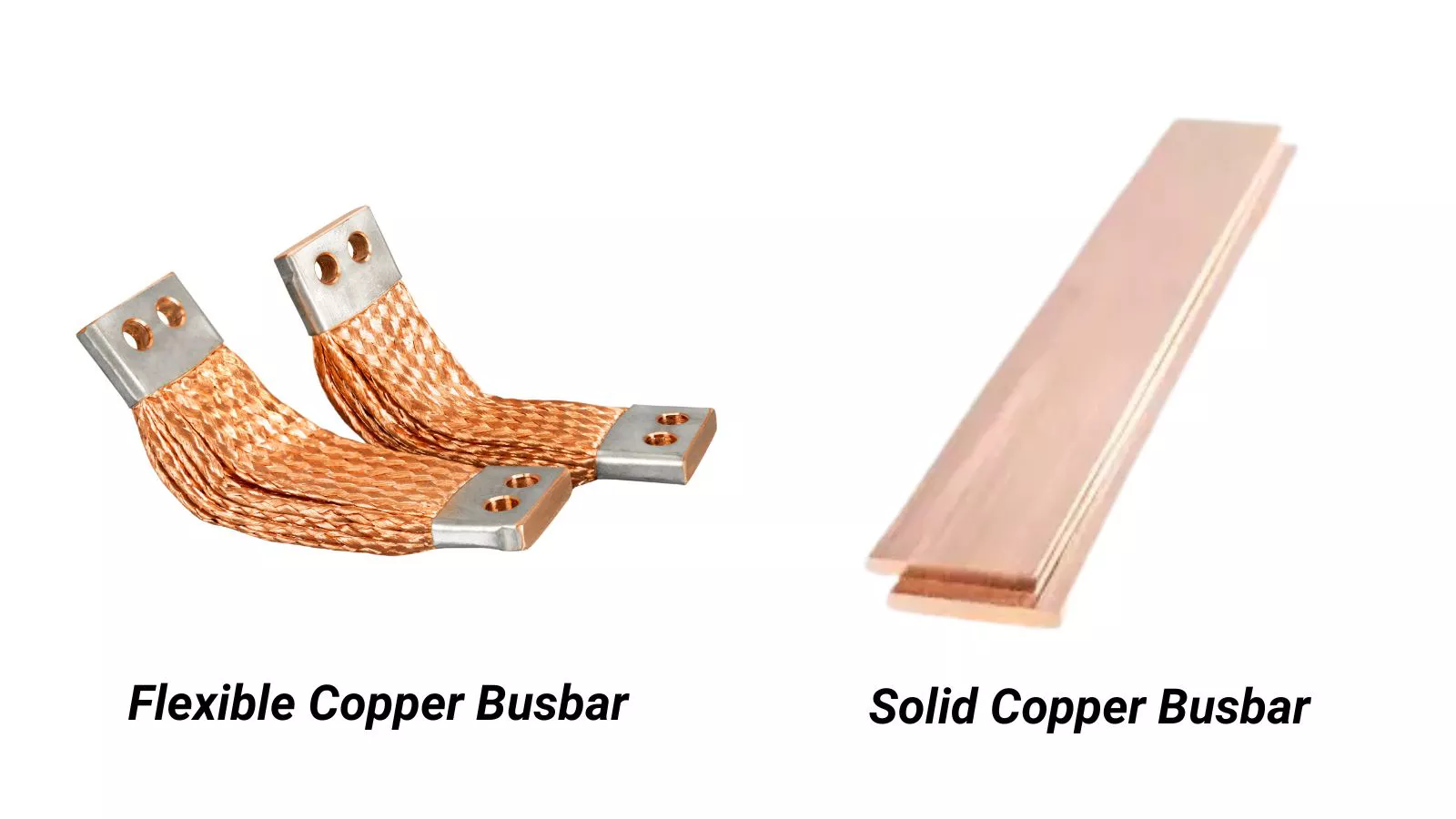
A solid copper busbar is usually cut from a single copper bar. The production process is relatively simple.
A flexible copper busbar is very different. It is made by stacking dozens or even hundreds of thin copper foils. These layers are then welded together under controlled conditions. Each step requires precision.
Example: Imagine making a table from one solid piece of wood. Now imagine carefully stacking and bonding dozens of thin wooden sheets into one flexible panel. The second process naturally takes more time and skill.
The extra manufacturing cost brings practical benefits.
These advantages are especially valuable in battery packs, switchgear, transformers, EV charging systems, and renewable energy equipment.
The product itself may cost more. Installation is often faster.
Flexible busbars can bend to fit the equipment, reducing the need for complicated connectors or additional components.
For many projects, this helps lower the total installation cost.
The comparison below highlights the key differences.
| Item | Flexible Copper Busbar | Solid Copper Busbar |
|---|---|---|
| Manufacturing Process | Multi-layer laminated copper foils | Single copper bar |
| Flexibility | Excellent | Very Limited |
| Vibration Resistance | Excellent | Average |
| Installation | Easier in confined spaces | Requires precise alignment |
| Product Price | Higher | Lower |
| Long-Term Value | Higher for demanding applications | Suitable for simple installations |
Choosing the lower-priced product does not always reduce the total project cost. The right choice depends on your application and operating environment.
Yes. Most industrial buyers choose custom copper busbars instead of standard sizes.
Every electrical system has different installation space, current requirements, and connection points.
Custom fabrication ensures the busbar fits perfectly without unnecessary modifications on site.
Manufacturers can produce busbars according to your drawing or sample.
Common customization options include:
The more details you provide, the more accurate the quotation will be. Most manufacturers will ask for the following information.
The checklist below can help you prepare before requesting a quote.
| Information | Why It Matters |
|---|---|
| Technical Drawing | Determines dimensions and structure |
| Current Rating | Selects the proper conductor size |
| Material Requirement | Bare copper or tin-plated copper |
| Insulation Type | Matches the application environment |
| Order Quantity | Calculates unit pricing |
| Delivery Destination | Estimates shipping cost |
If you do not have a drawing yet, don't worry. Many manufacturers can help develop the design based on your application requirements.
Real-world example: A customer only provided the operating current, terminal spacing, and installation photos. Based on this information, the engineering team prepared a drawing, confirmed the dimensions, and completed sample production within a few days.
Not necessarily. Simple dimensional changes usually have little impact on cost.
More complex designs, additional machining, or special insulation materials may increase the price.
For medium and large production runs, custom copper busbars often deliver better overall value because they reduce installation time and improve assembly efficiency.
There are many places to buy copper busbars. The best choice depends on your order quantity, technical requirements, and delivery schedule.
For OEM projects or bulk orders, buying directly from a manufacturer is usually the most cost-effective option.
Manufacturers can also provide custom fabrication, engineering support, and stable production capacity.
Best for: Switchgear manufacturers, battery pack producers, EV charging equipment, renewable energy projects, and industrial electrical systems.
Distributors often keep standard sizes in stock. Delivery is faster.
However, customization options may be limited, and prices are typically higher because of additional distribution costs.
Many buyers also search for copper bus bars through online marketplaces. This is a convenient way to compare suppliers and request multiple quotations.
Before placing an order, always verify:
The comparison below can help you choose the right purchasing channel.
| Purchase Channel | Price | Customization | Lead Time |
|---|---|---|---|
| Manufacturer | ★★★★★ | Excellent | Medium |
| Distributor | ★★★☆☆ | Limited | Fast |
| Online Marketplace | Varies | Depends on Supplier | Varies |
Price is important, but supplier capability is equally important. A reliable manufacturer can help reduce installation problems, production delays, and future maintenance costs.
The lowest quotation is not always the best deal. Experienced buyers focus on total value instead of price alone.
The more details you provide, the more accurate the quotation will be.
Useful information includes:
Clear information reduces unnecessary revisions and shortens quotation time.
Production setup costs are shared across every unit. As order quantity increases, the unit price usually decreases.
Example: Ordering 1,000 busbars in one production run is often much more economical than placing ten separate orders of 100 pieces each.
Bigger is not always better. Selecting the correct conductor size based on the actual current requirement can reduce unnecessary material costs.
An experienced manufacturer can recommend the most suitable solution.
When evaluating quotations, consider the complete package. The table below shows what should be compared.
| Comparison Item | Why It Matters |
|---|---|
| Material Grade | Determines electrical performance |
| Fabrication Quality | Affects service life |
| Surface Treatment | Improves corrosion resistance |
| Lead Time | Keeps your project on schedule |
| Engineering Support | Helps solve design issues |
| Warranty & After-sales Service | Reduces long-term risk |
A quotation that is 5% lower may become much more expensive if quality issues delay your project.
A professional supplier does more than manufacture products. They can optimize designs, improve manufacturability, and reduce production costs before mass production begins.
Good suppliers don't simply offer lower prices. They help customers achieve a lower total project cost through better design, stable quality, and efficient production.
The cost depends on copper prices, dimensions, fabrication requirements, surface treatment, and order quantity. Standard busbars are often priced by weight, while custom flexible copper busbars are quoted as finished products.
Flexible copper busbars are widely used in battery packs, switchgear, transformers, EV charging systems, renewable energy equipment, and industrial electrical cabinets. They absorb vibration and compensate for thermal expansion.
Raw copper is the largest cost factor. Custom fabrication, welding, punching, insulation, quality inspection, and fluctuating copper prices also contribute to the final price.
Busbar size is determined by the required current, operating temperature, installation space, voltage, and application environment. Manufacturers can recommend the appropriate dimensions based on your project requirements.
Busbars usually have a higher initial cost than cables and require accurate design during installation. However, they often provide better conductivity, reliability, and lower maintenance over the long term.
Choosing the right flexible copper busbar is about more than comparing prices. The final cost depends on factors such as copper material prices, fabrication complexity, dimensions, surface treatment, and order quantity. Understanding how suppliers calculate quotations allows you to make better purchasing decisions and avoid unexpected costs.
If your project requires a custom solution, working directly with an experienced manufacturer can help you achieve the right balance between performance, quality, and budget. At SHZHJ, we specialize in custom flexible copper busbars, copper busbar fabrication, and precision electrical connection solutions for customers worldwide. Whether you need prototypes or large-volume production, our engineering team is ready to support your project with professional advice and competitive pricing.
Ready to get an accurate quotation? Visit SHZHJ or send us your drawings and technical requirements today. We'll provide a fast response, expert recommendations, and a tailored solution designed to meet your specific application.
*We respect your confidentiality and all information are protected.

This article explores the key differences between silver and copper conductors, focusing on resistance, performance, and real-world applications—understanding these factors is essential for making informed decisions.

This guide explains how flexible copper busbars work, how to select the right one, and why your choice directly impacts system reliability.

In the railway and heavy equipment industry, locomotive contacts are small but critical components that make or break electrical circuits inside contactors, relays, and switches.