
+86-21-37782156
info@shzhj.com

Copper shunt solutions are becoming increasingly important as industries move toward higher-power electrical systems, especially in electric vehicles, energy storage, and industrial equipment. With growing demand for reliable current connections, flexible copper shunts provide a practical way to improve electrical performance while reducing mechanical stress.
This guide explains what a copper shunt is, how it works, and how to choose the right flexible copper shunt for different applications. As battery systems become more compact and power requirements continue to increase, engineers and buyers need connection solutions that offer low resistance, high conductivity, and long-term reliability.
This article covers the structure, types, applications, and selection factors of copper shunts, helping you understand why choosing the right design is critical for system performance. Continue reading to find the most suitable copper shunt solution for your project.
Table of Contents
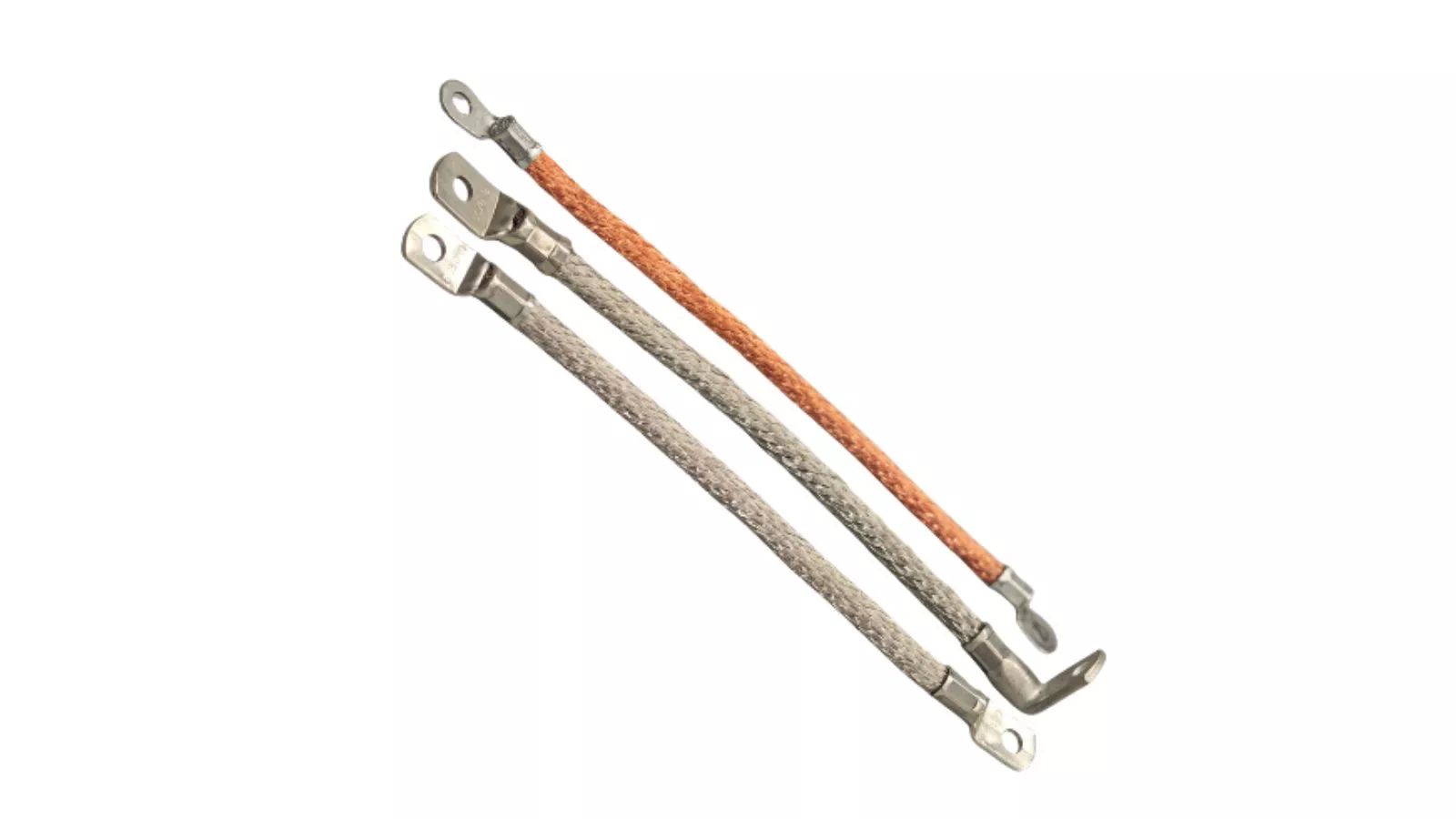
A copper shunt is a flexible electrical connector designed to carry high current between two points while allowing movement, vibration absorption, and thermal expansion.
Unlike a rigid copper bar, a copper shunt can bend slightly during operation. This makes it especially useful in battery systems, power equipment, and high-current electrical connections.
Imagine an electric vehicle battery pack. Inside the battery module, dozens or even hundreds of cells generate large amounts of current. A rigid connection may experience stress when the vehicle vibrates or when the temperature changes. A flexible copper shunt works like a small "bridge" that keeps the current flowing while absorbing mechanical stress.
A copper shunt transfers electrical current through multiple layers of high-conductivity copper. Copper is widely used because it offers excellent electrical conductivity and low resistance.
During operation, current passes through the copper layers with minimal energy loss. At the same time, the flexible structure helps reduce stress caused by movement, vibration, and expansion.
| Feature | How It Works | Benefit |
|---|---|---|
| High copper conductivity | Allows efficient current flow | Reduces power loss and heat generation |
| Flexible copper layers | Absorbs movement and vibration | Improves connection reliability |
| Compact structure | Fits into limited installation spaces | Makes system design easier |
This combination of electrical performance and mechanical flexibility makes copper shunts different from ordinary rigid conductors.
A typical copper shunt consists of several key parts. The exact design depends on the application, current requirement, and installation environment.
For example, a flexible copper shunt used in an energy storage system may contain stacked copper foils, welded contact areas, and optional plating on the connection ends. The result is a lightweight connector that can handle high current while fitting into tight spaces.
| Component | Description |
|---|---|
| Copper foil layers | Provide the main current-carrying path |
| Terminal ends | Connect the shunt to electrical components |
| Welded or brazed joints | Ensure strong electrical and mechanical connections |
| Optional surface plating | Improves corrosion resistance and contact performance |
Different manufacturing methods create different types of copper shunts, including laminated shunts and braided copper shunts, which are designed for different working conditions.
High-current systems generate heat and mechanical stress. A connection component must handle both electrical and physical challenges.
Copper shunts are commonly selected because they provide:
For example, in a battery storage cabinet installed in a factory, equipment may run continuously for years. Small movements caused by vibration or temperature changes can weaken rigid connections over time. A flexible copper shunt helps maintain a stable connection and reduces the risk of failure.
Copper shunts are available in different structures depending on flexibility requirements, current capacity, installation conditions, and operating environments.
The most common designs include flexible copper shunts, laminated shunts, and braided copper shunts. Each type is designed for specific electrical and mechanical requirements.
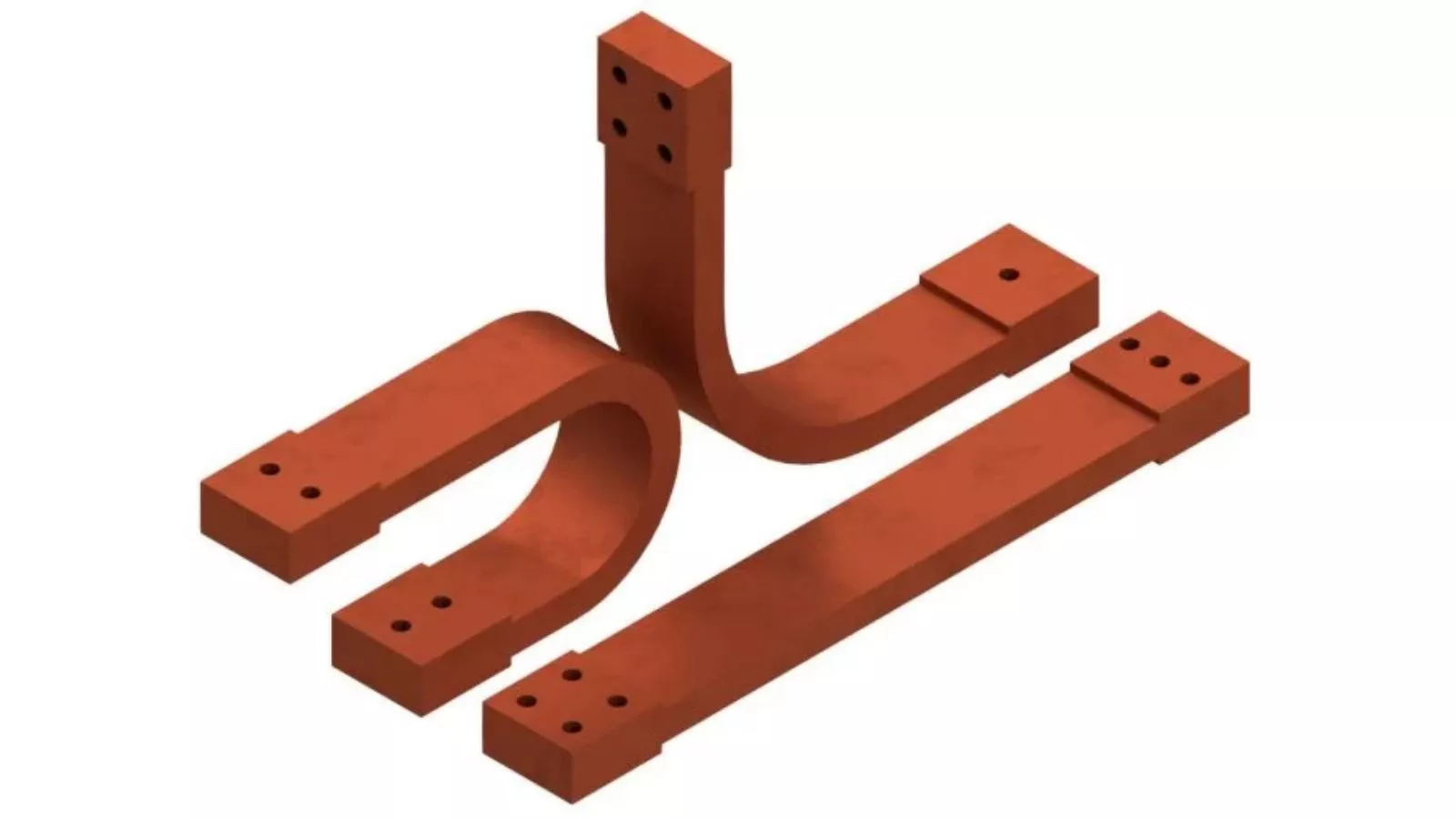
A flexible copper shunt is made from multiple layers of thin copper foils bonded together to create a highly flexible current connection.
Unlike rigid copper connectors, it can absorb vibration, movement, and thermal expansion. This makes it a reliable choice for applications where electrical components experience mechanical stress.
Example: In an electric vehicle battery pack, hundreds of battery cells generate heat during operation. As temperatures change, small movements occur inside the module. A flexible copper shunt works like a flexible bridge, maintaining stable current flow while allowing slight movement.
| Feature | Advantage |
|---|---|
| Multi-layer copper foil structure | Provides excellent electrical conductivity |
| Flexible design | Absorbs vibration and mechanical stress |
| Custom shapes and sizes | Fits different installation requirements |
Flexible copper shunts are widely used in EV batteries, energy storage systems, and power electronics where reliable and flexible connections are required.
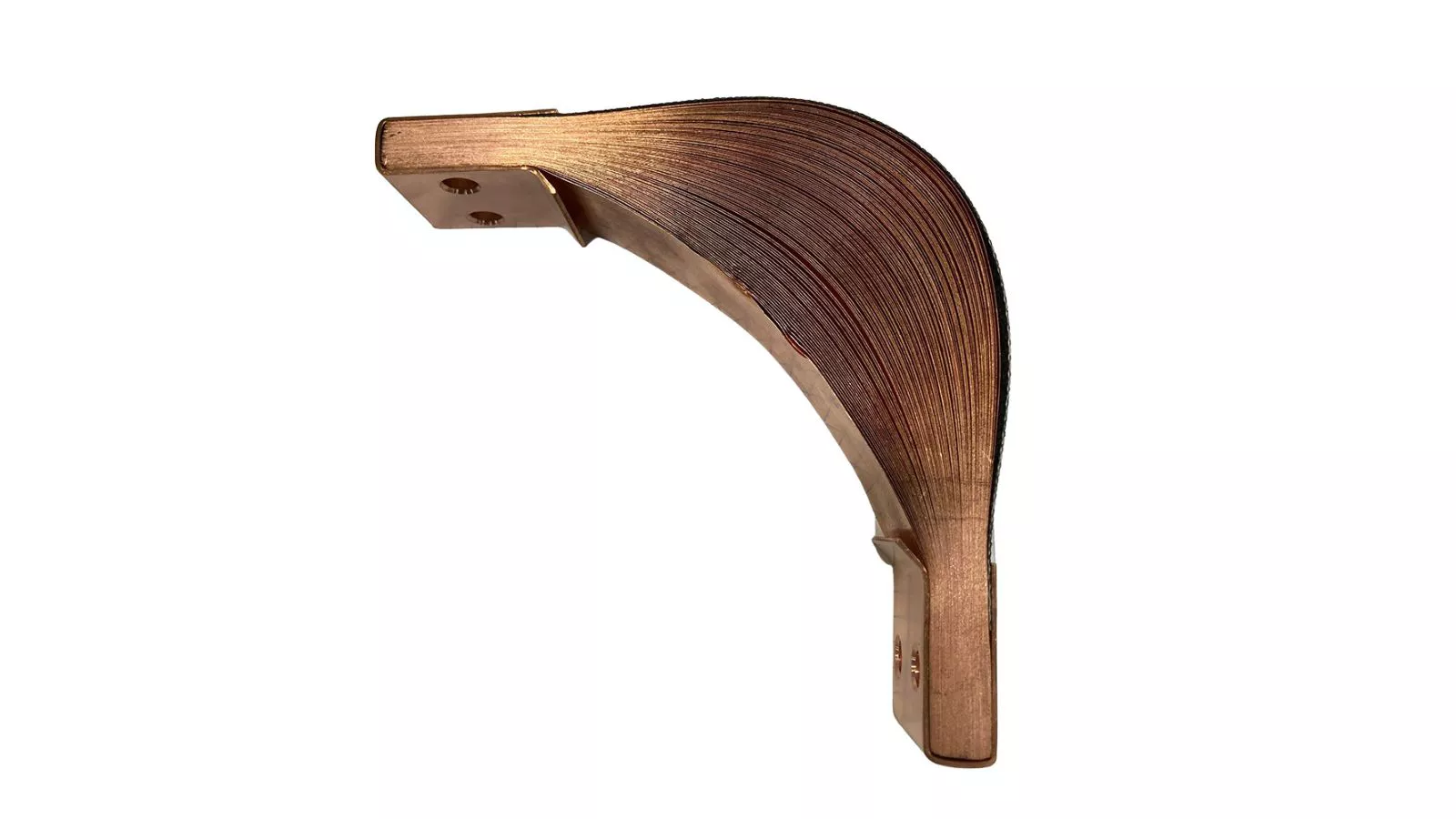
A laminated shunt is manufactured by stacking multiple copper layers and joining them into a compact current-carrying component.
This structure provides stable electrical performance and is suitable for applications requiring high current capacity in limited spaces.
Example: In a large energy storage cabinet, many battery modules need compact and reliable connections. A laminated shunt helps engineers save installation space while maintaining efficient current transmission.
| Feature | Application Benefit |
|---|---|
| Layered copper construction | Supports high current applications |
| Compact structure | Suitable for space-limited designs |
| Stable connection performance | Improves system reliability |
Laminated shunts are commonly found in battery systems, power distribution equipment, and industrial electrical applications.
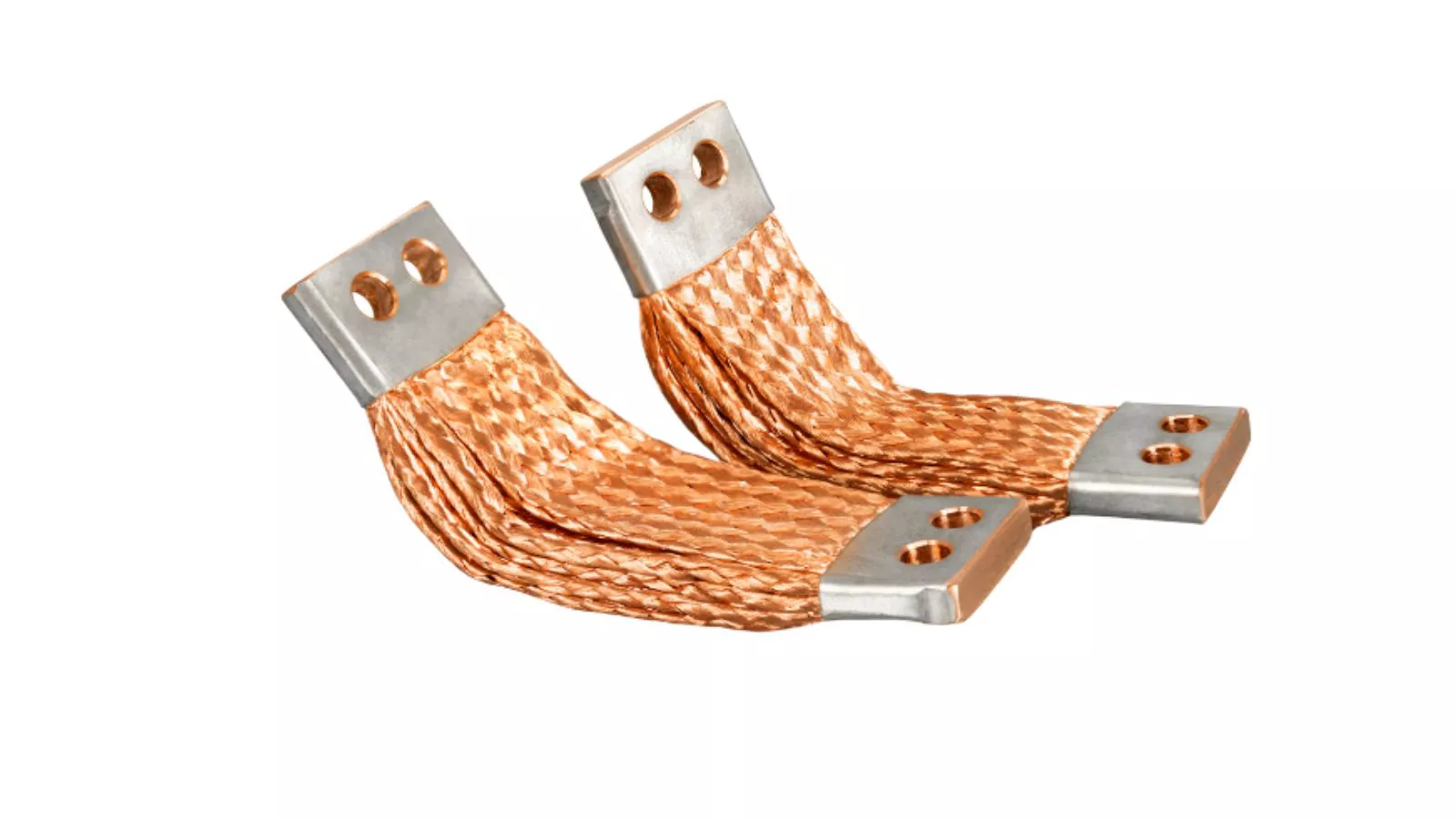
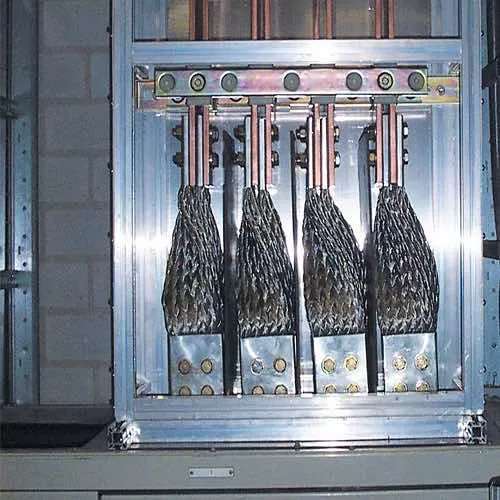
A braided copper shunt uses woven copper strands to create a highly flexible electrical connection.
The braided structure allows greater movement compared with solid copper components, making it suitable for dynamic environments with vibration or repeated movement.
Example: In welding machines, electrical connections may move frequently during operation. A braided copper shunt can flex repeatedly while maintaining a stable connection between components.
| Feature | Benefit |
|---|---|
| Braided copper strands | Provides high flexibility |
| Lightweight structure | Easy to install |
| Good vibration resistance | Suitable for moving applications |
Braided copper shunts, also known as braided shunts, are often selected for applications requiring frequent movement and excellent flexibility.
_1784599373_WNo_1600d900.webp)
Copper shunts are used in many industries where reliable current transmission, flexible connections, and long-term stability are required.
Different designs serve different purposes. Flexible copper shunts are often selected for applications with vibration or movement, while laminated shunts and braided copper shunts are chosen based on space, current requirements, and mechanical conditions.
Battery systems are one of the most common applications for copper shunts. Modern EV batteries require compact connections that can handle high current while dealing with vibration and temperature changes.
Example: Inside an electric vehicle battery pack, hundreds of cells work together to deliver power. During acceleration, charging, and braking, the current changes quickly and the battery temperature rises. A flexible copper shunt helps maintain a stable connection between battery modules without adding unnecessary mechanical stress.
In these applications, low resistance and reliable electrical contact are critical because continuous high current can generate significant heat.
Power electronic equipment often requires compact and reliable current connections. Copper shunts help connect components where rigid copper bars may create installation challenges.
| Application | Why Copper Shunts Are Used |
|---|---|
| Switchgear | Provides reliable high-current connections |
| Power converters | Handles electrical load changes and vibration |
| Transformers | Compensates for thermal expansion |
| Industrial control equipment | Fits limited installation spaces |
For example, inside a power cabinet, components may expand slightly when operating temperatures increase. A flexible copper shunt can absorb these small movements and help protect the connection points.
Some industrial equipment experiences continuous vibration or movement during operation. In these situations, a rigid connection may experience fatigue over time.
Braided copper shunts and flexible copper shunts are commonly used because they can withstand repeated movement while maintaining electrical performance.
Example: In welding equipment, the connection point may move thousands of times during daily operation. A braided copper shunt provides the flexibility needed for frequent movement while keeping current transmission stable.
Flexible copper shunts provide both electrical and mechanical advantages compared with traditional rigid connectors.
Their unique structure allows them to solve common problems in high-current systems, such as vibration, limited installation space, and thermal expansion.
Copper is one of the most widely used electrical conductors because of its excellent conductivity.
A copper shunt provides an efficient path for current flow, helping reduce energy loss and heat generation during operation.
Unlike solid copper connectors, flexible copper shunts can bend and move slightly without damaging the electrical connection.
This makes them suitable for environments with vibration, mechanical movement, or frequent temperature changes.
A simple example is a battery system installed in a vehicle. The vehicle constantly experiences road vibration. A flexible copper shunt helps protect the connection by absorbing small movements instead of transferring all stress to the terminals.
Modern electrical equipment is becoming smaller and more compact. Standard rigid connectors are not always suitable for complex layouts.
Copper shunts can be customized in different lengths, widths, thicknesses, terminal shapes, and plating options to match specific designs.
| Advantage | Value for Applications |
|---|---|
| High conductivity | Efficient current transmission |
| Flexible structure | Handles vibration and movement |
| Compact design | Fits complex installation spaces |
| Customization options | Meets different engineering requirements |
Selecting the right copper shunt requires considering both electrical performance and mechanical requirements.
The best choice depends on factors such as current rating, installation environment, flexibility requirements, and connection design.
The first step is determining how much current the copper shunt needs to carry.
Higher current applications usually require larger conductor areas or specially designed copper structures to control heat generation.
| Requirement | Selection Consideration |
|---|---|
| High current load | Choose suitable copper thickness and width |
| Continuous operation | Consider heat dissipation capability |
| Short-term high current | Evaluate peak current requirements |
The working environment determines which type of copper shunt is suitable.
Before ordering a copper shunt, engineers usually need to confirm several specifications:
Example: A battery manufacturer may need a copper shunt that fits between two battery modules with limited space. Providing exact dimensions and current requirements allows the manufacturer to design a suitable solution instead of using a standard product that may not fit.
Choosing the right copper shunt is not only about electrical capacity. A suitable design should also provide reliable mechanical performance throughout the product lifetime.
Copper shunts are not the only solution for electrical connections. Depending on the application, engineers may also consider copper busbars, copper cables, or other copper connectors.
The main difference is that copper shunts are designed to provide both electrical conductivity and mechanical flexibility.
| Connection Solution | Main Feature | Typical Applications |
|---|---|---|
| Copper Shunt | Flexible current connection with vibration resistance | Battery systems, EVs, power equipment |
| Copper Busbar | Rigid high-current conductor | Power distribution cabinets, switchgear |
| Copper Cable | Flexible insulated conductor | General electrical wiring |
Each solution has its own advantages. The right choice depends on the mechanical environment, installation requirements, and electrical performance needed.
Copper busbars are widely used for fixed electrical connections because they can carry large amounts of current with a simple and rigid structure.
However, rigid copper busbars cannot easily absorb vibration or movement. When equipment experiences thermal expansion or mechanical stress, connection points may be affected over time.
Example: A battery cabinet installed in a factory may experience daily temperature changes. A rigid busbar provides strong current transmission, but a flexible copper shunt can better handle small movements between connected components.
Copper cables provide flexibility and are commonly used for electrical wiring. However, they may require additional insulation and larger bending space.
Copper shunts offer a more compact connection design, especially in applications where high current, low resistance, and limited installation space are important.
| Factor | Copper Shunt | Copper Cable |
|---|---|---|
| Flexibility | High flexibility for short connections | Flexible for routing over longer distances |
| Installation space | Compact design | Requires more routing space |
| High-current connection | Suitable for direct connections | Depends on cable size and structure |
For compact high-current systems, copper shunts are often a better choice because they combine the advantages of copper conductivity and flexible mechanical performance.
Choosing a copper shunt supplier is not only about finding a product with the correct dimensions. The manufacturing process, material quality, and customization capability also affect long-term performance.
A reliable copper shunt should match both the electrical requirements and the actual working environment.
Before purchasing a copper shunt, the first step is defining the electrical parameters.
For example, a copper shunt used in an EV battery system may require different specifications from one used in industrial power equipment because the operating conditions are completely different.
The performance of a copper shunt depends heavily on material selection and manufacturing technology.
| Item | Why It Matters |
|---|---|
| Copper purity | Affects electrical conductivity |
| Welding or brazing process | Influences connection strength |
| Surface treatment | Improves corrosion resistance |
| Quality inspection | Ensures consistent performance |
Many applications require customized copper shunts because standard sizes cannot always meet specific design requirements.
A professional manufacturer should be able to provide customized solutions based on:
Example: A battery system designer may need a copper shunt that fits into a narrow space between modules. A customized design can optimize the shape, improve installation efficiency, and avoid unnecessary modifications to the entire system.
A reliable supplier should provide more than just copper components. They should understand electrical requirements, manufacturing processes, and application challenges.
Important factors include:
Working with the right manufacturer helps ensure that the copper shunt performs reliably throughout the entire service life of the equipment.
A copper shunt is a low-resistance electrical connector made from copper layers or strands. It is designed to transfer high current while providing flexibility and vibration resistance.
The main purpose of a shunt is to provide a controlled path for electrical current. In power connections, a copper shunt helps maintain stable current flow between components.
A shunt is a component that creates an alternative path for current flow. In electrical connections, it allows current to move safely and efficiently between two points.
Common electrical shunt types include copper shunts, laminated shunts, braided shunts, and flexible copper shunts. Different designs are selected based on current capacity, flexibility, and application requirements.
An electrical shunt works by providing a low-resistance path for current. Copper shunts use highly conductive copper materials to transfer electrical energy with minimal loss.
A shunt is usually installed between two electrical connection points. The exact wiring method depends on the system design, current requirements, and the type of equipment being connected.
Copper shunts play an important role in modern electrical systems where reliable current transmission, compact design, and mechanical flexibility are required. From EV battery packs and energy storage systems to industrial power equipment, choosing the right shunt design can improve connection stability and long-term performance.
Whether you need a flexible copper shunt, laminated shunt, or braided copper shunt, the right solution depends on your current requirements, installation environment, and product specifications.
SHZHJ specializes in customized copper connection solutions, including flexible copper shunts and other high-current electrical connectors. With professional manufacturing experience and customization capabilities, we help customers develop reliable solutions for different applications.
If you are looking for a suitable copper shunt for your project, contact SHZHJ for technical support and a customized quotation.
*We respect your confidentiality and all information are protected.

This article explores the key differences between silver and copper conductors, focusing on resistance, performance, and real-world applications—understanding these factors is essential for making informed decisions.

This guide explains how flexible copper busbars work, how to select the right one, and why your choice directly impacts system reliability.

In the railway and heavy equipment industry, locomotive contacts are small but critical components that make or break electrical circuits inside contactors, relays, and switches.