
+86-21-37782156
info@shzhj.com
_1785143305_WNo_1600d900.webp)
Electro motive diesel locomotives have played a major role in shaping modern railway transportation. From heavy freight operations to industrial rail systems, EMD technology has helped railroads achieve greater efficiency, reliability, and long-distance performance.
This article explains how Electro-Motive Diesel (EMD) developed from an engineering company into a global locomotive leader, what made its diesel-electric technology successful, and why its locomotives remain influential today. It is especially useful for:
Electro-Motive Diesel represents a combination of engineering innovation, powerful diesel engines, and proven locomotive design. Understanding its history and technology helps readers make better decisions when selecting railway solutions, so continue reading to explore the evolution and lasting legacy of EMD.
Table of Contents
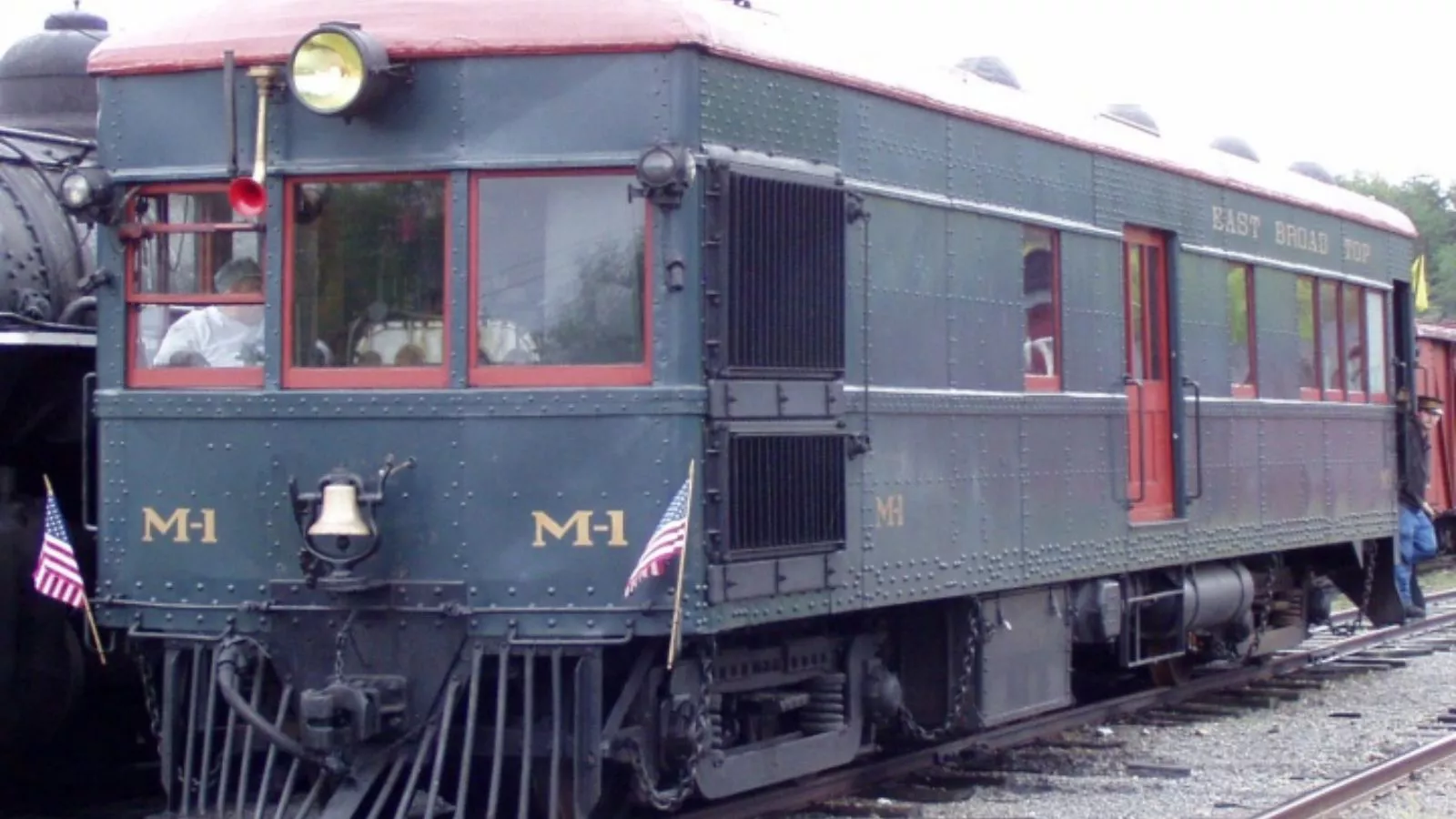
Electro-Motive Diesel (EMD) is one of the most recognized names in the diesel-electric locomotive industry. The company played a major role in replacing steam locomotives with modern diesel power and shaped the development of freight rail transportation worldwide.
EMD became known for producing reliable, high-performance locomotives designed for heavy-duty railway operations. Its products have been used by major railroads for freight transportation, industrial applications, and long-distance hauling.
A typical EMD locomotive combines a large diesel engine, electrical generation system, and traction motors. Instead of mechanically driving the wheels directly, the diesel engine produces electricity that powers the locomotive’s motors, providing strong pulling capability and smoother operation.
The name Electro-Motive Diesel reflects the company’s core technology: combining diesel engines with electrical propulsion systems.
| Term | Explanation |
|---|---|
| Electro-Motive | Represents the use of electrical systems for locomotive movement. |
| Diesel | Refers to the diesel engine used as the main power source. |
| Diesel-electric locomotive | A locomotive that uses electricity generated by a diesel engine to drive traction motors. |
This diesel-electric design became a breakthrough for railway transportation. It offered better efficiency, easier maintenance, and improved reliability compared with traditional steam locomotives.
EMD’s importance comes from its contribution to the dieselization of railroads during the 20th century.
Before diesel technology became widespread, steam locomotives required frequent refueling, large maintenance facilities, and extensive operational support. EMD diesel locomotives provided rail operators with a more flexible and economical solution.
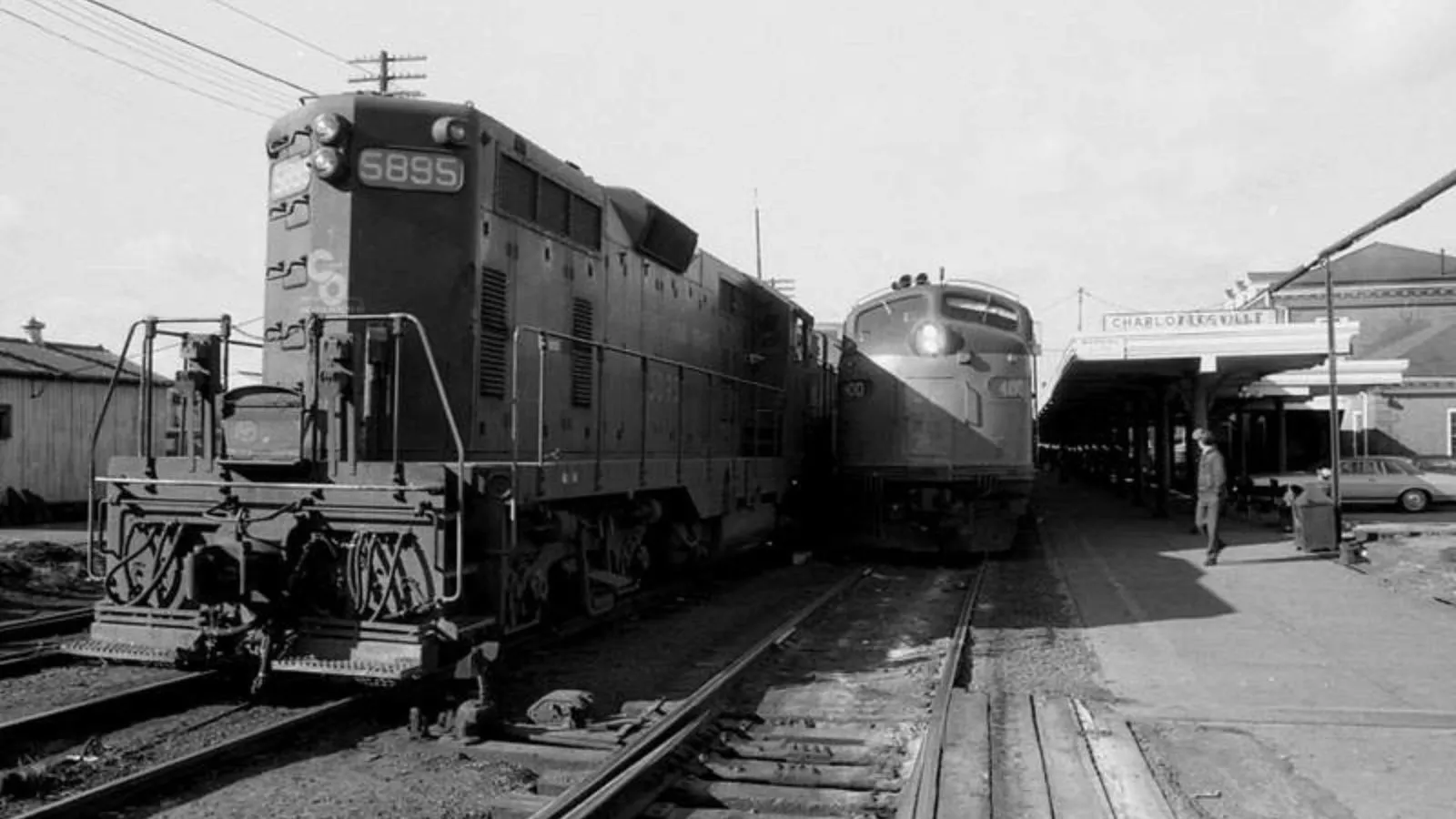
The EMD F-series locomotives were among the models that demonstrated the advantages of diesel power. Their streamlined design and reliable performance helped many railroads move toward diesel operations.
Later, locomotive families such as the EMD GP series and SD series became widely used in freight service. These models were valued for durability, high tractive effort, and the ability to operate in demanding environments.
EMD diesel locomotives remain important because they are designed for heavy-duty applications where reliability and power are critical.
| Application | Typical Use |
|---|---|
| Freight transportation | Moving heavy cargo such as coal, grain, containers, and industrial materials. |
| Mining operations | Providing power for transporting large mineral loads. |
| Industrial rail systems | Supporting ports, factories, and logistics facilities. |
From early Electro-Motive companies to today’s EMD-related locomotive technologies, the brand has maintained a strong influence on railway engineering.
The history of EMD is not only about locomotives. It represents the development of diesel-electric technology and its lasting impact on global rail transportation.
The history of Electro-Motive began with a focus on improving transportation through electrical technology. Over several decades, the company evolved from a small engineering organization into one of the world’s leading locomotive manufacturers.
Electro-Motive was founded in the 1920s when engineers were exploring new ways to improve railway efficiency. At that time, steam locomotives dominated rail transportation, but they required extensive maintenance and operating resources.
The company initially developed electric-powered railway equipment and small internal combustion rail vehicles. These early projects created the foundation for future diesel-electric locomotive technology.
In the 1930s, Electro-Motive Corporation (EMC) focused on developing practical diesel-electric locomotives.
One important milestone was the development of diesel-powered passenger locomotives for major railroads. These locomotives demonstrated that diesel power could provide reliable performance with less operational complexity than steam engines.
The success of EMC attracted attention from the railway industry and eventually led to its integration into General Motors. The company became known as the Electro-Motive Division (EMD), combining locomotive engineering with large-scale manufacturing capabilities.
After becoming part of General Motors, EMD expanded its locomotive production and introduced several highly successful models.
| Period | Development |
|---|---|
| 1930s-1940s | Diesel locomotives began replacing steam power in many railway operations. |
| 1950s-1970s | EMD became a major supplier of freight locomotives worldwide. |
| 1980s-present | EMD continued developing advanced diesel-electric locomotive technology. |
Through continuous engineering improvements, EMD established itself as a key name in global locomotive manufacturing.
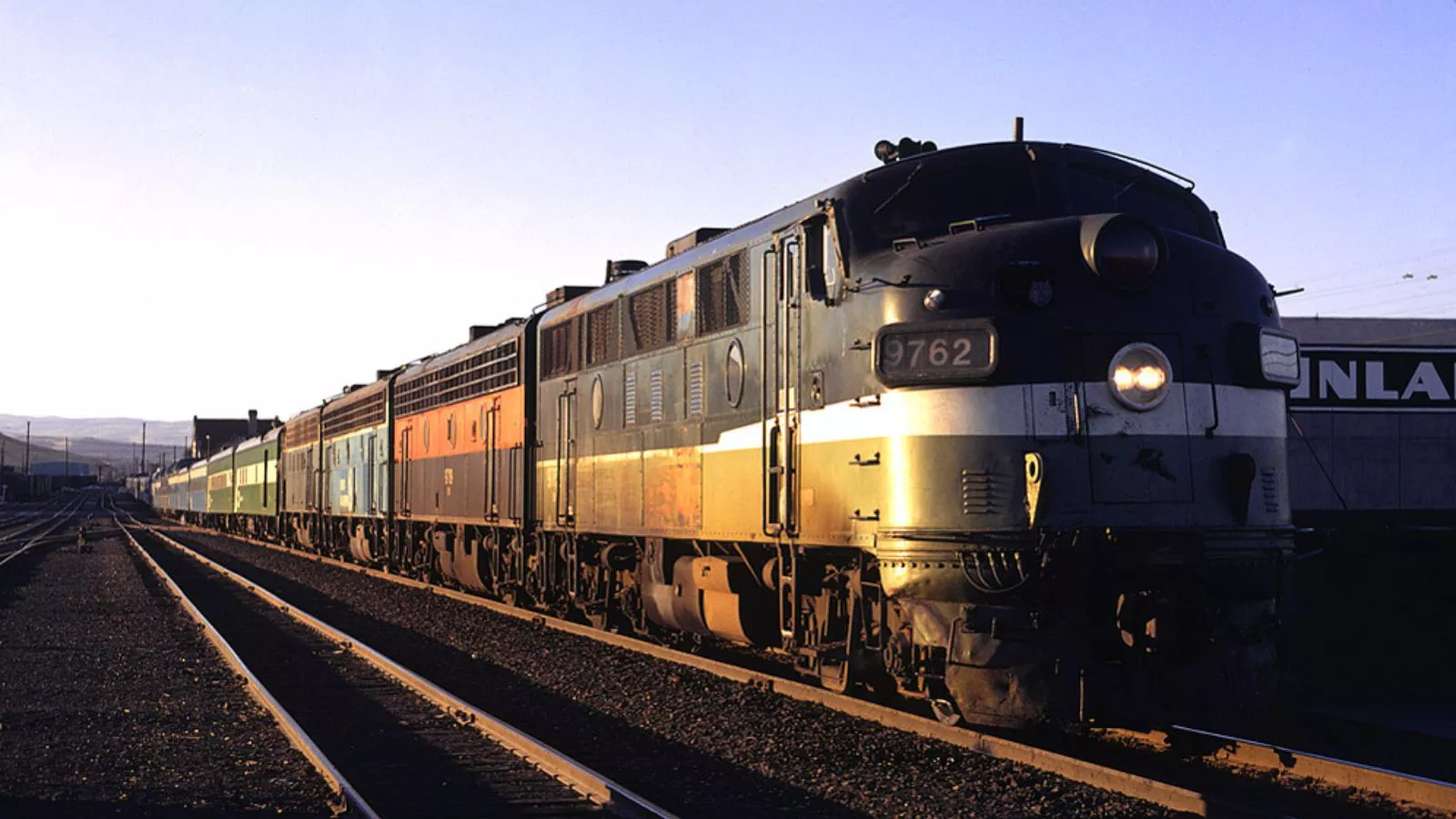
EMD diesel locomotives changed the railway industry by providing a more efficient alternative to steam power.
The biggest advantage was the diesel-electric system. A diesel engine generated electricity, and traction motors converted that electrical energy into movement.
| Advantage | Impact on Rail Operations |
|---|---|
| Higher reliability | Reduced downtime and improved daily operations. |
| Lower maintenance needs | Required fewer service resources compared with steam locomotives. |
| Strong pulling power | Suitable for heavy freight and long-distance transportation. |
| Operational flexibility | Could be used in different climates and railway environments. |
The introduction of successful models such as the EMD F-series helped accelerate the transition from steam locomotives to diesel power.
A freight railroad could operate diesel locomotives for long routes without frequent stops for water and fuel handling. This change improved the speed and efficiency of railway transportation.
EMD produced many locomotive models that became important milestones in railway history. Some models are still remembered because of their reliability, performance, and long service life.
The EMD F-series was one of the most recognizable diesel locomotive families.
Introduced during the transition from steam to diesel power, F-series locomotives featured a streamlined design and strong performance. They became an important symbol of the diesel era in North American railroads.
The GP series, including models such as GP7, GP9, GP38, and GP40, became popular because of their versatility.
| Series | Main Characteristics |
|---|---|
| GP7 / GP9 | Early general-purpose locomotives with strong reliability. |
| GP38 / GP40 | Widely used for freight operations. |
| GP series overall | Known for flexibility and easy maintenance. |
The SD series was designed for heavier freight applications requiring higher tractive effort.
Models such as the SD40 and SD70 became widely used by freight railroads because they could handle demanding routes and heavy loads.
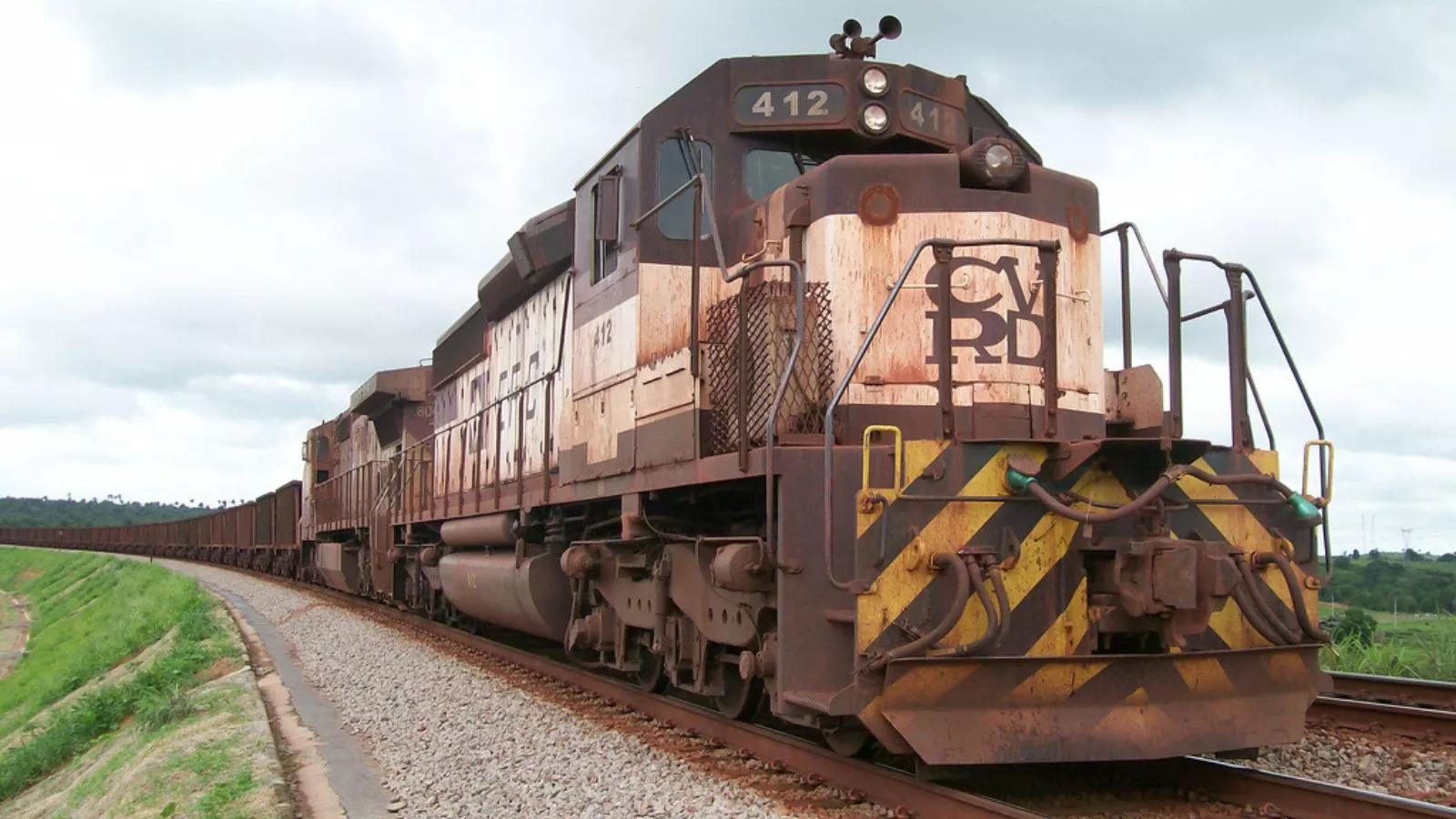
The success of EMD locomotives came from a combination of powerful diesel engines, electrical systems, and reliable locomotive design.
EMD developed several famous two-stroke diesel engines, including the 567, 645, and 710 series.
| Engine Series | Features |
|---|---|
| 567 | One of EMD’s earliest successful locomotive engines. |
| 645 | Provided increased power and improved performance. |
| 710 | A modern high-power engine platform used in later locomotives. |
These engines were designed for durability and continuous operation, making them suitable for heavy freight service.
An EMD locomotive does not directly connect the diesel engine to the wheels.
Instead, the system works through several steps:
The diesel engine produces mechanical power. A generator or alternator converts this power into electricity. Traction motors then use the electricity to drive the wheels.
This design allows locomotives to deliver high pulling force while maintaining reliable operation over long distances.
The history of Electro-Motive Diesel continued to change after its long relationship with General Motors. Although ownership changed, EMD’s locomotive technology and reputation remained important in the railway industry.
In the 1930s, Electro-Motive became part of General Motors and operated as the Electro-Motive Division (EMD). This period was one of the most successful stages in the company’s history.
With the resources of General Motors, EMD expanded locomotive production and developed many well-known diesel-electric models.
During the second half of the 20th century, EMD locomotives became common sights on freight railroads. Large rail networks relied on EMD power for moving heavy cargo across long distances.
In 2005, General Motors sold Electro-Motive Diesel to new ownership. The company continued operating as an independent locomotive manufacturer before becoming part of Progress Rail, a Caterpillar company.
| Period | Company Status |
|---|---|
| Before 2005 | Operated as General Motors Electro-Motive Division. |
| 2005 | Became Electro-Motive Diesel as a separate company. |
| 2010 | Joined Progress Rail under Caterpillar ownership. |
Today, EMD technology continues through Progress Rail’s locomotive business, including diesel-electric locomotive solutions and railway services.
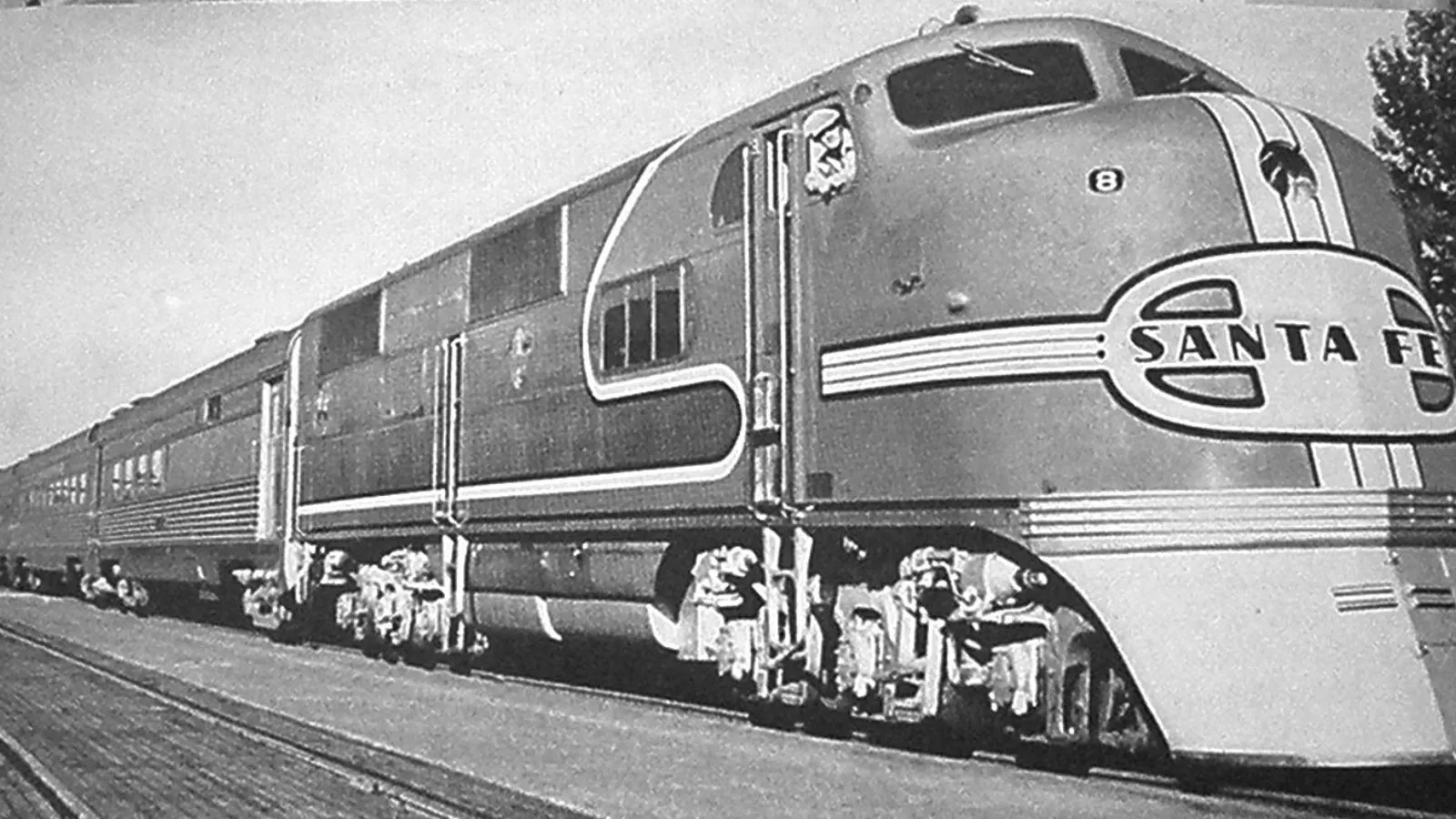
EMD locomotive manufacturing has a long connection with the United States, especially the city of La Grange, Illinois.
The La Grange facility became one of the most important locations in locomotive manufacturing history.
For decades, engineers and workers at La Grange developed diesel engines, locomotive designs, and production technologies that shaped modern rail transportation.
The site represented more than a factory. It became a center of railway innovation where generations of engineers worked on some of the world’s most recognizable locomotives.
Today, EMD locomotive production is managed through Progress Rail, a Caterpillar company.
Modern EMD-related operations focus on:
| Area | Focus |
|---|---|
| Locomotive manufacturing | Building diesel-electric locomotives for freight and industrial applications. |
| Engine technology | Developing reliable diesel power systems. |
| Maintenance services | Supporting locomotive performance throughout its operating life. |
While manufacturing locations and ownership have changed, the EMD name remains strongly connected with locomotive engineering.
EMD has had a lasting influence on modern railway systems by helping establish diesel-electric locomotives as a standard solution for heavy transportation.
Freight railroads require locomotives that can operate for long hours, carry heavy loads, and perform reliably under different conditions.
EMD locomotives helped rail companies improve efficiency in industries such as:
| Industry | Rail Application |
|---|---|
| Energy | Transporting coal and other bulk materials. |
| Agriculture | Moving grain and agricultural products. |
| Manufacturing | Supporting industrial supply chains. |
| Mining | Hauling heavy mineral resources. |
The combination of diesel engines and electrical traction systems allowed railroads to move larger amounts of freight with fewer operational interruptions.
The legacy of EMD is not only measured by the number of locomotives produced. It is also reflected in how diesel-electric technology changed the way goods are transported around the world.
Many older EMD locomotives remain in service decades after their original introduction. Their long operating life demonstrates the durability of EMD engineering.
EMD has competed with several major locomotive manufacturers throughout its history. Among them, General Electric (GE) has been one of the most important competitors in the diesel-electric locomotive market.
Both EMD and GE developed successful diesel-electric locomotives, but their engineering approaches were different.
| Category | EMD | GE Locomotives |
|---|---|---|
| Historical strength | Known for durable diesel-electric locomotive platforms. | Known for advanced locomotive development and technology integration. |
| Popular models | F-series, GP series, SD series. | Dash series and Evolution Series. |
| Main market | Freight railroads and industrial applications. | Freight railroads and global locomotive markets. |
EMD’s advantage comes from decades of practical railway experience.
Its locomotives are recognized for:
Although locomotive technology continues to evolve, EMD remains one of the most influential names in railway history.
From early Electro-Motive engineering projects to modern locomotive solutions, EMD represents a century of innovation in diesel-electric transportation.
The following questions cover some of the most common topics about EMD history, ownership, and locomotive technology.
Yes. EMD technology continues through Progress Rail, a Caterpillar company. The EMD brand remains active in locomotive manufacturing, engines, and railway solutions.
Yes. EMD continues to provide diesel-electric locomotives and related railway technologies through Progress Rail.
Yes. Electro-Motive Diesel became part of Progress Rail, which is owned by Caterpillar. The company continues to develop locomotive and railway solutions based on EMD technology.
Electro-Motive Diesel is owned by Progress Rail, a Caterpillar company. Before this, EMD was part of General Motors and later operated as an independent company.
There is no single answer, but several EMD models are considered among the most influential, including the F-series, GP series, and SD series. Their reliability and long service life made them highly respected in the railway industry.
General Motors sold EMD as part of its strategy to focus on its core automotive business and reduce ownership of non-core industrial operations.
Yes. Two-stroke diesel engine technology is still used in certain applications, including marine engines and some specialized industrial systems. EMD also has a long history of developing successful two-stroke diesel engines such as the 567, 645, and 710 series.
Electro-Motive Diesel has played a major role in shaping modern railway transportation. From early diesel-electric innovations to today’s advanced locomotive systems, EMD technology has influenced how railroads move freight around the world.
The long history of EMD locomotives shows the importance of reliable engineering, efficient power systems, and durable designs. Whether for freight transportation, industrial rail applications, or locomotive modernization projects, choosing the right railway equipment is essential for long-term performance.
At SHZHJ, we focus on providing professional railway solutions and locomotive-related products for global customers. With industry experience and a commitment to quality, we help customers find suitable equipment based on their operational requirements.
If you are looking for locomotive components, railway equipment, or customized solutions, our team can provide technical support and product recommendations. Contact SHZHJ today to discuss your project requirements.
*We respect your confidentiality and all information are protected.

This article explores the key differences between silver and copper conductors, focusing on resistance, performance, and real-world applications—understanding these factors is essential for making informed decisions.

This guide explains how flexible copper busbars work, how to select the right one, and why your choice directly impacts system reliability.

In the railway and heavy equipment industry, locomotive contacts are small but critical components that make or break electrical circuits inside contactors, relays, and switches.