
+86-21-37782156
info@shzhj.com

Copper vs Aluminum Busbars has become an important consideration as electrical systems continue to demand higher efficiency, reliability, and cost control. From industrial power distribution to renewable energy and battery applications, choosing the right busbar material directly affects system performance, safety, and long-term operation.
The answer depends on the specific application. Copper busbars generally provide higher conductivity, better current density, and compact designs, while aluminum busbars offer advantages in weight reduction and cost efficiency. This comparison is especially valuable for:
This guide explains the key differences between copper and aluminum busbars, including conductivity, cost, applications, and selection factors, helping you make a more reliable choice for your electrical projects. Continue reading to understand which material best fits your requirements.
Table of Contents
Busbars are metal conductors used to distribute electrical power inside switchgear, control panels, battery systems, and industrial equipment. Instead of using multiple cables, engineers often use a busbar to create a cleaner, more compact, and reliable power connection.
The two most common busbar materials are copper and aluminum. Both can carry high current, but they perform differently in conductivity, weight, cost, and application requirements.
Imagine a power distribution cabinet in a factory running 24 hours a day. Hundreds of amps flow through the conductor every second. The busbar inside must handle heat, vibration, and continuous electrical load without losing reliability. Choosing the right material at the beginning can prevent future maintenance problems.
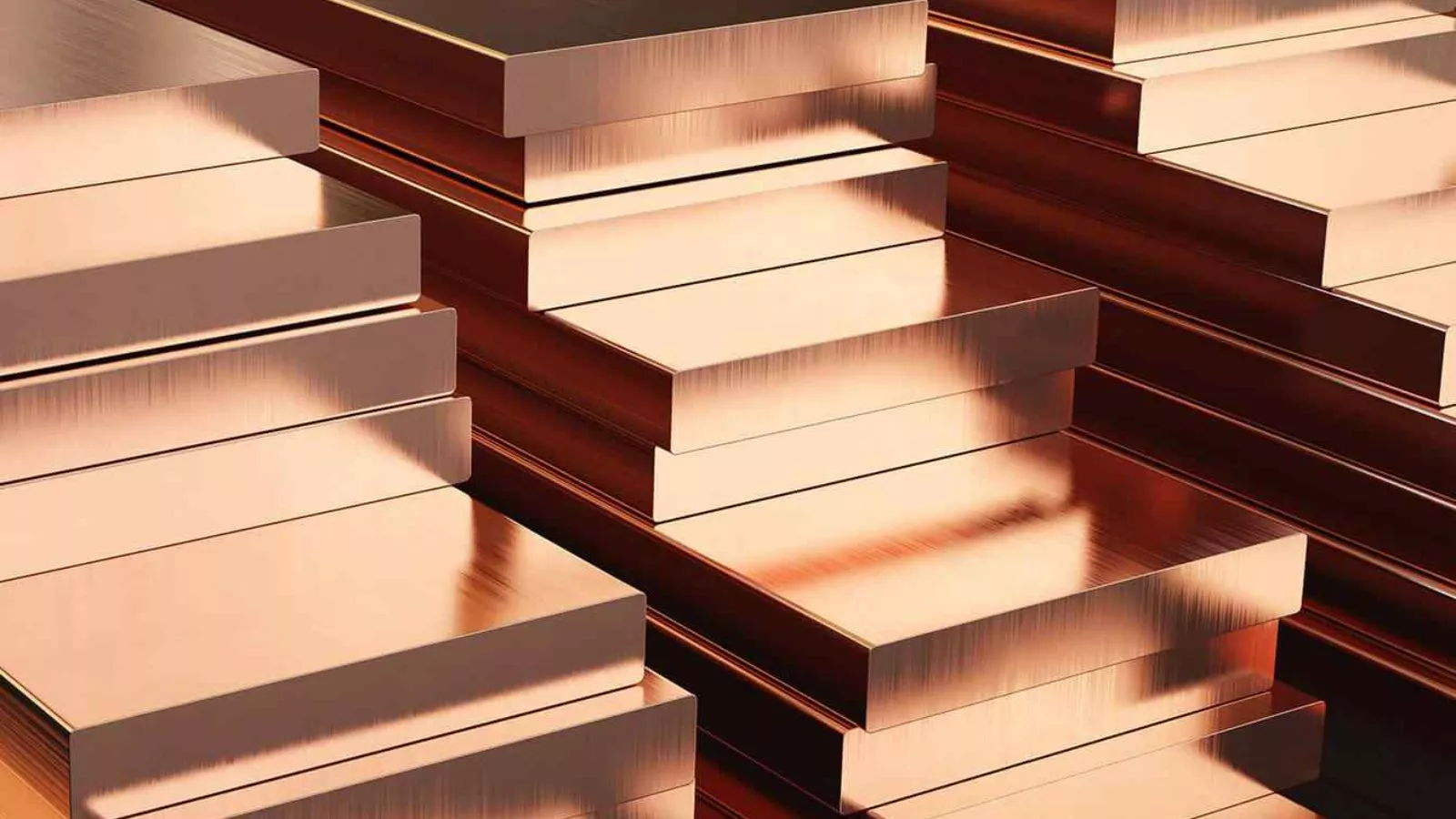
A copper busbar is an electrical conductor made from copper, usually high-conductivity electrolytic copper. Because copper has excellent electrical conductivity and mechanical strength, it is widely used in demanding power applications.
Common types include:
For example, in an electric vehicle battery pack, space is extremely limited. Engineers need a conductor that can carry hundreds of amps while keeping resistance and heat generation low. A copper battery bus bar is often selected because it provides high current capacity in a compact size.
Copper busbars are also commonly used for grounding applications, including copper grounding bus bar and grounding copper busbar systems in electrical cabinets.
| Feature | Copper Busbar |
|---|---|
| Electrical Conductivity | Very high, suitable for high current applications |
| Mechanical Strength | Excellent resistance to bending and mechanical stress |
| Size Requirement | Smaller cross-section for the same current rating |
| Typical Applications | Switchgear, batteries, power distribution, grounding systems |
However, copper has a higher material cost. The copper busbar price can change with copper market fluctuations, thickness, plating requirements, and processing methods.
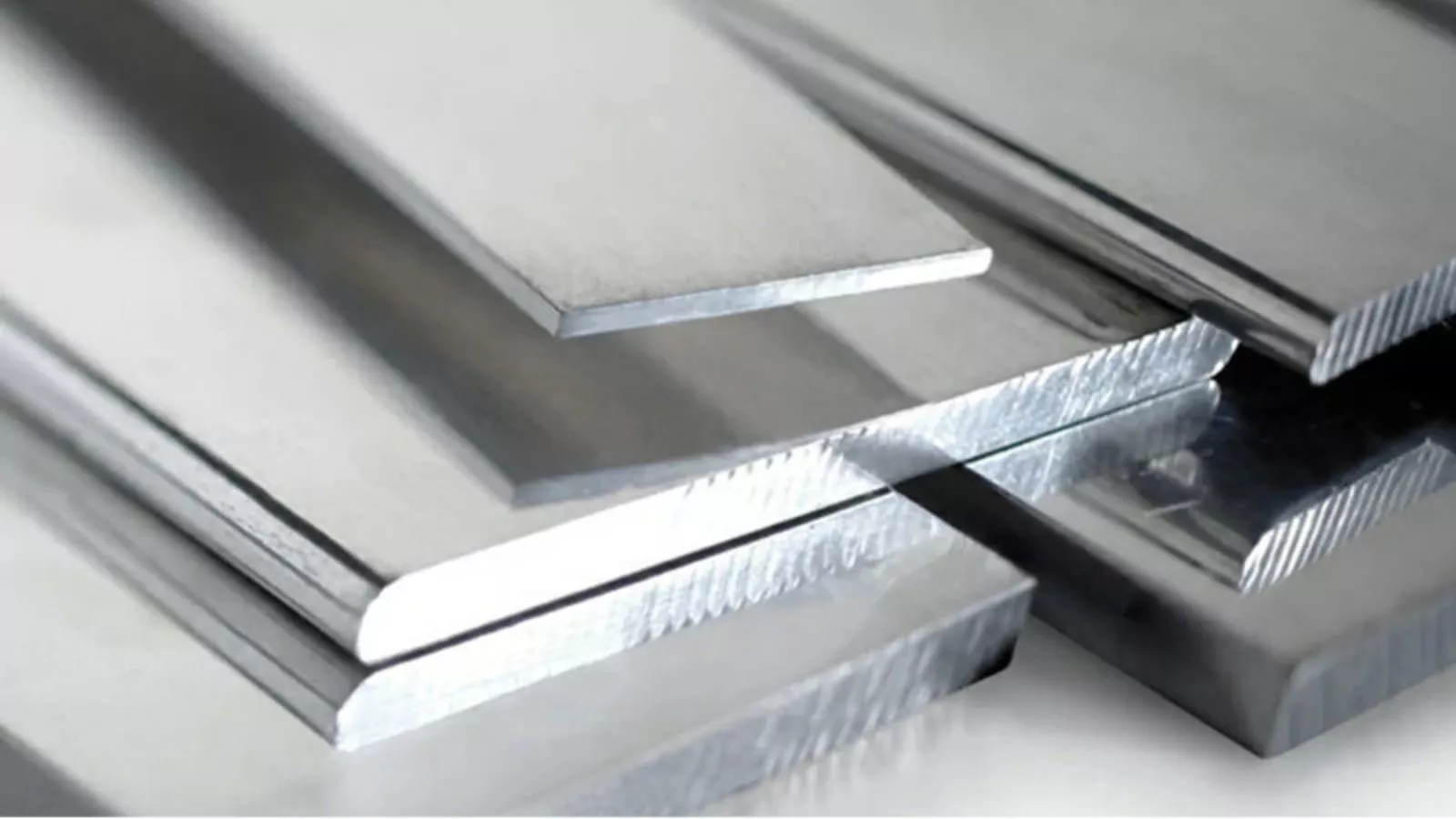
An aluminum busbar uses aluminum as the main conductive material. Although aluminum has lower conductivity than copper, it offers a major advantage: significantly lower weight.
Aluminum busbars are often used in large electrical systems where reducing weight and material cost is important. Common materials include aluminum alloys such as:
For example, in a large power distribution project, hundreds of meters of busbar may be installed. Replacing copper with aluminum can greatly reduce transportation weight and installation difficulty.
A maintenance team installing a long busbar system may notice the difference immediately. Copper sections require more lifting effort, while aluminum sections are easier to handle during installation.
Aluminum busbars are available in different designs, including aluminum flat busbars and aluminum tubular busbars, depending on current requirements and installation conditions.
| Feature | Aluminum Busbar |
|---|---|
| Weight | Much lighter than copper |
| Material Cost | Generally lower than copper |
| Conductivity | Lower than copper but suitable for many applications |
| Typical Applications | Large power distribution, industrial systems, lightweight designs |
When selecting aluminum busbars, engineers also consider connection design, surface treatment, and corrosion protection. Proper installation is important for long-term electrical performance.
Copper and aluminum busbars can both be used for power distribution, but their performance is different in real-world applications. The right choice depends on current requirements, installation space, weight limits, and project budget.
The main differences are related to conductivity, weight, cost, and installation requirements.
| Comparison | Copper Busbar | Aluminum Busbar |
|---|---|---|
| Electrical Conductivity | Higher conductivity with lower electrical resistance | Lower conductivity but suitable for many power applications |
| Weight | Heavier material | About one-third lighter than copper |
| Material Cost | Higher copper material cost | Usually more cost-effective |
| Space Requirement | Smaller size for the same current rating | Requires a larger cross-section |
| Common Applications | Battery systems, switchgear, compact electrical equipment | Large distribution systems, weight-sensitive projects |
For example, a compact electrical cabinet in a data center may prioritize copper busbars because every millimeter of installation space matters. In contrast, a large industrial power distribution system may choose aluminum busbars because hundreds of kilograms of weight can be reduced.
Think of copper and aluminum busbars like two different types of transport vehicles. Copper is like a powerful compact truck that carries heavy loads in a smaller space. Aluminum is like a lightweight vehicle that reduces transportation effort and operating costs.
Besides the material itself, surface treatment also affects performance. Options such as tinned copper busbar, silver plated copper busbar, and nickel plated copper busbar can improve corrosion resistance and connection reliability in specific environments.
Yes. Copper has higher electrical conductivity than aluminum, which is one of the main reasons copper busbars are widely used in high-current applications.
For the same current capacity, a copper busbar usually requires a smaller cross-sectional area compared with an aluminum busbar. This is especially important in applications where installation space is limited.
For example, inside an EV battery system, engineers often need to fit multiple conductors into a small enclosure. A copper battery bus bar can provide the required current carrying capacity while keeping the design compact.
| Material | Electrical Performance | Design Impact |
|---|---|---|
| Copper | Higher conductivity | Smaller busbar size for similar current rating |
| Aluminum | Lower conductivity | Larger conductor size may be required |
This difference becomes more noticeable in high-current systems, such as:
However, conductivity is not the only factor engineers consider. A project may choose aluminum when weight reduction and cost control are more important than minimizing conductor size.
_1784774471_WNo_1600d900.webp)
Although aluminum has lower conductivity than copper, it remains a popular choice because of its lightweight design and cost advantages.
In large-scale electrical projects, material weight can have a major impact on transportation, installation, and overall system cost.
For example, imagine installing a long busbar system in a factory. Workers need to move, position, and connect each section on site. A lighter aluminum busbar can make handling easier and reduce installation effort.
Aluminum is often selected when the project needs a balance between electrical performance and economic efficiency. It may not be the smallest conductor option, but it can be the most practical solution for large power systems.
Common aluminum busbar applications include:
Common aluminum materials include 6101 aluminum bus bar and 6061 aluminum bus bar, which provide good mechanical properties and electrical performance for busbar manufacturing.
When using aluminum busbars, proper connection design is important. Engineers must consider contact surfaces, oxidation protection, and suitable joining methods to maintain long-term reliability.
Cost is one of the most important factors when selecting busbar materials. However, the final price is not only determined by the raw material. Design, thickness, current rating, surface treatment, and manufacturing process all affect the total cost.
Generally, copper busbars have a higher material cost because copper is more expensive than aluminum. Aluminum busbars usually provide a more economical solution for large-scale projects where weight and budget are key concerns.
| Cost Factor | Copper Busbar | Aluminum Busbar |
|---|---|---|
| Raw Material Price | Higher due to copper market value | Lower compared with copper |
| Material Weight | Higher transportation and handling cost | Lighter and easier to install |
| Required Size | Smaller size for the same current | Larger size may be required |
| Processing Options | Cutting, bending, plating, insulation available | Similar processing options with different material properties |
For example, a small control cabinet may only require several meters of busbar. In this case, the size advantage of copper can outweigh the higher material cost.
For a large power distribution system containing hundreds of meters of conductor, aluminum may provide significant savings in both material and installation.
A lower purchase price does not always mean a lower total cost. Engineers also consider maintenance, connection reliability, service life, and system efficiency when evaluating busbar costs.
When checking copper busbar price, buyers should also consider options such as:
These additional processes can improve performance but may affect the final copper busbar price.
Copper clad aluminum busbars combine an aluminum core with a copper outer layer. This design aims to achieve lower weight and cost while maintaining some benefits of copper conductivity.
Copper clad aluminum busbar products can be attractive for projects looking for a balance between performance and budget. However, engineers should carefully evaluate their long-term reliability before selecting this material.
| Potential Risk | Why It Matters |
|---|---|
| Interface Reliability | The copper and aluminum bonding layer must remain stable during operation |
| Thermal Expansion Difference | Copper and aluminum expand differently when temperature changes |
| Oxidation Risk | Improper connections may increase contact resistance |
| Connection Performance | Joint design is critical for long-term electrical stability |
For example, in a power cabinet operating continuously at high current, repeated heating and cooling cycles can stress the connection points. If the copper and aluminum interface is not properly manufactured, performance may decrease over time.
Copper clad aluminum busbars can work well in suitable applications, but they require careful material selection, manufacturing control, and connection design.
Before choosing copper clad aluminium busbar solutions, engineers should consider:
Yes, copper and aluminum busbars can be connected together, but the connection requires proper design. Direct contact between copper and aluminum may create reliability problems because the two metals have different chemical properties.
One major concern is galvanic corrosion. When copper and aluminum are exposed to moisture and electrical potential differences, corrosion can occur at the contact area.
For example, a copper busbar connected directly to an aluminum busbar in a humid environment may develop oxidation over time. This can increase contact resistance and generate additional heat during operation.
| Connection Method | Purpose |
|---|---|
| Plated Contact Surface | Improves corrosion resistance |
| Transition Connector | Provides a reliable copper-to-aluminum connection |
| Proper Joint Design | Reduces overheating and contact problems |
| Environmental Protection | Helps prevent moisture-related corrosion |
Common solutions include using specially designed copper to aluminum bus bar connections, transition joints, or suitable plating technologies.
In industrial equipment, battery systems, and power distribution cabinets, the connection method is often just as important as the busbar material itself.
Choosing the right connection method helps copper and aluminum components work together safely and maintain stable electrical performance throughout the system's service life.
There is no single answer for every project. The best material depends on electrical requirements, installation conditions, and budget priorities.
| Choose Copper Busbar When You Need | Choose Aluminum Busbar When You Need |
|---|---|
| Higher conductivity | Lower system weight |
| Compact installation size | Lower material cost |
| High current density | Large-scale power distribution |
| Maximum connection reliability | Easy transportation and installation |
For example, a compact energy storage system may benefit from a copper battery bus bar because space is limited and efficiency is critical.
A large industrial power network may choose aluminum busbars because reducing material weight and project cost is more important.
The right busbar material is not simply about copper versus aluminum. It is about finding the best balance between electrical performance, mechanical requirements, installation conditions, and long-term reliability.
If you need a solution for a specific current rating, environment, or mechanical design, a customized busbar can help achieve better performance.
Copper busbars offer higher conductivity and better current density, while aluminum busbars are lighter and usually more cost-effective.
Copper battery bus bars provide high conductivity, compact size, and reliable performance for high-current battery connections.
Flexible copper busbars are better for applications with vibration, movement, or limited installation space. Solid copper busbars are suitable for fixed power connections.
Yes. They can be connected with proper transition methods, plating, and joint design to prevent corrosion and connection problems.
Choose a supplier with experience in material selection, customization, surface treatment, and quality control for your specific application.
Selecting the right busbar material depends on more than just conductivity or price. Copper busbars provide excellent electrical performance, compact design, and long-term reliability, while aluminum busbars offer advantages in weight reduction and cost efficiency.
For applications such as power distribution, battery systems, grounding solutions, and industrial equipment, choosing the correct material, structure, and surface treatment can improve system performance and reduce future maintenance risks.
As an experienced China-based busbar manufacturer, SHZHJ provides customized copper busbar solutions, including flexible copper busbars, tinned copper busbars, laminated copper busbars, and other electrical conductor solutions. With professional manufacturing capabilities, we help customers develop reliable busbar products for different industries and applications.
If you are looking for a suitable busbar solution or need support with material selection, design, and customization, please contact SHZHJ for a professional quotation.
*We respect your confidentiality and all information are protected.

This article explores the key differences between silver and copper conductors, focusing on resistance, performance, and real-world applications—understanding these factors is essential for making informed decisions.

This guide explains how flexible copper busbars work, how to select the right one, and why your choice directly impacts system reliability.

In the railway and heavy equipment industry, locomotive contacts are small but critical components that make or break electrical circuits inside contactors, relays, and switches.