
+86-21-37782156
info@shzhj.com
_1785979268_WNo_1600d900.webp)
As demand for reliable energy storage continues to grow, flexible busbar for LiFePO4 battery packs has become an important connection solution in modern battery designs. With advantages in conductivity, flexibility, and durability, flexible copper connections are increasingly used in energy storage, electric vehicles, and industrial battery systems.
Selecting the right flexible busbar requires understanding current capacity, material performance, insulation requirements, and application conditions. This guide provides practical insights for:
This article explains the key factors behind flexible busbar selection, from structure and applications to customization and supplier evaluation. Choosing the right solution is essential for battery safety and performance, so continue reading to find the best option for your project.
Table of Contents
_1785979637_WNo_1600d900.webp)
A flexible busbar is a high-current electrical connector designed to transfer power between battery cells, modules, and electrical components. Unlike a traditional rigid copper bar, it uses multiple layers of thin copper foil that can bend, twist, and absorb mechanical stress.
In LiFePO4 battery packs, the connection points often face vibration, thermal expansion, and limited installation space. A flexible busbar helps maintain a stable electrical connection while allowing slight movement inside the battery system.
Example: Imagine a LiFePO4 battery pack installed in an RV. Every time the vehicle drives over a rough road, the battery modules experience small vibrations. A rigid copper connection may transfer this stress directly to the terminals. A flexible busbar works like a small shock absorber, reducing mechanical pressure on the connection points.
A typical flexible busbar for LiFePO4 applications consists of:
| Component | Function |
|---|---|
| High-purity copper foil layers | Provide excellent electrical conductivity and high current carrying capability |
| Welded connection areas | Create reliable contact points for battery terminals |
| Insulation layer (optional) | Protect against accidental contact and improve safety |
These features make flexible busbars a common choice for modern battery systems, especially where reliability and space efficiency are important.
The working principle is simple: copper layers carry electrical current while the flexible structure handles movement and stress.
During battery operation, cells generate heat and slightly expand. The busbar needs to maintain a low-resistance connection even when the battery pack changes temperature.
For example, in a 48V LiFePO4 energy storage system, dozens of battery cells may be connected together. When the system charges during the day, temperature increases inside the enclosure. A flexible busbar can accommodate small dimensional changes without putting excessive force on the battery terminals.
Compared with a standard copper battery bus bar, a flexible design provides more installation freedom. Engineers can route the connection around obstacles, reduce assembly difficulty, and improve the overall layout of the battery pack.
Both solutions use copper as the main conductor, but their structures are designed for different applications.
| Feature | Flexible Busbar | Rigid Copper Busbar |
|---|---|---|
| Structure | Multiple thin copper foil layers | Solid copper plate or bar |
| Flexibility | Can bend and absorb movement | Limited flexibility |
| Installation | Easier for compact battery layouts | Requires precise alignment |
| Common Applications | LiFePO4 packs, EV batteries, energy storage systems | Fixed electrical connections |
For battery pack manufacturers, the choice depends on current requirements, available space, and mechanical conditions. A flexible busbar is often preferred when the battery design needs both high current performance and installation flexibility.
LiFePO4 battery packs are designed for long service life, high safety, and stable power output. The connection system must match these requirements. Flexible busbars are widely used because they solve several common problems in battery assembly.
A battery pack is not a completely static structure. During charging and discharging, cells experience small temperature changes and mechanical movement. These repeated changes can place stress on traditional rigid connections.
Real application example: A solar energy storage cabinet may operate every day for many years. During daytime charging, the battery temperature rises. At night, it cools down. This repeated expansion and contraction can slowly affect rigid connections. A flexible busbar helps absorb these small movements and keeps the electrical path stable.
Battery terminals are sensitive connection points. Excessive mechanical force may cause loosening, deformation, or long-term reliability issues.
The layered copper foil structure of a flexible busbar allows slight movement without transferring all stress to the battery terminal.
LiFePO4 battery systems often require high current output, especially in applications such as EVs, marine power systems, and backup energy storage.
A properly designed flexible busbar provides excellent conductivity and low electrical resistance. For example, a 200 amp copper bus bar may be used in medium-power battery systems where continuous current performance is critical.
The actual current capacity depends on copper thickness, width, length, cooling conditions, and installation environment.
Modern battery packs often have limited internal space. Components need to fit around cooling channels, sensors, and protection devices.
Flexible busbars allow engineers to create cleaner layouts because the connection can be shaped according to the battery structure.
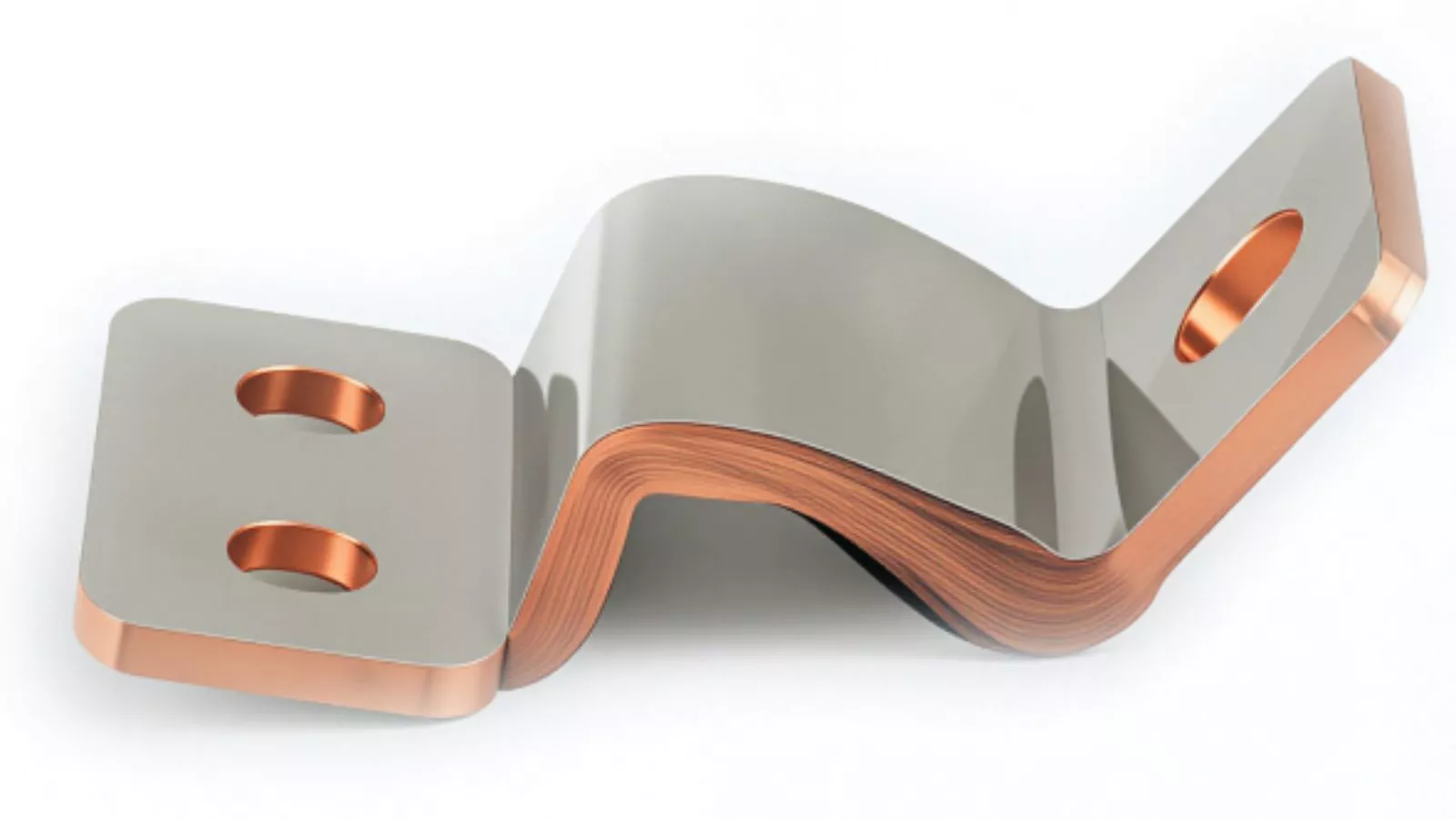
Choosing the right flexible busbar requires more than selecting a copper connector based only on current rating. The design should match the battery pack's electrical and mechanical requirements.
The main factors include current capacity, copper size, insulation requirements, and installation conditions.
Current capacity is one of the first factors to consider. A busbar that is too small may generate excessive heat, while an oversized design may increase cost and take unnecessary space.
| Application | Typical Consideration |
|---|---|
| Small LiFePO4 battery packs | Lower current demand and compact design |
| RV and marine battery systems | High current output with vibration resistance |
| Energy storage systems | Long-term operation and thermal stability |
| Industrial battery packs | High reliability and customized connection design |
The correct size depends on the complete system design, including operating current, peak current, and heat dissipation conditions.
The thickness and number of copper foil layers directly affect electrical performance.
Thicker copper layers can carry higher current, while multiple thin layers improve flexibility. This balance allows flexible busbars to provide both conductivity and mechanical advantages.
Compared with a standard copper connection, a flexible structure is easier to install in battery packs with complex internal layouts.
Safety is another important consideration. In applications where exposed conductive parts may contact nearby components, an insulated design is often preferred.
An insulated copper busbar can provide additional protection against accidental short circuits and improve the overall safety of the battery assembly.
For example, in a compact home energy storage unit, several copper connections may be installed close together. Adding insulation helps prevent accidental contact during maintenance or transportation.
Flexible busbar installation is usually simple, but proper preparation is important for long-term performance.
A reliable connection requires correct positioning, clean contact surfaces, and proper fastening methods.
Before installation, the battery terminal and busbar contact area should be clean and free from contamination.
Dust, oxidation, or uneven contact surfaces may increase electrical resistance and create additional heat during operation.
Flexible busbars are commonly attached using bolts, nuts, or customized connection methods.
Proper tightening is important. Too loose may cause poor contact, while excessive force may damage the terminal or connection area.
| Installation Step | Purpose |
|---|---|
| Check busbar size and position | Ensure correct fit inside the battery pack |
| Clean contact surfaces | Reduce electrical resistance |
| Secure fasteners correctly | Maintain stable electrical connection |
| Inspect insulation protection | Improve safety and prevent short circuits |
In high-performance battery systems, flexible busbars are often combined with customized copper bus bar connectors to create reliable power distribution between battery modules.
A well-designed installation not only improves electrical performance but also helps extend the service life of the entire LiFePO4 battery pack.
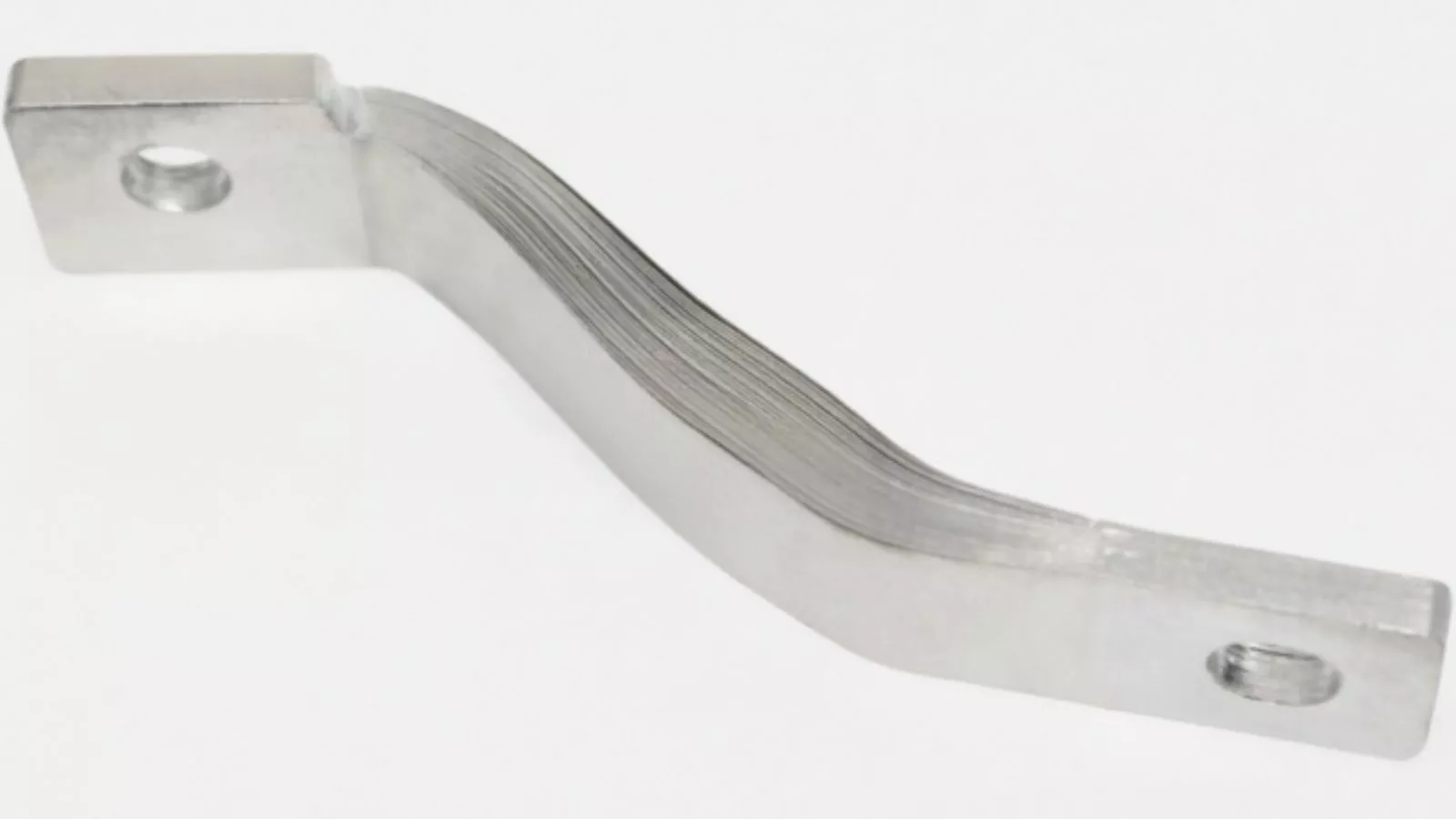
Flexible busbars are used in many battery systems where high current, compact design, and reliable connections are required. Their flexible structure makes them suitable for applications with vibration, limited space, or frequent charging and discharging cycles.
From residential energy storage to electric vehicles, flexible busbars help create safer and more efficient power connections inside battery packs.
Energy storage systems usually operate continuously for many years. The internal connections need to handle repeated charge and discharge cycles while maintaining stable performance.
Example: A home solar battery system may charge during the day and supply power at night. Inside the battery cabinet, flexible busbars connect battery modules while handling temperature changes and daily operating cycles.
For larger storage projects, customized flexible busbars can be designed according to battery module layout, current requirements, and installation space.
Electric vehicles require compact and lightweight power connection solutions. Battery packs are often installed in environments with vibration and continuous movement.
Flexible busbars help reduce stress on battery terminals while providing reliable electrical connections between modules.
They are commonly used in EV battery packs, electric motorcycles, marine batteries, and other mobile power systems.
RV and marine applications have unique challenges. The battery system may experience constant vibration, limited installation space, and changing environmental conditions.
A flexible connection solution can make installation easier while improving long-term reliability.
For example, when an RV travels on uneven roads, the battery modules may move slightly inside the enclosure. A flexible busbar can absorb this movement better than a rigid connection, helping protect the terminals.
Industrial battery systems require stable performance and strong safety protection. Flexible busbars are often used in UPS systems, communication backup power, and factory energy storage equipment.
In these applications, manufacturers may use customized copper connections, including different sizes of copper battery bus bar designs, according to the required current and mechanical conditions.
Choosing the right manufacturer is important because the quality of a flexible busbar directly affects battery pack safety and performance.
A professional supplier should not only provide copper products but also understand battery connection requirements, manufacturing processes, and application challenges.
Copper purity, foil thickness, welding quality, and surface treatment all influence busbar performance.
A reliable manufacturer should have strict quality control during production to ensure consistent electrical performance.
| Factor | Why It Matters |
|---|---|
| Copper material | Affects conductivity and current carrying capability |
| Welding process | Determines connection strength and reliability |
| Insulation quality | Improves safety and prevents accidental contact |
| Dimensional accuracy | Ensures proper installation inside battery packs |
These details are especially important for high-current applications where small quality differences can affect long-term operation.
Battery pack designs are rarely identical. Different projects may require different lengths, widths, thicknesses, hole positions, or insulation methods.
A manufacturer with customization experience can provide flexible solutions instead of standard products only.
Example: A battery manufacturer may need a special-shaped busbar to fit around cooling pipes and battery management system components. A customized flexible busbar design can simplify assembly and improve space utilization.
Before selecting a supplier, check whether they can provide technical support and product testing information.
Important considerations include:
| Evaluation Item | Purpose |
|---|---|
| Sample testing | Verify product performance before mass production |
| Electrical testing | Confirm conductivity and resistance performance |
| Design support | Improve compatibility with battery pack structure |
| Production capacity | Ensure stable supply for large orders |
A reliable flexible busbar supplier should work as a technical partner, helping customers select suitable solutions for different LiFePO4 battery applications.
A flexible busbar uses multiple layers of copper foil, allowing it to bend and absorb mechanical stress. A rigid copper busbar is a solid conductor mainly used for fixed connections.
The selection depends on current requirements, copper thickness, width, installation space, and operating conditions. A professional supplier can help confirm the suitable specification.
Yes. Flexible busbars can be customized in length, width, thickness, terminal design, and insulation options according to different battery pack structures.
An insulated copper busbar is recommended when conductive parts are close together or when additional protection against accidental contact is required.
Flexible busbars play an important role in modern LiFePO4 battery systems by providing reliable current transmission, reducing mechanical stress, and improving installation flexibility. Choosing the right copper material, current capacity, structure, and insulation design helps ensure better battery performance and long-term reliability.
At SHZHJ, we provide customized flexible busbar solutions for battery manufacturers, energy storage companies, and power system developers. With experience in copper connection components, we can support different requirements including customized dimensions, high-current applications, and insulated designs.
If you are looking for a reliable flexible busbar supplier in China, contact SHZHJ to discuss your battery pack requirements. Our team can help you select a suitable solution and provide professional support from design evaluation to production.
*We respect your confidentiality and all information are protected.

This article explores the key differences between silver and copper conductors, focusing on resistance, performance, and real-world applications—understanding these factors is essential for making informed decisions.

This guide explains how flexible copper busbars work, how to select the right one, and why your choice directly impacts system reliability.

In the railway and heavy equipment industry, locomotive contacts are small but critical components that make or break electrical circuits inside contactors, relays, and switches.