
+86-21-37782156
info@shzhj.com
_1786958318_WNo_1600d900.webp)
Insulated flexible busbars are becoming increasingly important in compact power distribution systems, where high current capacity must be combined with efficient use of space. Their flexible construction offers a practical alternative to rigid busbars and conventional cables in many modern electrical applications.
An insulated flexible busbar is a conductive copper connection covered with an insulating layer, designed to carry high current while allowing easier bending and routing. As electrical equipment becomes more compact and applications such as energy storage, EV charging, and power electronics continue to expand, this solution is attracting more attention. This guide is especially useful for:
This guide explains the key construction, benefits, applications, sizing factors, and standards of flexible busbars, helping you make the right selection for your electrical system; continue reading to find the solution that best fits your application.
Table of Contents
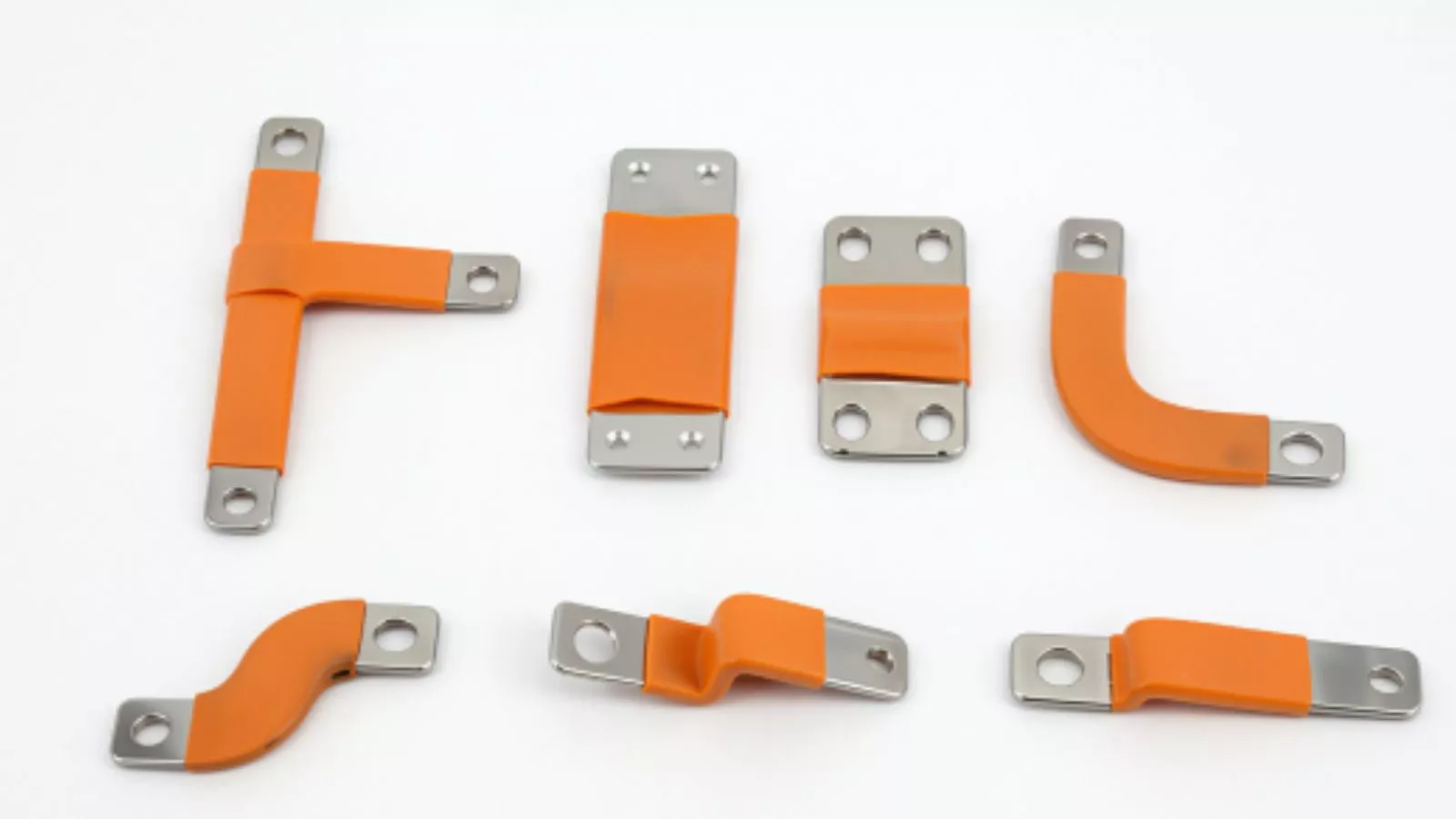
An insulated flexible busbar combines a conductive copper body with an insulating outer layer. Its design is simple, but each layer has a specific job.
The main structure usually includes multiple layers of copper covered by a durable insulation material. This allows the busbar to carry high current while remaining easy to bend and position.
For example: Imagine a connection inside a compact switchgear cabinet. A rigid copper bar may need several bends or extra joints to reach the terminal. A flexible busbar can be shaped by hand and fitted into the same tight space with fewer connections.
The copper layers carry the electrical current. The insulation helps prevent accidental contact, short circuits, and damage from the surrounding components.
The result is a compact connection that can follow the contours of the equipment instead of forcing the equipment layout to follow the busbar.
Copper carries the current, while the insulation protects the conductor and nearby components.
When current flows through the copper layers, the busbar provides a low-resistance path between electrical components. Its layered construction also allows it to bend without behaving like a solid copper bar.
Picture a battery cabinet: two terminals may sit only a few centimeters apart, but their positions can make a straight connection awkward. A flexible busbar can curve around nearby components and connect the terminals neatly without forcing a large cable loop.
The insulation adds another layer of protection. It helps reduce the risk of accidental contact and electrical faults, especially where several conductive parts are installed close together.
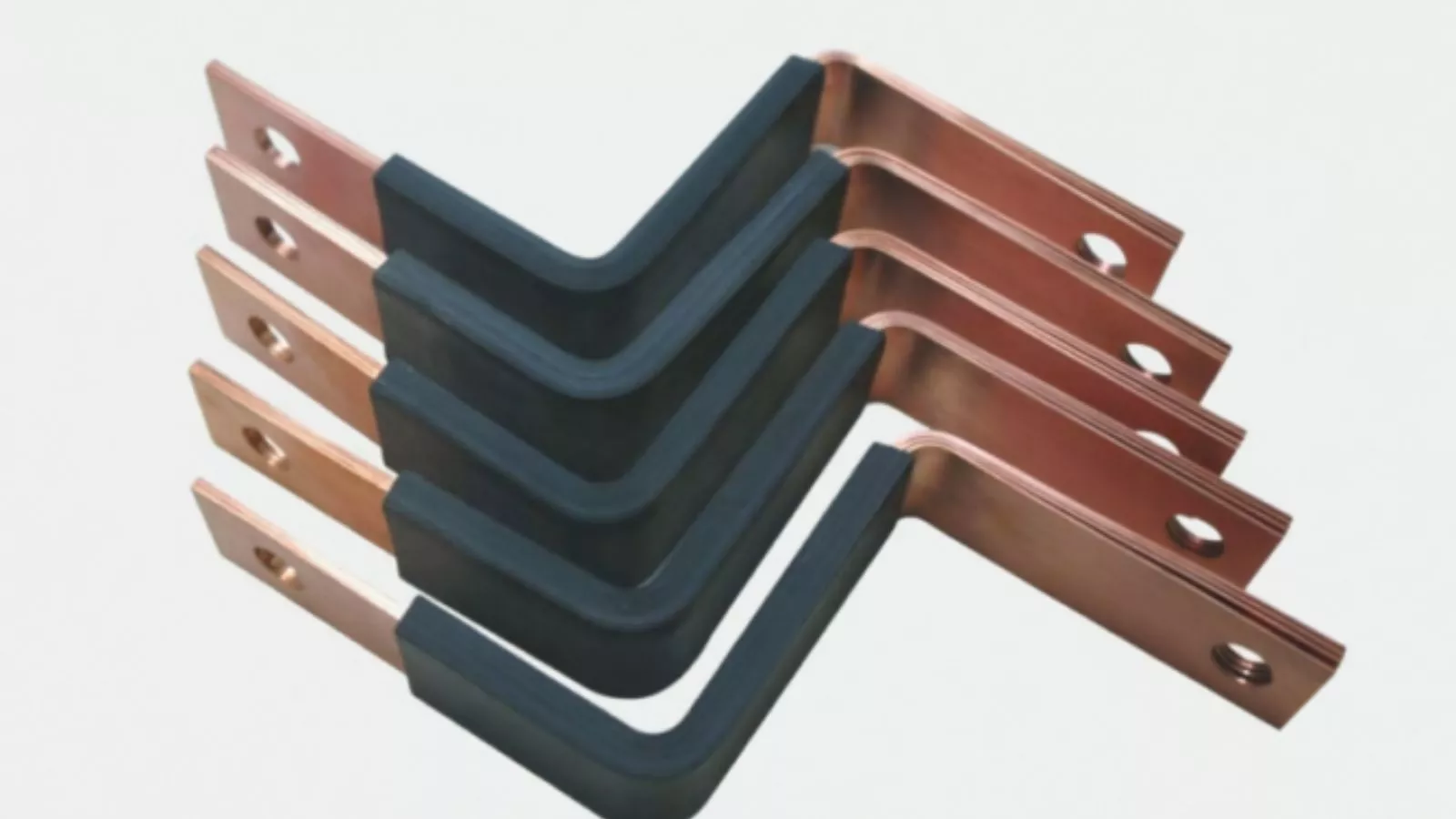
The right choice depends on the equipment. However, flexible busbars offer several practical advantages when space, current, and installation time are important.
Compared with a rigid busbar, a flexible design can follow a more complicated route. Compared with a cable, it can provide a flatter and more structured connection.
The difference becomes obvious inside a crowded electrical cabinet. A rigid copper bar may require several bends and supports. A cable may need extra space for its bending radius. A flexible busbar can sit neatly between the two components.
Less space, fewer connection points, and easier routing are common reasons engineers consider this solution.
It can also reduce the amount of manual forming and assembly required during installation, particularly when the busbar is supplied with the required length, holes, terminals, or bends.
In applications exposed to vibration or thermal movement, flexibility can provide another advantage. Instead of forcing a rigid connection to absorb movement, the busbar can accommodate a certain amount of movement within its design limits.
Insulated flexible busbars are useful wherever high current, limited space, and flexible connections come together.
Common applications include:
Example: Inside a battery energy storage system, several terminals may sit close together while the available space is limited. A flexible busbar can be shaped around nearby components, creating a short and organized high-current connection.
They are also useful where equipment experiences vibration or small amounts of thermal movement. The flexible construction can help accommodate movement without relying entirely on rigid connections.
Size should not be selected from current alone. The installation environment also affects performance.
Start with the required current and voltage. Then consider the conductor cross-section, number of copper layers, insulation, ambient temperature, and available cooling.
Key factors include:
For example, a busbar carrying the same current in an open, well-ventilated cabinet may have different thermal conditions from one installed inside a compact enclosure.
For this reason, current rating should always be checked against the manufacturer's technical data rather than estimated from conductor size alone.
Temperature rise is also an important part of busbar sizing. If you want to estimate how current, conductor size, ambient temperature, and installation conditions affect thermal performance, see our guide to busbar temperature rise calculation.
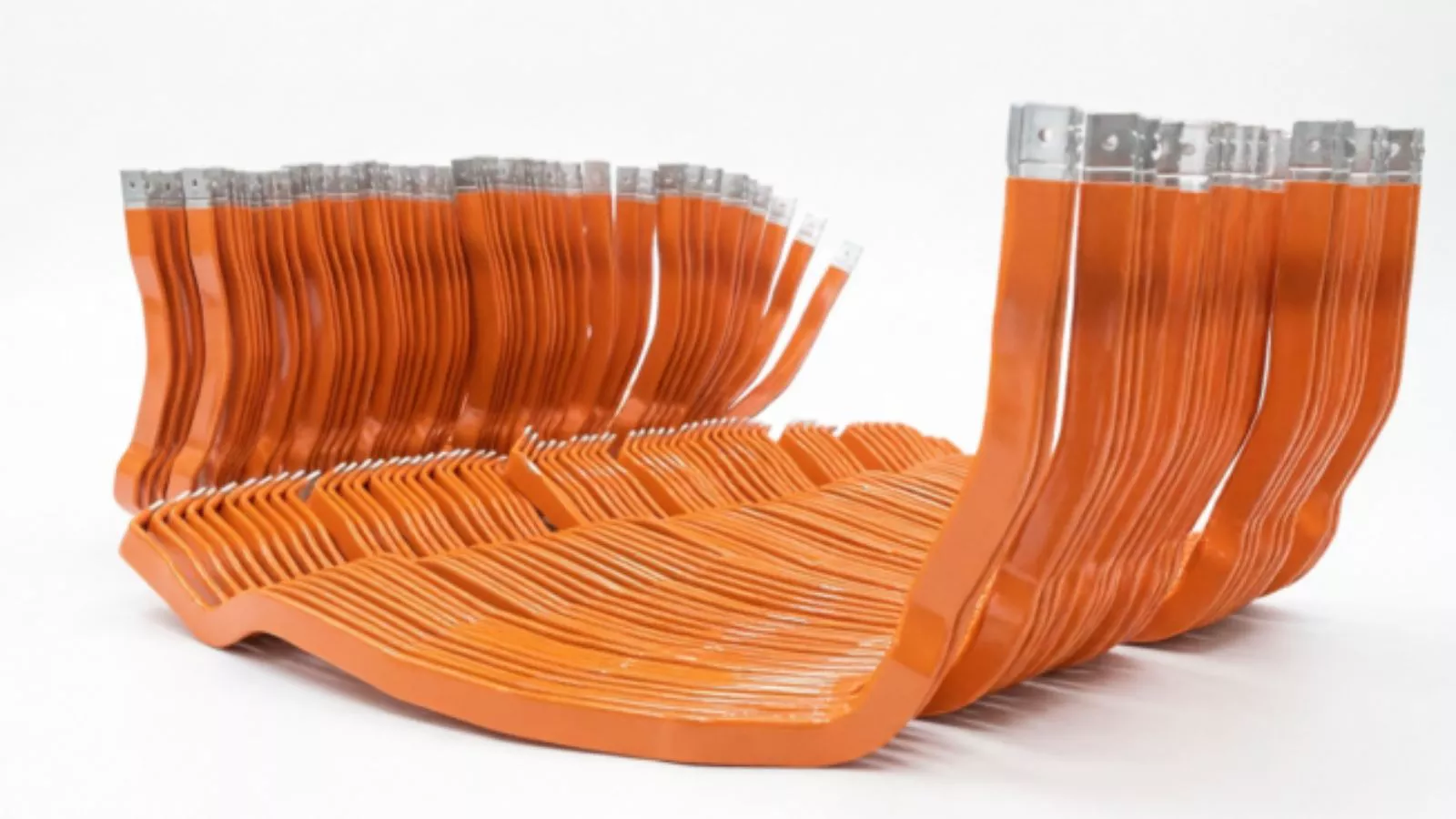
Standards help determine whether a flexible busbar and its surrounding assembly meet required electrical and safety conditions.
Depending on the application and market, relevant requirements may include:
IEC 61439 is particularly relevant when flexible busbars are used within low-voltage switchgear and controlgear assemblies.
Important: A product being rated for a certain current does not automatically mean the complete installation meets a particular standard. The busbar, connections, enclosure, spacing, temperature, and overall assembly may all need to be evaluated.
Always confirm the applicable standard for the target market and the specific equipment before selecting the final product.
Installation is simple when the busbar is correctly sized and formed for the application. The main goal is to avoid unnecessary stress on the conductor or insulation.
Follow the specified bend radius and forming direction. Avoid sharp bends, excessive twisting, or repeated bending in the same area.
Before installation, check that the connection surfaces are clean and properly aligned. Terminals and fasteners should be tightened according to the manufacturer's specifications.
For example: If a flexible busbar is forced into position because it is too short, the connection may remain under mechanical tension. A correctly sized busbar should reach the terminals naturally without pulling or pushing against them.
Also keep the insulated surface away from sharp edges, excessive heat, and other conditions that could damage the insulation.
After installation, inspect the connections and check for abnormal heating during operation when required.
Each busbar solution has a different strength. The best choice depends on the equipment layout and electrical requirements. The following comparison gives a quick overview.
| Solution | Flexibility | Main Advantage | Typical Applications |
|---|---|---|---|
| Insulated flexible busbar | High | Compact high-current connections | Switchgear, batteries, power equipment |
| Rigid copper busbar | Low | Strong and stable fixed connections | Switchboards, distribution systems |
| Power cable | High | Easy routing over longer distances | General power wiring |
| Braided flexible busbar | Very high | Good movement and vibration tolerance | Moving or vibration-prone equipment |
The choice becomes clearer when the installation environment is considered.
A rigid busbar works well when components remain in fixed positions. A cable is often more practical for longer routes. An insulated flexible busbar is especially attractive when high current and limited installation space are both important.
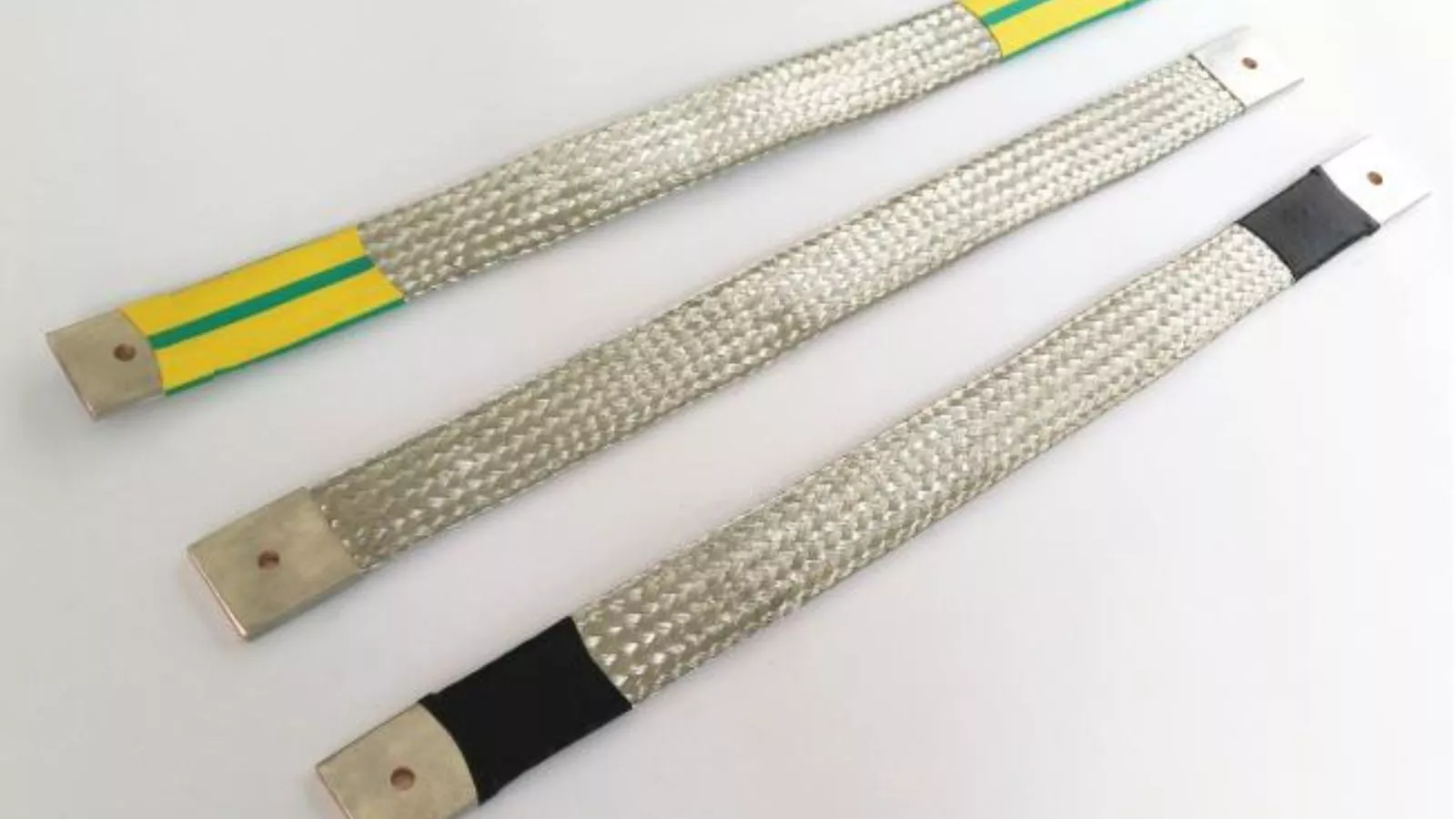
Before ordering, look beyond the current rating. The physical design must also match the equipment.
Key specifications include:
For custom projects, it is also useful to provide a drawing or sample layout. This helps the manufacturer determine the required length, hole positions, terminal shape, and bending direction.
Practical tip: If the busbar will be installed in a tight enclosure, send the manufacturer the available space and connection positions before production. A few millimeters can make the difference between an easy installation and a difficult one.
For high-current or customized applications, discuss the electrical and mechanical requirements with the manufacturer before finalizing the specification.
A flexible busbar is a conductive connection designed to carry electrical current while allowing bending or movement. It is commonly made from layered or braided copper.
Busbars can be insulated using materials such as PVC, heat-shrinkable materials, or other suitable insulating coverings. The choice depends on the voltage, temperature, application, and required standards.
A busbar insulator helps prevent accidental contact and electrical faults. It also provides protection against environmental and mechanical damage.
Not always. Busbars are often advantageous for high-current, compact connections, while cables can be more suitable for longer or more flexible wiring routes.
A flexible busbar can be manufactured using multiple layers of copper foil or copper strips, followed by forming, insulation, and terminal processing. The exact construction depends on the required current, flexibility, dimensions, and application.
An insulated flexible busbar provides a practical way to handle high-current connections where space, flexibility, and electrical protection are important. Compared with rigid busbars or conventional cables, it can offer a cleaner layout and easier installation in compact equipment.
For a reliable solution, the busbar should be selected according to current rating, insulation, dimensions, temperature, connection design, and application requirements. Custom specifications may also be needed for battery systems, switchgear, power distribution equipment, and other demanding applications.
SHZHJ is a China-based supplier of flexible electrical connection solutions. If you need a standard product or a customized flexible busbar based on your drawings, dimensions, and electrical requirements, contact SHZHJ to discuss your project and request a quotation.
*We respect your confidentiality and all information are protected.

This article explores the key differences between silver and copper conductors, focusing on resistance, performance, and real-world applications—understanding these factors is essential for making informed decisions.

This guide explains how flexible copper busbars work, how to select the right one, and why your choice directly impacts system reliability.

In the railway and heavy equipment industry, locomotive contacts are small but critical components that make or break electrical circuits inside contactors, relays, and switches.