
+86-21-37782156
info@shzhj.com

As modern electrical systems become smaller and more powerful, the demand for reliable power connections continues to grow. A flexible busbar provides an efficient solution for high-current applications by combining excellent conductivity with mechanical flexibility.
A flexible busbar helps engineers solve common connection challenges in EV batteries, energy storage systems, switchgear, and industrial equipment. It can reduce installation difficulties, improve space utilization, and handle vibration or thermal movement. This makes it an ideal choice for:
This article explains the key concepts, applications, types, and benefits of flexible busbars, helping you understand why choosing the right busbar solution is important. Continue reading to find the best option for your electrical connection needs.
Table of Contents
A flexible busbar works as a high-current electrical connection between two or more components. It combines excellent copper conductivity with a flexible structure, allowing reliable power transmission in compact and complex systems.
Unlike a rigid copper busbar, a flexible bus bar can bend and absorb small movements caused by vibration, thermal expansion, or installation errors. This helps reduce mechanical stress on electrical connections.
For example, in an electric vehicle battery pack, the space between battery modules is very limited. A rigid connection may require precise alignment, while a flexible copper busbar can be shaped to fit the available space and maintain a stable connection during vehicle operation.
The working principle is simple. Multiple thin copper layers or braided copper strands create a low-resistance path for current flow while maintaining flexibility.
The main advantages include:
| Feature | Benefit |
|---|---|
| High copper conductivity | Efficient current transmission with low energy loss |
| Flexible structure | Easy installation in limited spaces |
| Vibration resistance | Improves connection reliability |
| Compact design | Saves space in electrical systems |
This makes flexible busbar solutions suitable for applications such as EV batteries, energy storage systems, switchgear, and industrial equipment.
The structure of a flexible busbar determines its flexibility, current capacity, and application range.
Most flexible busbars are made from high-conductivity copper layers or braided copper strands. These copper elements are connected through processes such as welding, pressing, or bonding to create a durable electrical conductor.
Different designs are developed for different working conditions. Some focus on maximum flexibility, while others are designed for higher current loads or additional protection.
The common types include:
| Type | Structure | Typical Applications |
|---|---|---|
| Laminated flexible busbar | Multiple thin copper sheets stacked and bonded together | EV batteries, energy storage, power distribution |
| Flexible braided busbar | Woven copper strands forming a flexible conductor | Equipment with vibration or movement |
| Insulated flexible busbar | Copper conductor with protective insulation | Compact systems requiring electrical protection |
The choice depends on factors such as current rating, installation space, temperature, and environmental conditions.
For instance, a battery energy storage cabinet may use a laminated flexible busbar because it needs high current capacity while handling repeated thermal expansion during charging and discharging cycles.
Compared with traditional copper buzz bars or standard rigid conductors, flexible designs provide more installation freedom and better adaptability for modern electrical equipment.
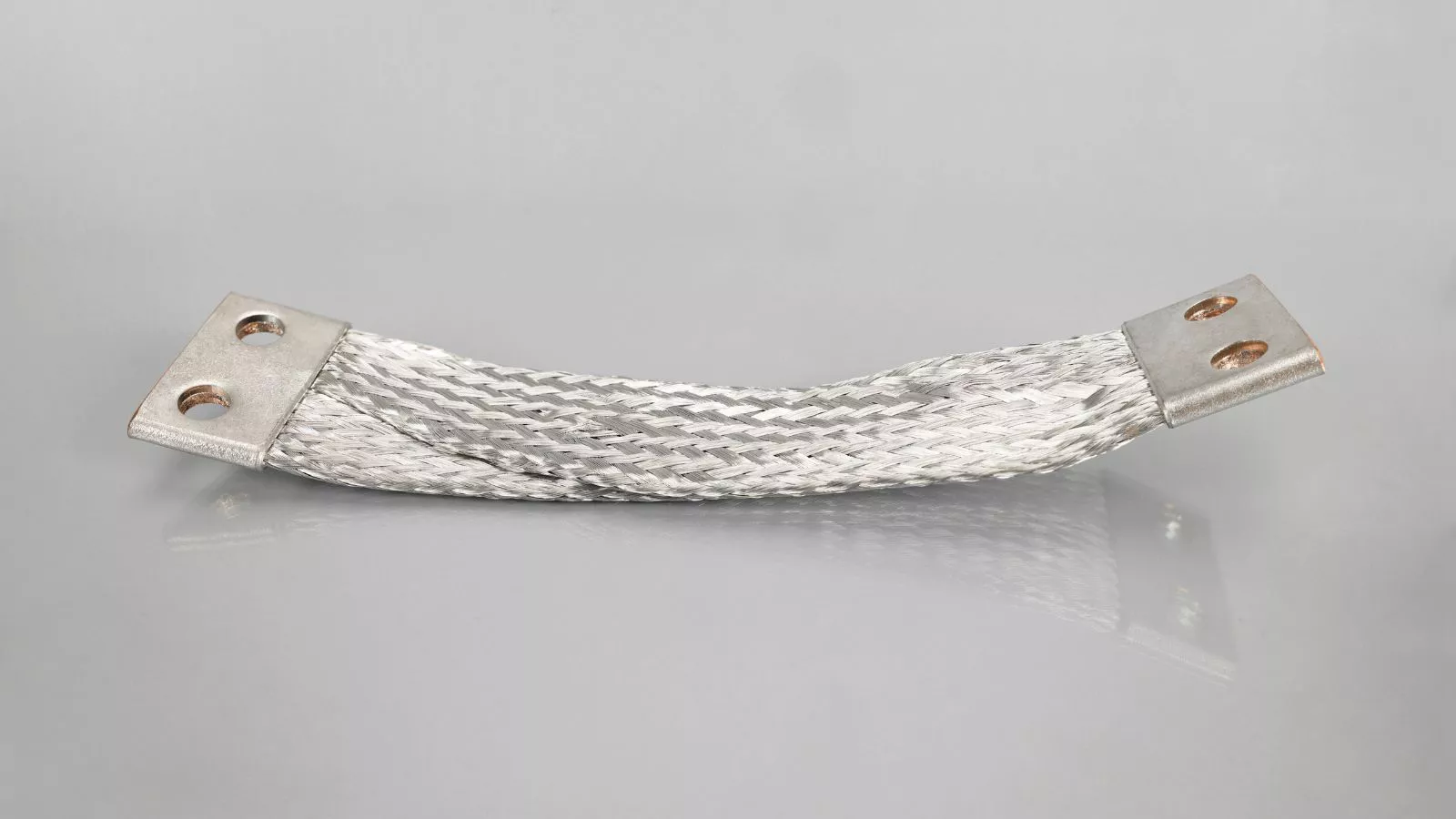
Both cables and busbars can transfer electrical current, but they perform differently in high-power applications.
A flexible busbar provides a compact and low-resistance connection. Compared with traditional cables, it can reduce installation complexity and make better use of limited space.
In applications such as EV battery systems or power cabinets, dozens of connections may be required. Using cables can create a crowded layout with multiple bends and extra fixing points. A flexible bus bar can provide a cleaner and more organized connection design.
| Comparison | Flexible Busbar | Cable |
|---|---|---|
| Space usage | Compact and easy to arrange | Requires more bending space |
| Installation | Simple positioning and fixing | May require additional routing and supports |
| Current capacity | Suitable for high-current applications | Depends on cable size and design |
| Heat management | Large surface area helps heat dissipation | Heat concentration can be higher in compact layouts |
A flexible copper busbar is especially useful when electrical connections must fit into small spaces while maintaining reliable performance.
For example, inside a fast-charging station, high current must flow through a limited installation area. A flexible busbar copper connection can help engineers create a shorter and more efficient power path.
However, cables still have advantages in some situations, especially for long-distance connections or systems that require frequent movement over large distances. The right choice depends on the application requirements.
_1783590970_WNo_1600d900.webp)
The main difference between a flexible busbar and a rigid copper busbar is mechanical flexibility.
A rigid copper busbar is a solid conductor designed for fixed installations. It offers excellent conductivity but has limited ability to adapt to movement or installation variations.
A flexible busbar uses laminated or braided copper structures, allowing it to bend and absorb mechanical stress.
| Feature | Flexible Busbar | Rigid Copper Busbar |
|---|---|---|
| Flexibility | Can bend and adapt to different layouts | Fixed shape with limited adjustment |
| Installation | Easier for complex spaces | Requires accurate positioning |
| Vibration resistance | Better for moving equipment | More suitable for stable installations |
| Typical use | EV, battery, energy storage, industrial equipment | Power distribution panels and fixed systems |
For a fixed electrical cabinet, a rigid copper busbar may be a suitable choice. For applications with limited space, vibration, or thermal movement, a flexible solution is often more practical.
Flexible copper busbars are used in applications where high current, compact design, and reliable connections are required.
Because copper provides excellent electrical conductivity, flexible copper busbars are widely used in modern power systems. Their flexible structure allows engineers to connect components that are difficult to align with traditional rigid conductors.
Common applications include:
| Application | Why Flexible Busbar Is Used |
|---|---|
| Electric Vehicles (EV) | Connects battery modules in limited spaces while handling vibration and thermal expansion |
| Energy Storage Systems | Provides reliable high-current connections between battery units |
| Switchgear and Distribution Cabinets | Creates compact and efficient power connections |
| Renewable Energy Equipment | Supports reliable connections in solar and power conversion systems |
| Industrial Equipment | Handles vibration and movement in operating machinery |
For example, in a battery energy storage system, hundreds of battery cells may need to work together. The internal connections must carry large currents while fitting into a compact enclosure. A laminated flexible busbar can provide the required electrical performance without taking up unnecessary space.
In an EV manufacturing line, engineers often face a challenge: the battery pack design changes frequently during development. Flexible busbar connectors make adjustments easier because they can accommodate small differences in position without redesigning the entire connection system.
From electric transportation to industrial power equipment, flexible busbar applications continue to grow as systems become smaller, more powerful, and more complex.
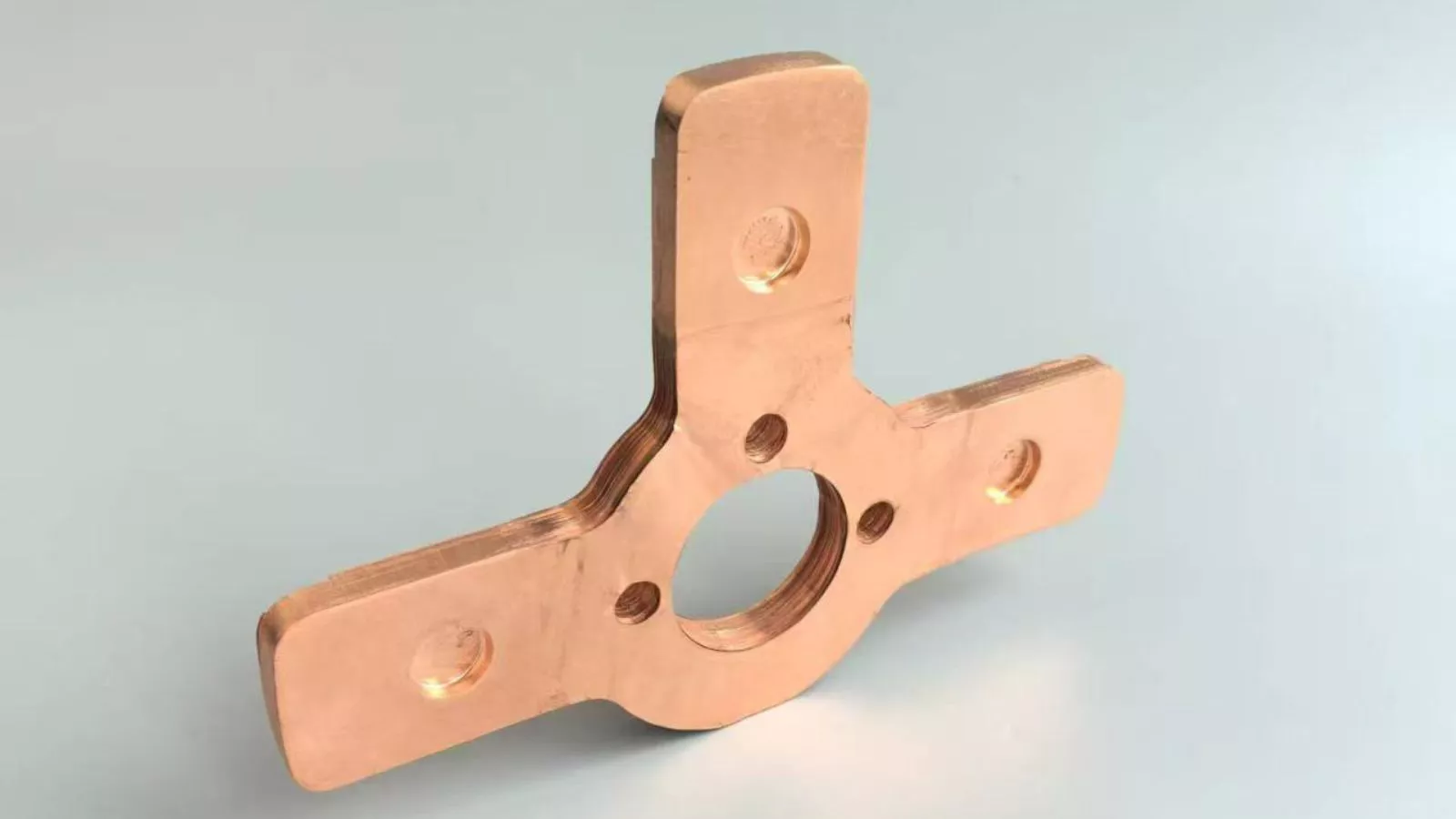
The most common materials for busbars are copper and aluminum. However, copper is usually the preferred choice for flexible busbar applications.
Copper offers excellent electrical conductivity, good thermal performance, and strong mechanical properties. These advantages make it suitable for high-current applications where reliability is critical.
| Material | Advantages | Limitations |
|---|---|---|
| Copper | High conductivity, excellent heat dissipation, reliable performance | Higher material cost |
| Aluminum | Lightweight and lower cost | Lower conductivity compared with copper |
For products such as flexible copper bar, flexible busbar copper, and cu flex busbar, copper remains the industry standard because it can carry high current in a relatively compact size.
In some applications, copper surfaces are also tin-plated to improve corrosion resistance and long-term connection stability.
Whether a flexible busbar needs insulation depends on the application environment and safety requirements.
Traditional busbars are often installed as exposed copper conductors inside electrical cabinets because they are placed in controlled environments with proper protection. This is why many people ask: Why aren't busbars insulated?
In many switchgear systems, leaving the copper surface exposed helps with heat dissipation and makes inspection easier. However, insulation becomes important when space is limited or when electrical safety requirements are higher.
For example, inside an EV battery pack, multiple conductive parts are located close together. An accidental contact between two copper conductors could cause a short circuit. An insulated flexible busbar adds an extra layer of protection and helps improve system safety.
Common insulation options include:
| Insulation Type | Features |
|---|---|
| PVC insulation | Cost-effective and suitable for general electrical protection |
| Heat shrink tubing | Easy installation and good protection against dust and contact |
| Epoxy coating | Provides strong mechanical and environmental protection |
| Silicone insulation | Suitable for high-temperature environments |
An insulated flexible busbar is commonly used in EV systems, battery storage, and compact electrical equipment where safety and space efficiency are important.
Flexible busbars provide many benefits, but they also have some limitations. Understanding both sides helps engineers select the right connection solution.
The main advantages include:
| Advantage | Description |
|---|---|
| Space saving | Fits into compact electrical designs with limited installation space |
| Easy installation | Can be bent and adjusted without complex routing |
| High conductivity | Copper construction supports efficient current transmission |
| Vibration resistance | Reduces stress caused by movement and thermal expansion |
However, flexible busbars also have some disadvantages:
| Disadvantage | Description |
|---|---|
| Higher material cost | Copper and manufacturing processes increase the initial cost |
| Application limitations | Not always necessary for simple fixed electrical connections |
| Customization requirements | Size, thickness, and insulation often need to match specific designs |
When comparing the advantages and disadvantages of busbars, the key question is not whether a busbar is always better, but whether it fits the electrical system requirements.
For a large industrial panel installed in a fixed location, a rigid copper busbar may be enough. For an EV battery pack exposed to vibration and temperature changes, a flexible busbar can provide much better reliability.
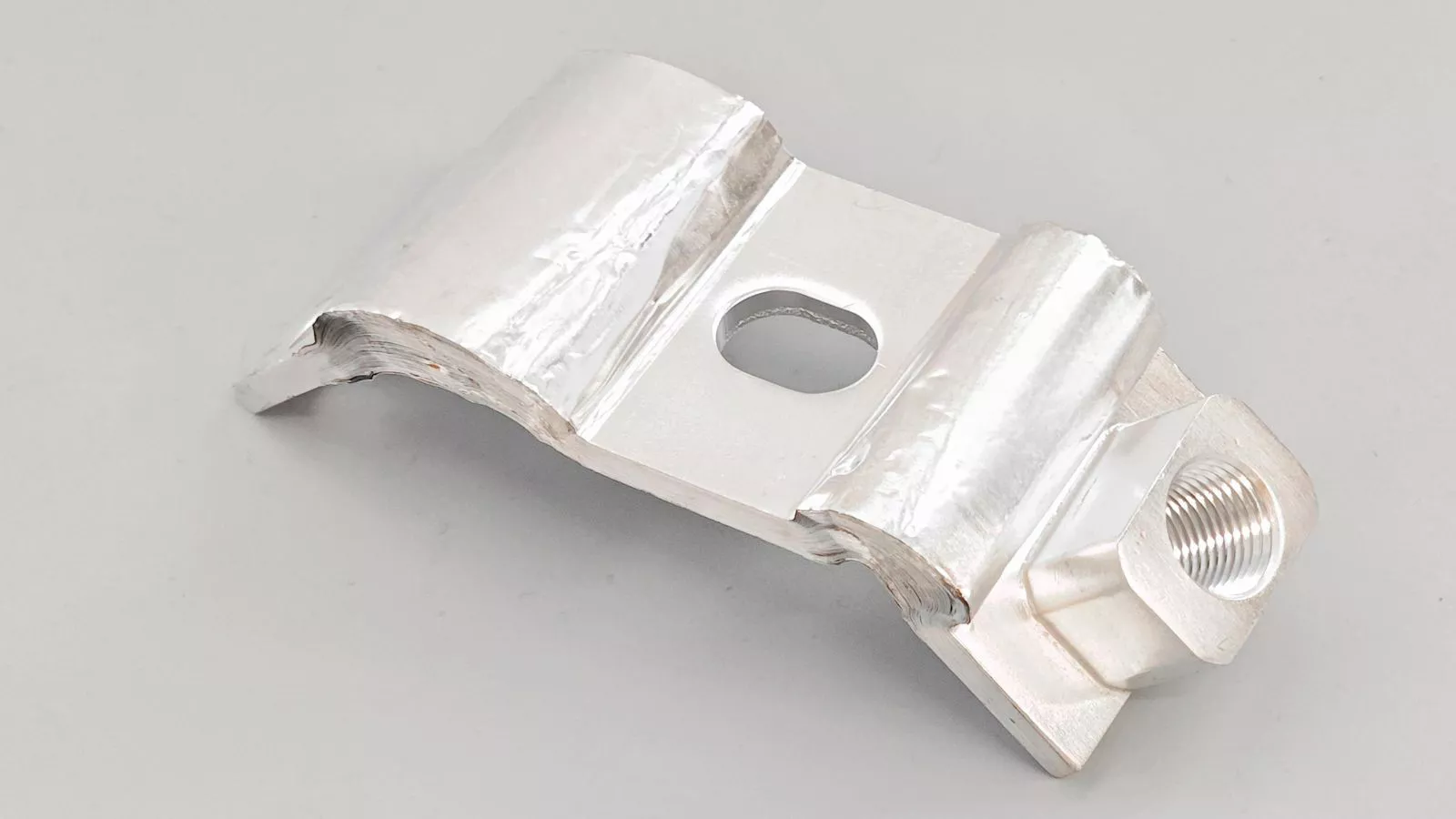
Selecting the right flexible busbar depends on the electrical requirements, installation environment, and mechanical conditions.
A suitable flexible busbar should not only carry the required current but also fit the physical design of the equipment.
The key factors to consider include:
| Selection Factor | What to Consider |
|---|---|
| Rated current | Choose a conductor size that can safely handle the required current load |
| Cross-sectional area | Affects current capacity and heat generation |
| Operating temperature | Important for applications with high heat or continuous operation |
| Flexibility requirements | Depends on installation space and movement conditions |
| Insulation requirements | Consider safety, protection level, and installation environment |
| Connector design | Terminal shape and mounting method should match the equipment |
For example, a battery manufacturer designing a compact energy storage system may need a laminated flexible busbar with insulation and customized terminals. A simple power cabinet may only require a standard copper flexible connector.
A professional flexible busbar supplier can help optimize the design by considering current capacity, bending requirements, insulation materials, and installation conditions together.
Common customization options include:
Flexible copper busbars are used for high-current connections in EV batteries, energy storage systems, switchgear, industrial equipment, and power distribution systems.
Busbars may have higher initial costs and require customized designs for complex applications. They are also less suitable for long-distance power transmission compared with cables.
Traditional busbars are often installed inside protected electrical enclosures, where exposed copper helps improve heat dissipation. Insulated flexible busbars are used when extra protection is required.
Copper is usually the preferred material because it offers excellent electrical conductivity, good thermal performance, and reliable long-term performance.
Busbars provide a more compact and efficient connection for high-current applications. Flexible busbars are easier to install in tight spaces and reduce wiring complexity.
Flexible busbars are commonly used in EVs, battery packs, energy storage systems, renewable energy equipment, switchgear, and industrial machinery.
A busbar is suitable for systems that require high current capacity, compact design, reliable connections, and efficient power distribution.
Busbars can be more expensive because they use high-quality copper materials and may require customized processing, plating, insulation, and precision manufacturing.
Flexible busbars provide a reliable solution for modern electrical systems that require high current capacity, compact design, and excellent mechanical flexibility. Compared with traditional cables and rigid copper busbars, they offer easier installation, better vibration resistance, and greater design flexibility, making them widely used in EV batteries, energy storage systems, switchgear, and industrial equipment.
Choosing the right flexible busbar requires careful consideration of current rating, copper material, insulation requirements, dimensions, and application environment. As an experienced Chinese manufacturer, SHZHJ specializes in customized flexible busbar solutions, including laminated copper busbars, insulated flexible busbars, and other copper connection components for different industries.
Whether you need a standard product or a customized design, our engineering team can help you select the right solution for your project. Contact SHZHJ today to discuss your requirements and get a professional quotation for your flexible busbar application.
*We respect your confidentiality and all information are protected.

This article explores the key differences between silver and copper conductors, focusing on resistance, performance, and real-world applications—understanding these factors is essential for making informed decisions.

This guide explains how flexible copper busbars work, how to select the right one, and why your choice directly impacts system reliability.

In the railway and heavy equipment industry, locomotive contacts are small but critical components that make or break electrical circuits inside contactors, relays, and switches.