
+86-21-37782156
info@shzhj.com
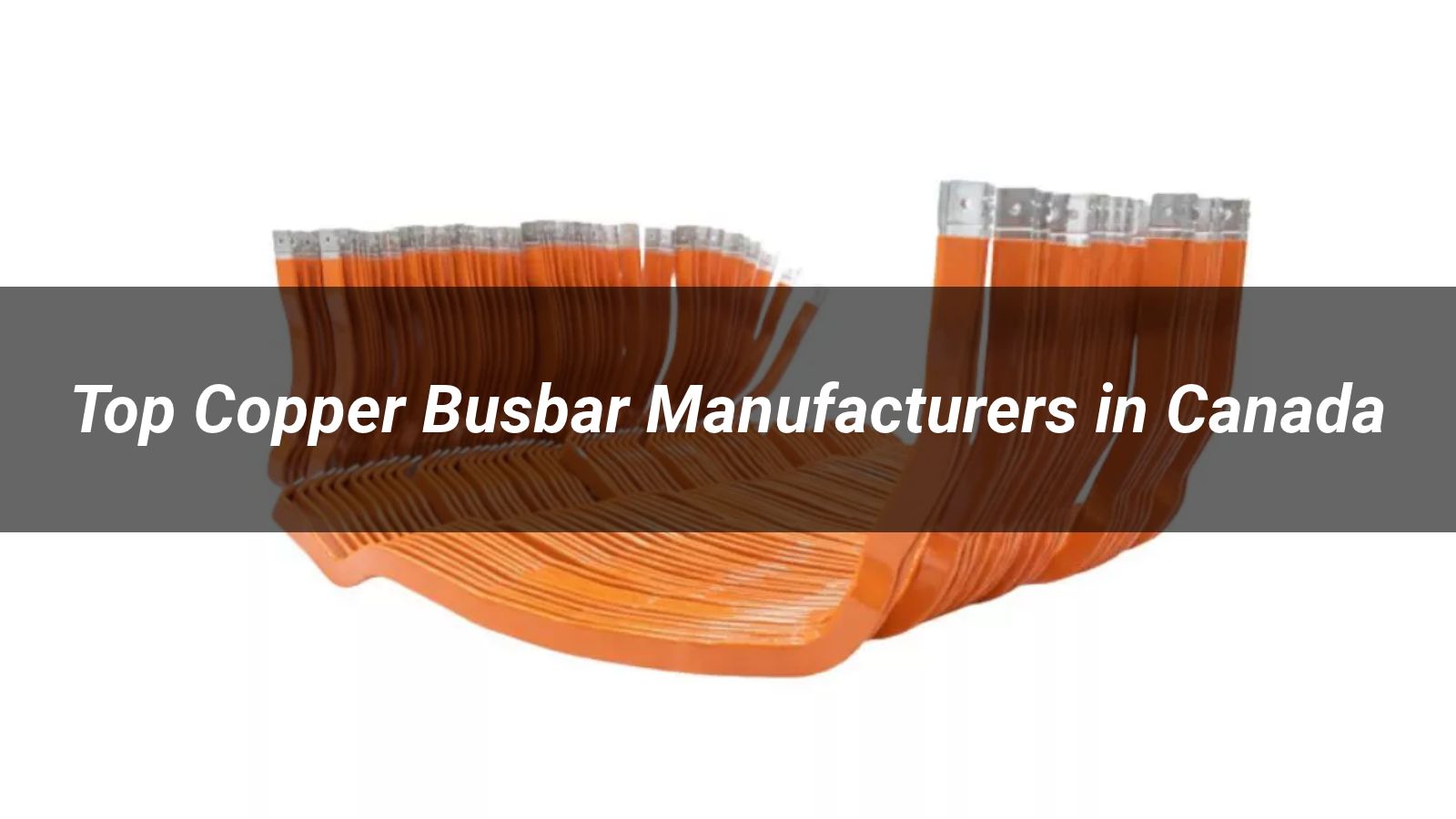
Canada’s copper busbar market is gaining importance as grid modernization, renewable energy projects, industrial electrification, and data center expansion increase demand for reliable power distribution components.
This guide identifies five manufacturers and suppliers relevant to Canadian buyers, with a focus on product range, custom fabrication capabilities, manufacturing experience, and suitability for different applications. It is particularly useful for:
From custom copper busbar fabrication to standard grounding and electrical busbar products, the right supplier can affect performance, lead times, quality, and project costs—so continue reading to compare the key options and find a suitable partner for your requirements.
Overview:
Based in Canada, Wesgar focuses on custom metal fabrication with strong capabilities in precision copper busbar manufacturing and electrical components. Its production services include cutting, punching, bending, plating, coating, and assembly, supporting busbars built around specific dimensions and electrical requirements. Wesgar also handles projects from prototyping to volume production for OEM and industrial applications.
Founded: 1979
Location: Surrey, British Columbia, Canada
Copper Busbar Capabilities:

Overview:
With extensive experience in electrical connection technology, ILSCO provides copper busbars along with grounding and bonding components for power distribution systems. Its product range serves commercial, industrial, and electrical installation applications, covering both standard products and solutions designed for specific system requirements. Canadian customers can access its products through dedicated Canada-focused distribution channels.
Founded: 1895
Headquarters: Cincinnati, Ohio, USA
Busbar Products:

Overview:
Hubbell offers busbars and a broad range of electrical products for grounding, bonding, power distribution, and infrastructure applications. Its Canadian product portfolio includes busbar solutions designed for commercial and industrial electrical systems. The company combines established electrical manufacturing capabilities with a wide distribution network serving professional electrical markets.
Founded: 1888
Headquarters: Shelton, Connecticut, USA
Busbar Products:
Overview:
Serving Canadian metal buyers, Metals 'R' Us supplies copper flat bar and other non-ferrous metal products for fabrication and electrical applications. Its copper stock provides a practical option for customers looking for standard material that can be cut or further processed to project requirements. The company primarily fits sourcing needs where material availability, dimensions, and flexible ordering are key considerations.
Founded: 1997
Location: Dartmouth, Nova Scotia, Canada
Copper Products:
Overview:
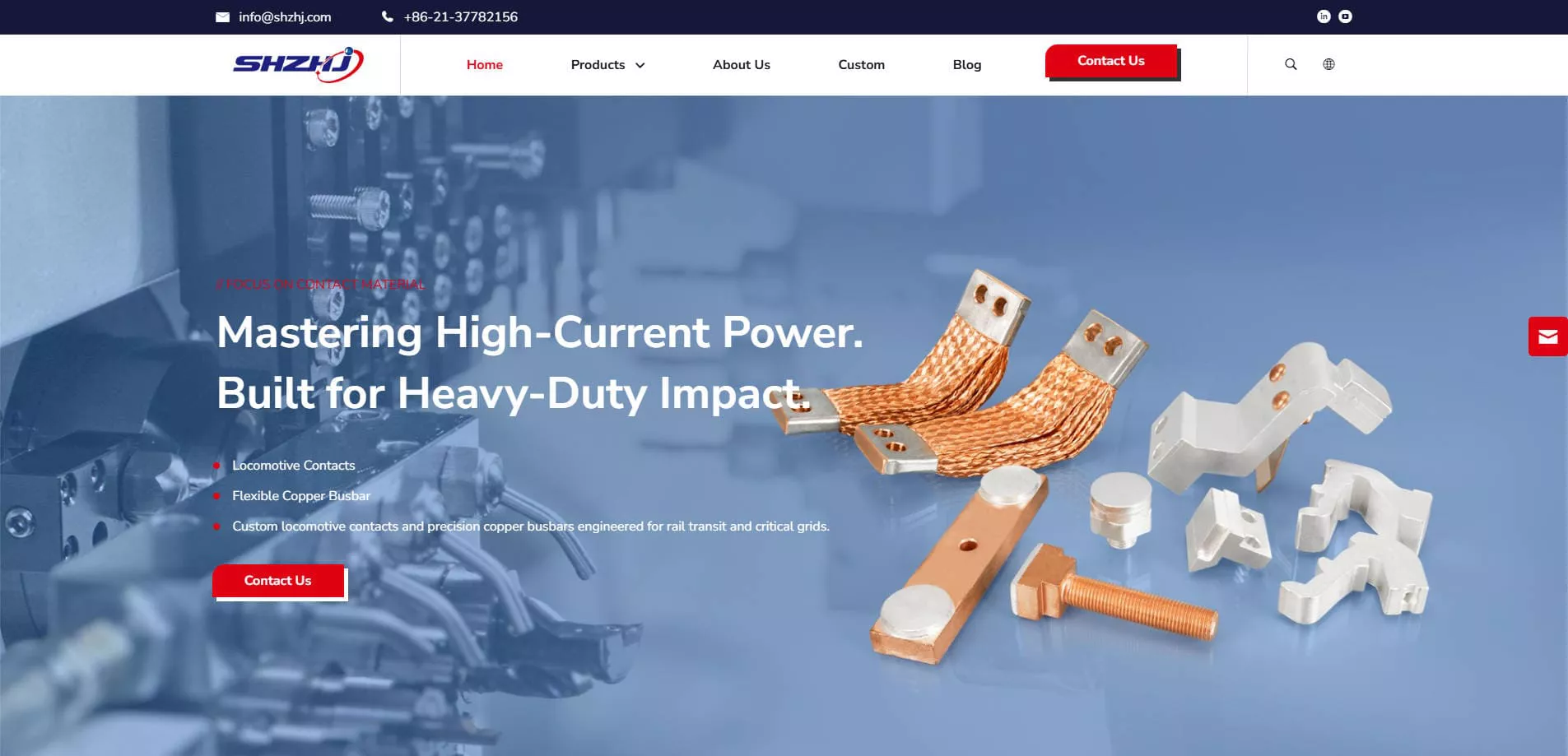
SHZHJ focuses on custom copper busbar manufacturing for power distribution, electrical equipment, and industrial applications. Its capabilities cover rigid, flexible, laminated, and plated copper busbars, with production based on drawings, CAD files, samples, or technical specifications. For Canadian buyers, SHZHJ provides an overseas sourcing option for projects requiring customized dimensions, materials, insulation, or surface finishes.
Founded: 2007
Location: Songjiang District, Shanghai, China
Copper Busbar Products:
The price depends on the copper grade, dimensions, quantity, and fabrication. A simple C110 copper flat bar costs less than a finished busbar with holes, bends, and plating.
| Cost Factor | What Affects the Price? |
|---|---|
| Copper grade | C110, C101, or other grades |
| Size | Width, thickness, and length |
| Fabrication | Cutting, drilling, punching, and bending |
| Surface finish | Bare, tin-plated, or silver-plated |
| Order volume | Prototype, small batch, or production run |
| Shipping | Distance, weight, and delivery location |
A Toronto panel builder ordering 20 custom busbars may pay more per piece than an OEM ordering 5,000 identical parts. However, larger production runs can reduce fabrication and setup costs per unit.
Copper busbars appear wherever equipment must move high electrical currents safely and efficiently. Several Canadian industries have particularly strong applications.
EV and battery manufacturing: Ontario and Quebec are expanding battery and electric-vehicle supply chains. Factory equipment, battery systems, and power distribution assemblies can all require custom copper busbars.
Mining and mineral processing: Remote mines and processing facilities need rugged electrical distribution systems. Copper busbars can provide compact, low-resistance connections inside switchgear and control equipment.
Data centers: High-density computing creates large electrical loads. Busbars help distribute power through switchboards, power distribution units, and other equipment.
These applications create different requirements. A battery plant may need precision-fabricated busbars, while a mining operation may prioritize durability, serviceability, and reliable replacement supply.
Canada’s expanding electricity infrastructure creates demand for compact and reliable current-carrying components. Copper busbars are commonly found inside:
For example, inside a large industrial switchboard, several copper bars may run side by side like polished rails, carrying current between incoming power connections and outgoing circuits.
Canadian sourcing tip: For projects spanning multiple provinces, check lead times, fabrication capacity, freight costs, and replacement availability—not just the initial busbar price.
As Canadian electricity demand grows, choosing the right busbar material, configuration, and supplier can help keep electrical systems reliable and easier to maintain.
C110/ETP copper is a common choice because of its high electrical conductivity, good thermal performance, and formability. C110 is widely available from Canadian metal suppliers in flat bar and other forms.
Yes. Canadian fabricators can cut, punch, bend, and finish copper busbars to drawings. For example, Vectis Manufacturing in Ontario offers custom C110 busbar fabrication and Canada-wide shipping.
A copper flat bar is usually raw material. A finished busbar may include cutting, holes, bends, plating, insulation, or other machining required for direct installation.
Tin plating is useful where improved surface protection, solderability, and long-term contact stability are important. It is commonly considered for power distribution, switchgear, EV, and energy-storage applications.
Yes. For example, SHZHJ in China manufactures custom copper busbars from customer drawings and offers CNC bending, punching, forming, plating, and insulation options.
Choosing a copper busbar supplier in Canada is not only about comparing product prices. Material grade, dimensions, fabrication, plating, quality control, lead time, and shipping can all affect the final result. For a standard C110 flat bar, a metal supplier may be sufficient; for a complex high-current component, a specialized manufacturer may offer more suitable engineering and production support.
If your project requires a custom copper busbar rather than a standard catalog part, SHZHJ is another sourcing option to consider. As a China-based direct factory, SHZHJ provides custom flexible, laminated, plated, and rigid copper busbars based on 2D drawings, 3D CAD files, samples, or technical specifications, with options including C11000/Cu-ETP copper, tin, silver, and nickel plating.
Send your drawing, sample, or specifications to SHZHJ to discuss material, dimensions, plating, insulation, and production requirements and request a quotation.
*We respect your confidentiality and all information are protected.

This article explores the key differences between silver and copper conductors, focusing on resistance, performance, and real-world applications—understanding these factors is essential for making informed decisions.

This guide explains how flexible copper busbars work, how to select the right one, and why your choice directly impacts system reliability.

In the railway and heavy equipment industry, locomotive contacts are small but critical components that make or break electrical circuits inside contactors, relays, and switches.