
+86-21-37782156
info@shzhj.com

Flexible electrical copper braided connectors are designed for electrical connections that need both conductivity and movement.
Unlike a rigid copper bar, a braided connector can flex, absorb vibration, and accommodate small changes caused by thermal expansion.
They are commonly used between busbars, electrical equipment, grounding points, and other conductive components where a fixed connection may experience mechanical stress.
A copper braided connector uses many fine copper strands woven into a flexible conductive path. The strands move slightly against each other as the connector bends.
The result is simple: electricity flows through copper, while the braided structure provides the flexibility that a solid conductor cannot easily provide. During operation, the equipment heats up. The metal expands, the connection shifts slightly, and vibration may continue throughout the day.
A rigid connection resists this movement. A braided connector can flex with it, helping reduce mechanical stress on the connection points.
The ends are normally fitted with terminals, ferrules, lugs, or other connection components. These provide a secure interface with the equipment while the braided section handles movement.
This makes braided copper connectors useful when a connection must remain electrically reliable without being completely rigid.
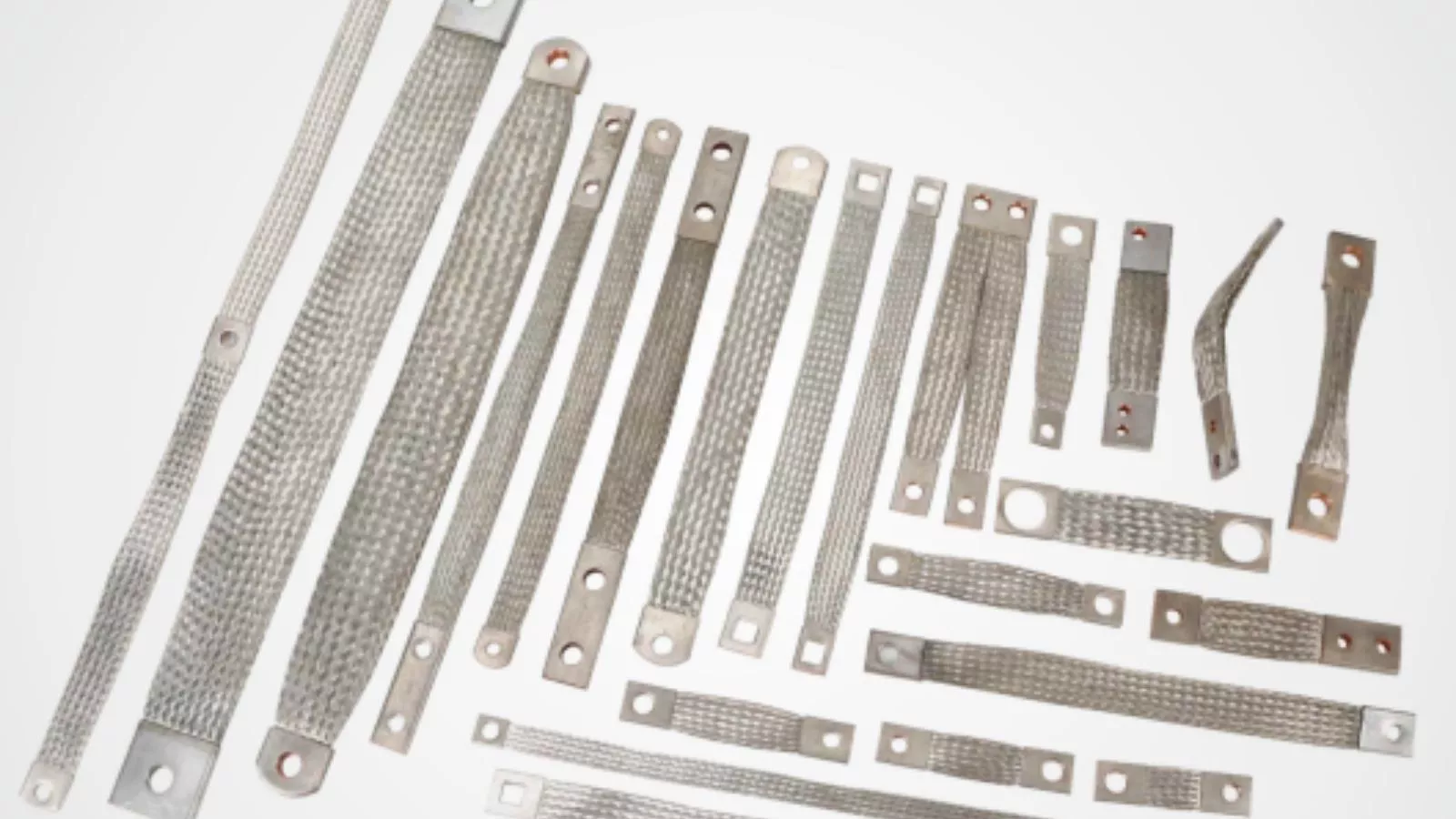
Electrical equipment rarely stays perfectly still or at one temperature. Copper braided connectors help deal with these real-world conditions.
1. High electrical conductivity
Copper provides an efficient path for electrical current. With the proper cross-sectional area and connection design, braided copper connectors can be used for a wide range of power and grounding applications.
2. Flexibility during movement
A rigid busbar works well when two connection points remain fixed. But some equipment moves, vibrates, or changes position slightly during operation.
3. Thermal expansion
Electrical conductors heat up when carrying current. As temperature changes, copper expands and contracts.
A flexible connector can absorb part of this movement. This is particularly useful in busbar systems and connections between large electrical components.
4. Easier installation
Not every electrical connection has a straight, open path. A braided connector can bend around equipment and fit into tighter spaces.
For example, when two copper busbars are slightly offset, a flexible connection can bridge the gap without requiring the entire busbar arrangement to be redesigned.
In practice, the main advantage is the combination of electrical conductivity and mechanical flexibility. This is why copper braided connectors are widely considered for applications where a rigid copper connection may be too restrictive.
Flexible busbar connectors are used where electrical connections need to handle movement, vibration, or thermal expansion.
Common applications include:
A simple example: two rigid busbars may be correctly aligned during installation but move slightly as equipment heats and cools. A flexible connector acts like a small mechanical buffer between them.
This makes busbar flexible connectors useful in both power distribution equipment and industrial electrical systems.
The two common designs are braided copper connectors and laminated copper flexible connectors. Their structures are different, so the better choice depends on the application.
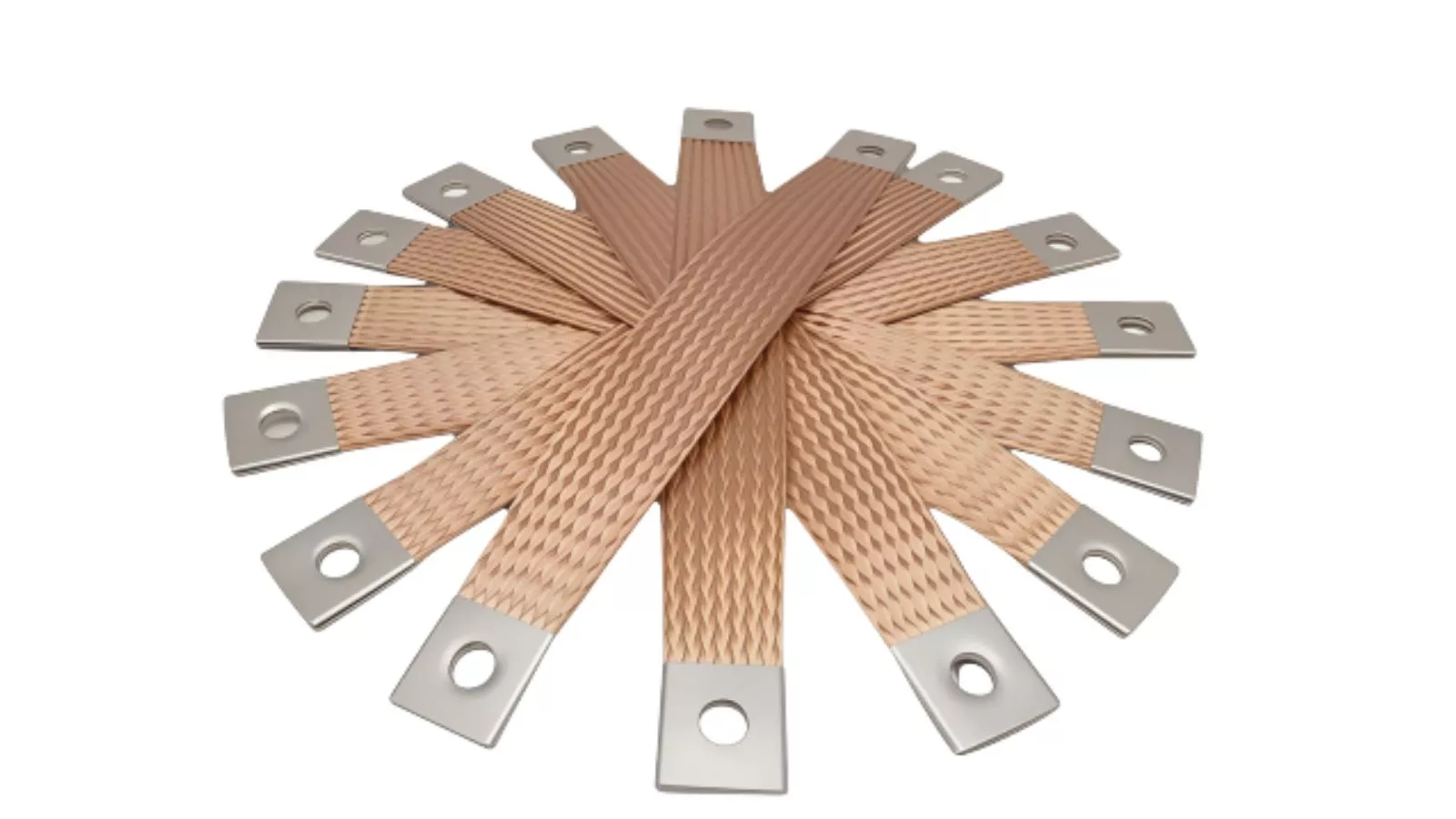
Braided connectors are made from multiple fine copper strands woven into a flexible braid.
They are valued for high flexibility and vibration absorption. This makes them suitable for grounding, bonding, equipment connections, and flexible links between conductive components.
The braid can be produced in different widths, lengths, and configurations. Terminals can also be added to match the mounting requirements.
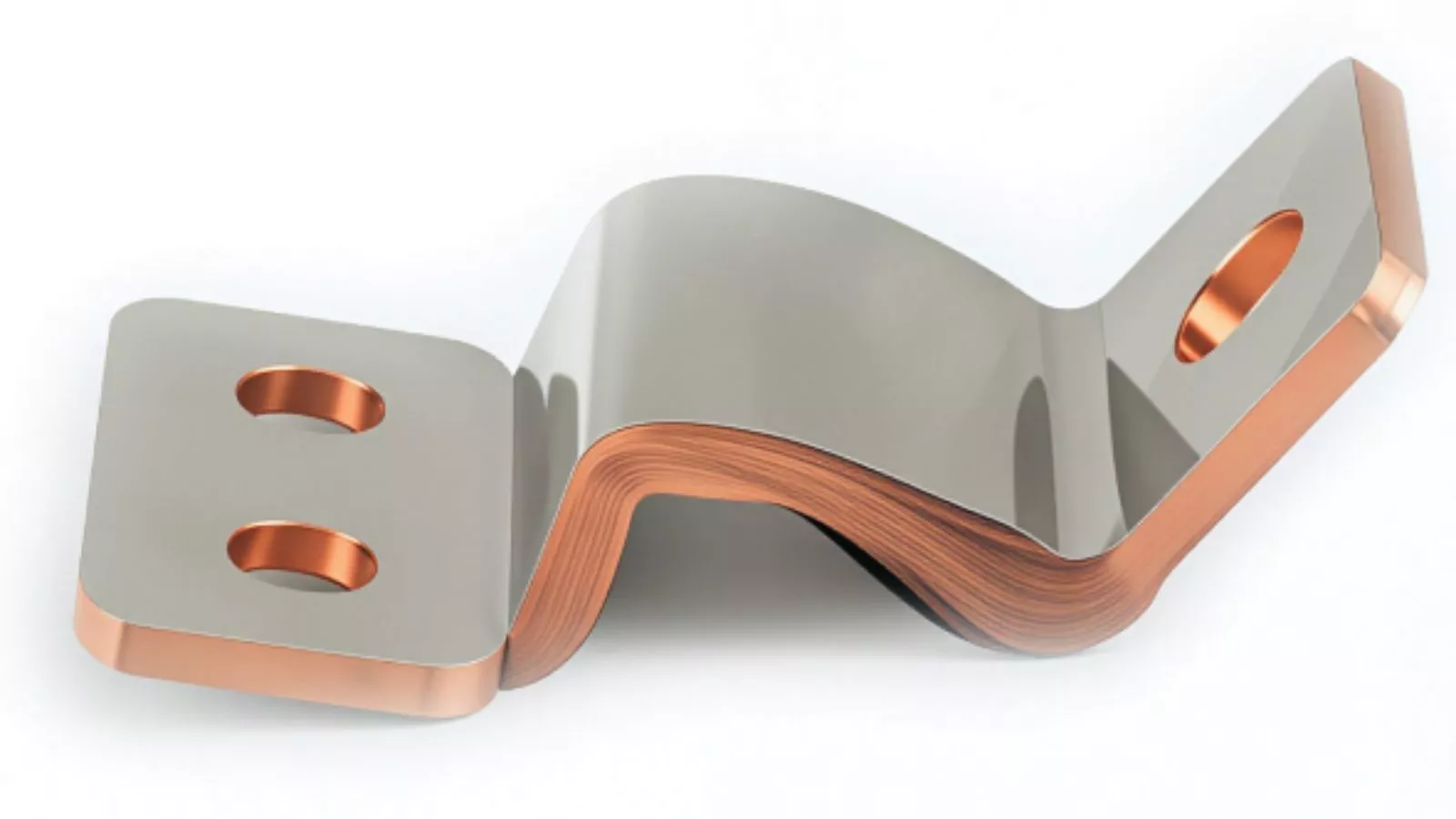
Copper laminated flexible connectors are made from multiple layers of thin copper foil joined together.
Instead of looking like a woven strap, they have a flat, compact profile. This design is useful for high-current busbar connections and applications where installation space is limited.
Compared with braided designs, laminated connectors are often chosen when a flat conductor is easier to integrate into the equipment layout.
The following comparison gives a quick overview of the two designs.
| Feature | Braided Copper Connectors | Laminated Copper Connectors |
|---|---|---|
| Structure | Woven copper strands | Multiple copper foil layers |
| Flexibility | Very high | High |
| Profile | Flexible braid or strap | Flat and compact |
| Typical applications | Grounding, bonding, flexible connections | Busbars and high-current connections |
Both designs provide a flexible alternative to a fully rigid copper connection. The final choice depends on current, available space, movement, and mounting requirements.
Choosing a connector starts with the electrical requirements, but mechanical conditions matter just as much.
Current rating is usually the first consideration. The required ampacity affects the copper cross-sectional area, braid size, and number of braids.
Then consider the physical connection:
Material and environment should also be considered. Bare copper may suit some applications, while tinned copper can be useful where additional corrosion resistance is required.
For outdoor, high-temperature, or enclosed applications, the operating environment should be reviewed before selecting the final construction.
A practical approach is to provide the supplier with the current requirement, dimensions, mounting details, and operating conditions. This gives the manufacturer enough information to recommend the appropriate connector design.
Yes. Flexible copper braided connectors are commonly manufactured to specific electrical and mechanical requirements.
Customization can include:
If you have a drawing, sample, or basic specification, the connector can be designed around your required current, dimensions, connection points, and installation conditions.
For custom projects, providing the current rating, dimensions, terminal details, and application environment is a good starting point.
Yes. Their current capacity depends on factors such as copper cross-sectional area, braid size, number of braids, and operating conditions. The connector should be sized according to the required continuous current.
Yes. They are commonly used for grounding and bonding applications. However, the connector should be selected according to the specific grounding requirements and applicable standards.
Key factors include conductor size, braid construction, number of braids, connector length, ambient temperature, and installation conditions.
Braided connectors use woven copper strands and offer excellent flexibility. Laminated connectors use stacked copper foils and provide a flat, compact form for applications such as busbar connections.
Yes. Length, width, braid size, terminals, hole patterns, plating, insulation, and other specifications can be customized to suit the application.
Flexible copper braided connectors provide a practical way to combine electrical conductivity with mechanical flexibility. They can accommodate vibration, thermal expansion, and small movements while maintaining a reliable conductive connection. The right design depends on current capacity, dimensions, terminals, installation space, and operating environment.
For projects requiring specific dimensions or connection configurations, customization can be more effective than choosing an off-the-shelf connector. SHZHJ provides flexible copper connection solutions for different electrical and industrial applications, with options for customized sizes, terminals, plating, and other requirements.
If you have a drawing, sample, or technical specification, you can contact SHZHJ to discuss your requirements and request a suitable solution.
*We respect your confidentiality and all information are protected.

This article explores the key differences between silver and copper conductors, focusing on resistance, performance, and real-world applications—understanding these factors is essential for making informed decisions.

This guide explains how flexible copper busbars work, how to select the right one, and why your choice directly impacts system reliability.

In the railway and heavy equipment industry, locomotive contacts are small but critical components that make or break electrical circuits inside contactors, relays, and switches.