
+86-21-37782156
info@shzhj.com
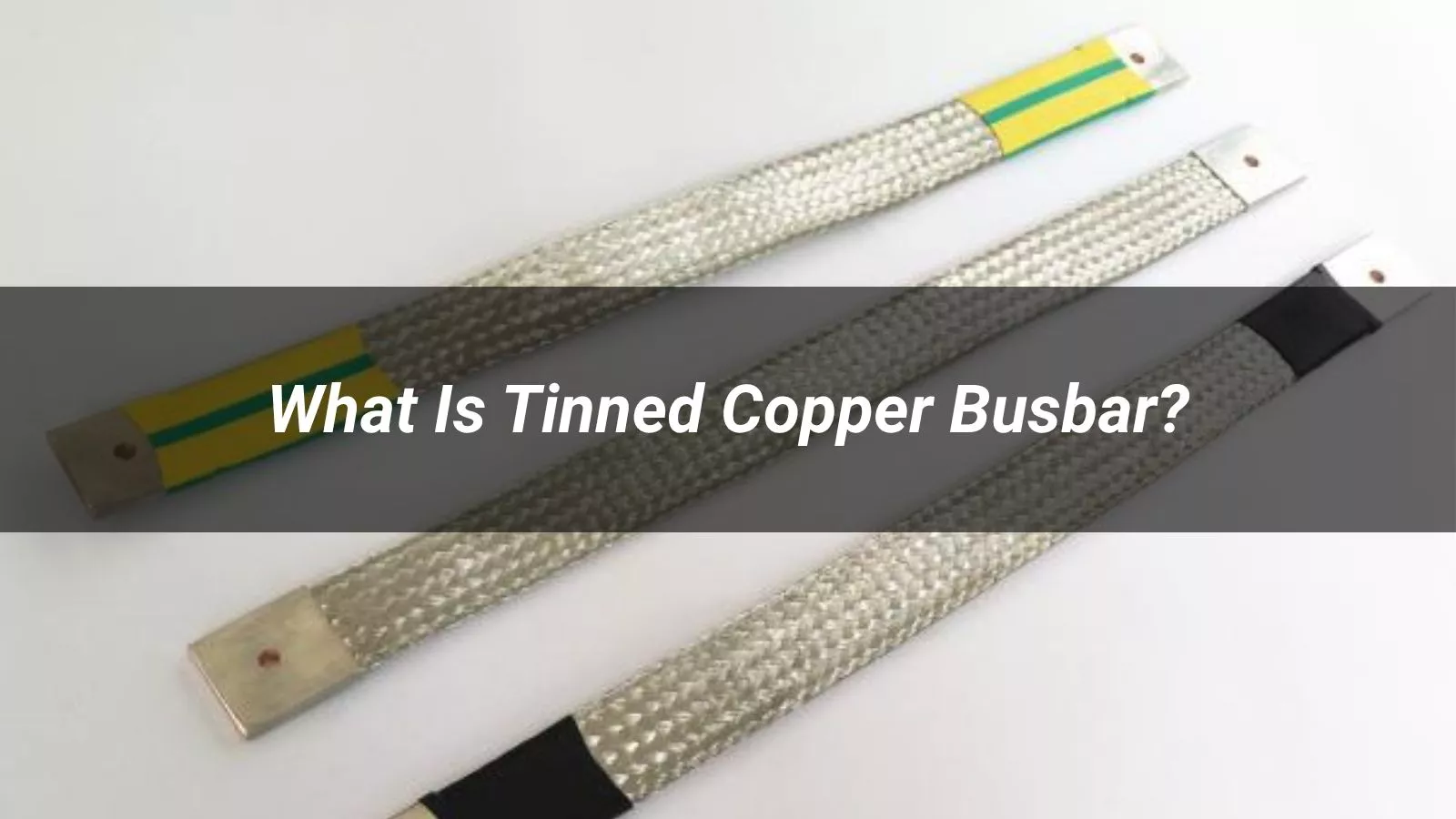
A tinned copper busbar is a copper conductor coated with a thin layer of tin. It carries high current between components in electrical systems. The tin layer gives the copper a clean, silver-white finish and shields it from the environment.
Copper conducts exceptionally well, but it oxidizes when exposed to air. Within weeks, a shiny copper surface turns dull brown. In humid or coastal settings, it can develop green corrosion spots within months. That oxide layer raises contact resistance, generates heat, and weakens connections over time.
Tin plating stops this process. It forms a barrier between the copper and the surrounding air, moisture, and pollutants. The result is a busbar tinned copper conductor that stays clean, conducts reliably, and lasts far longer than bare copper.
Today, tinned copper busbars are essential in EV battery packs, energy storage systems, solar inverters, switchgear, and industrial power distribution. They handle the high currents these systems demand while resisting corrosion in demanding environments.
_1787975597_WNo_1600d900.webp)
A tinned copper busbar has two key layers. Each layer serves a distinct purpose in performance and durability.
The core is high-purity copper. Most manufacturers use T2 copper, also known as C11000. This grade delivers conductivity above 100% IACS and bends, punches, and forms without cracking.
Picture an EV battery module. The busbar must carry hundreds of amps through a space barely wider than a finger. T2 copper handles that current with minimal heat loss, and it can be shaped to fit around cell terminals and mounting holes. That combination of conductivity and formability is why it is the standard core material for copper tinned busbar products.
The outer layer is tin, applied by electroplating or hot-dip processing. Typical thickness ranges from 3 to 15 micrometers, customized to the operating environment.
Run your finger across a freshly plated busbar. The surface is smooth, bright, and uniform to the touch. That finish is not cosmetic. The tin seals every grain of the copper beneath, blocking oxygen and moisture from reaching the surface.
Example: A coastal energy storage facility installed bare copper busbars. Within six months, salt spray left green corrosion spots on every bolted connection. After switching to tinned copper busbars, the same connections showed no visible corrosion after two years of service.
The two layers work together. The table below summarizes what each layer contributes.
| Layer | Material | Primary Function |
|---|---|---|
| Core | T2 / C11000 copper | High current conductivity, mechanical strength |
| Coating | Tin (3–15 μm) | Corrosion protection, oxidation resistance, stable contact |
Together, these layers create a conductor that performs like pure copper but survives far longer in real-world conditions.
This is the question every procurement engineer asks. If copper conducts so well, why add tin at all?
The answer lies in what happens to copper over time. Exposed copper reacts with oxygen in the air. A shiny new busbar, left on a shelf for a few weeks, comes back dull and brown. In a humid factory or near the coast, that same busbar can sprout green corrosion deposits within months.
That oxide is not harmless. It is an insulator. When two oxidized copper surfaces are bolted together, current must push through the oxide to flow. The result is higher contact resistance, more heat at the joint, and a greater risk of connection failure under load.
Tin breaks this chain. It oxidizes very slowly, and the oxide it forms is thin and electrically conductive. A tinned surface maintains low, stable contact resistance year after year, even in environments that would destroy bare copper.
Field story: A switchgear manufacturer tested bare and tinned copper busbars side by side in an accelerated aging chamber. After 500 hours of salt spray, the bare copper connections showed a 35% increase in contact resistance. The tinned copper connections showed less than a 2% change.
The benefits go beyond corrosion alone. Here is what tin plating delivers in practice.
The difference becomes clear when you compare the two options directly.
| Feature | Bare Copper Busbar | Tinned Copper Busbar |
|---|---|---|
| Surface appearance | Reddish-brown, dulls over time | Silver-white, stays bright |
| Oxidation resistance | Low — oxidizes within weeks | High — tin oxidizes very slowly |
| Corrosion in salty/humid environments | Poor — green deposits in months | Good — no corrosion for years |
| Contact resistance over time | Increases significantly | Stays stable |
| Typical service life | Shorter, requires maintenance | Longer, low maintenance |
For applications where downtime is costly, tin plating is not an upgrade — it is a requirement. Ready to specify tinned copper busbars for your next project?
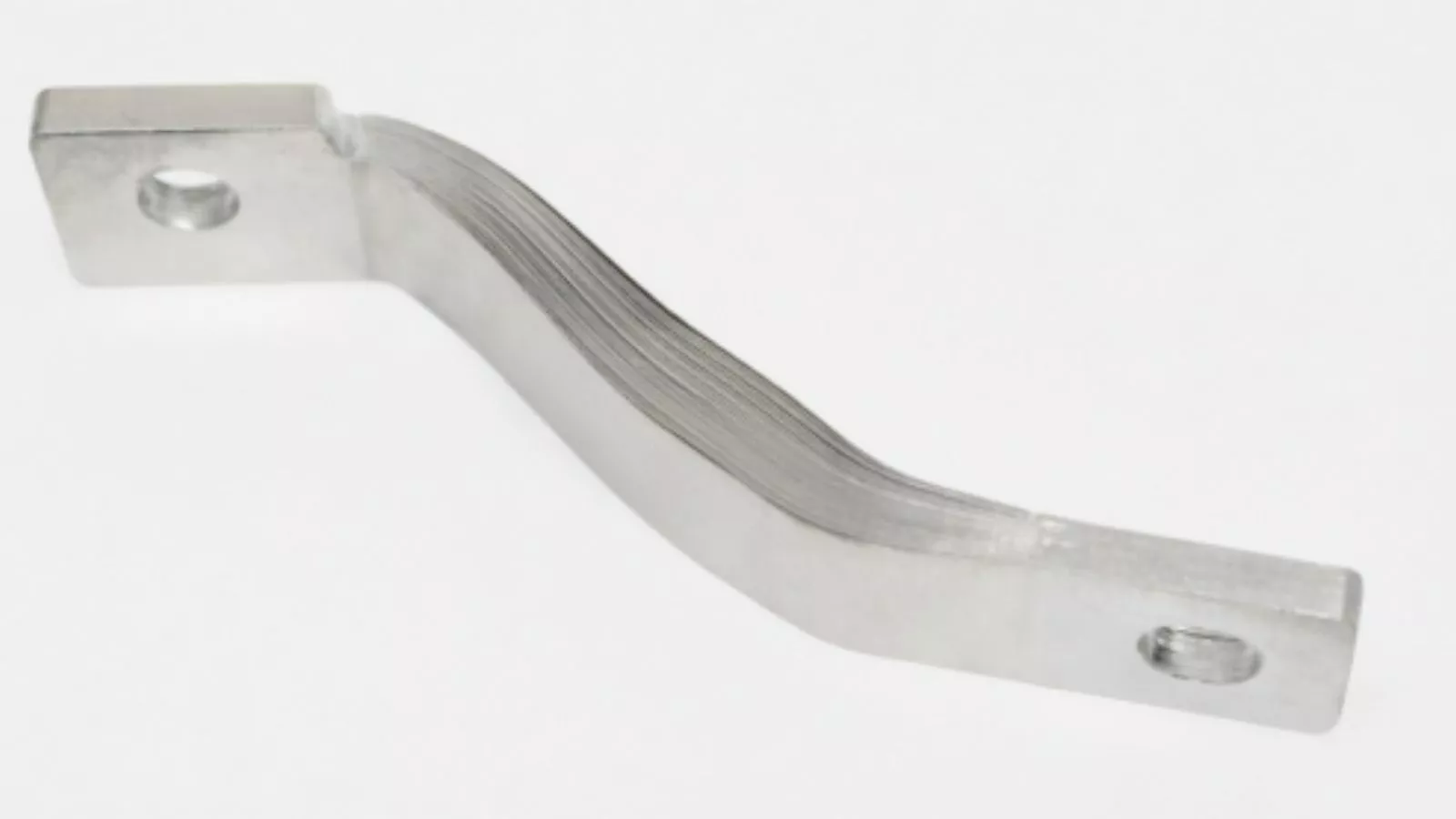
Why do engineers specify tinned copper busbars instead of bare copper? The advantages come down to performance under real-world stress.
Example: A solar inverter manufacturer tested bare and tinned copper busbars in an outdoor installation near the coast. After 18 months, the bare copper busbars showed visible green corrosion at every terminal and required full replacement. The tinned copper busbars on the same site still had a bright, clean surface and measured within spec.
These benefits make tinned copper busbars the standard choice for EV battery systems, energy storage installations, and industrial power equipment where downtime is costly.
Getting the specification right ensures the busbar performs safely and lasts for years. Below is a typical specification range for reference.
The following table covers the key parameters most buyers need to confirm before ordering.
| Item | Description |
|---|---|
| Material | High purity copper |
| Copper Grade | T2 / C11000 |
| Tin Plating Thickness | Customized (typically 3–15 μm) |
| Width & Thickness | Customized |
| Surface Treatment | Tin plated |
| Processing | Cutting, punching, bending |
| Standards | RoHS / REACH |
Every project is different. Use the four factors below to narrow down the right specification for your application.
Tip: If you are unsure about plating thickness, start with 5–8 μm for general indoor use and 10–15 μm for outdoor or coastal applications. A reliable supplier can recommend the right thickness based on your actual environment.
Sharing your current rating, environment, and mounting dimensions with the supplier upfront will get you an accurate quote faster.
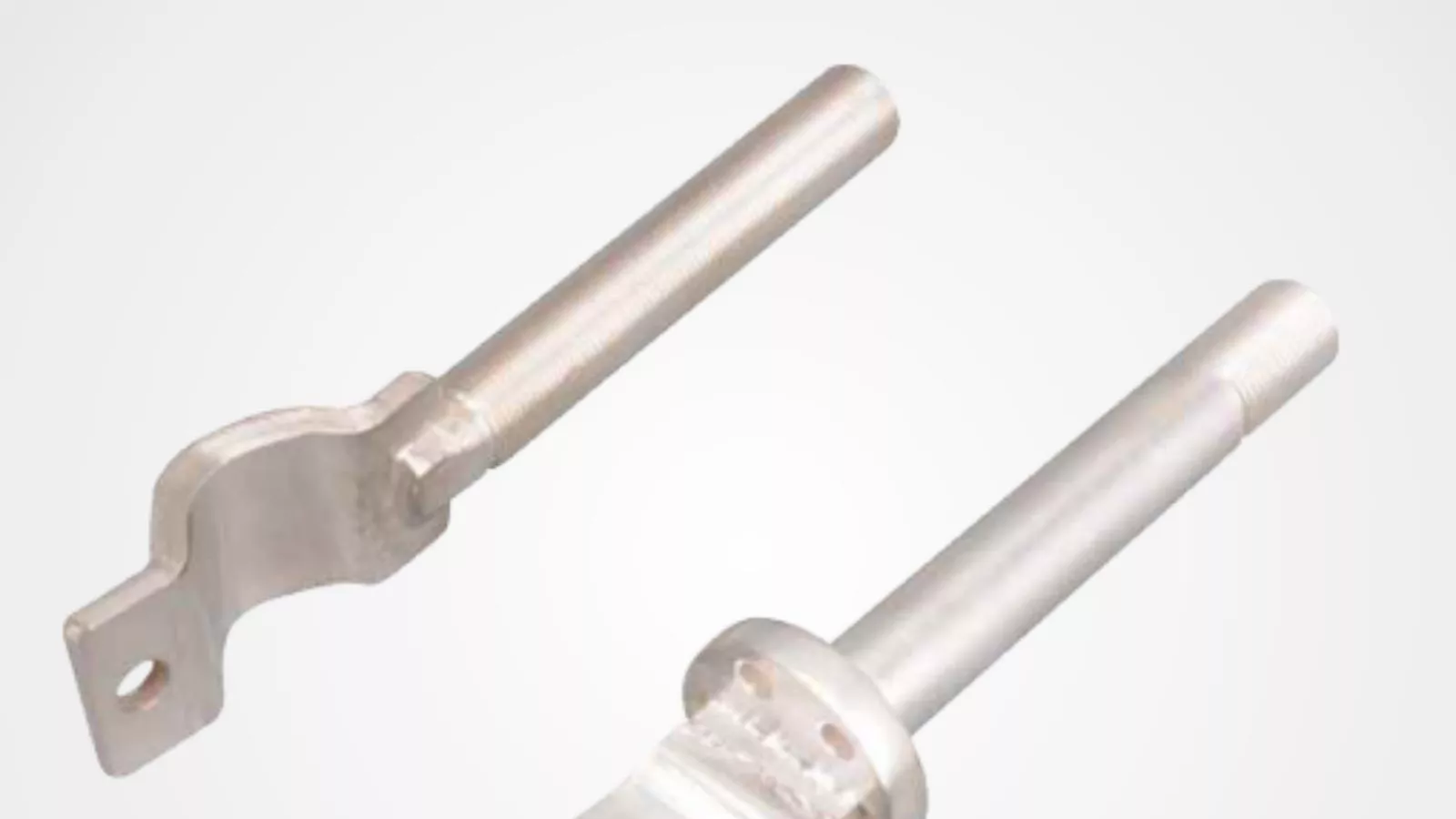
Tinned copper busbars appear wherever high current must flow reliably in less-than-ideal conditions. Here are the most common use cases.
Real-world scene: Walk into a containerized ESS installation on a windy hillside. Inside, rows of battery racks hum quietly. Tinned copper busbars run between each rack, their silver surfaces still bright after three years of humidity and temperature swings. No corrosion, no hot spots, no unplanned downtime.
Across all these applications, the core need is the same: high current, stable contact, and long life in environments that would degrade bare copper.
The busbar is only as good as the manufacturer who makes it. Here is what to evaluate when comparing suppliers.
If your project requires OEM or ODM service, confirm the supplier supports custom dimensions, hole positions, bending shapes, and special coating requirements. A supplier who can produce prototypes quickly and adjust based on your feedback will save time during product development.
Procurement tip: Request samples before placing a bulk order. Check the plating finish under bright light — it should be uniform, smooth, and free of dark spots or exposed copper. Measure the thickness at the edges, where plating is often thinnest.
Taking the time to verify these five areas will help you avoid costly quality issues down the line. Looking for a tinned copper busbar supplier you can rely on?
It depends on the environment. Bare copper costs less and offers slightly lower initial contact resistance. Tinned copper resists oxidation and corrosion, making it the better choice for humid, coastal, or long-service-life applications.
Tinned copper is used in EV battery packs, energy storage systems, solar inverters, switchgear, and industrial power distribution — anywhere high current must flow reliably under demanding conditions.
Yes. Tinned copper busbars are widely used in electric vehicle battery systems and automotive power distribution. They handle vibration, temperature cycling, and moisture well, keeping connections stable over the vehicle's lifetime.
Tinned copper busbars combine the natural conductivity of copper with the protective benefits of tin. The copper core carries high current with minimal loss, while the tin coating guards against oxidation, corrosion, and contact degradation. For EV battery systems, energy storage installations, and industrial power equipment, this combination delivers reliable performance over a long service life.
Choosing the right specification matters. Current capacity, operating environment, mechanical requirements, and installation space all influence the design. A busbar that works in a dry control room may not survive a coastal energy storage facility. Partnering with an experienced manufacturer ensures the material grade, plating thickness, and dimensions match your actual application.
SHZHJ is a China-based manufacturer of custom tinned copper busbars for EV, ESS, and industrial power applications. We support OEM and ODM orders with custom sizes, hole positions, bending shapes, and plating specifications. Tell us your requirements and we will get back to you with a competitive quote.
*We respect your confidentiality and all information are protected.

This article explores the key differences between silver and copper conductors, focusing on resistance, performance, and real-world applications—understanding these factors is essential for making informed decisions.

This guide explains how flexible copper busbars work, how to select the right one, and why your choice directly impacts system reliability.

In the railway and heavy equipment industry, locomotive contacts are small but critical components that make or break electrical circuits inside contactors, relays, and switches.