
+86-21-37782156
info@shzhj.com
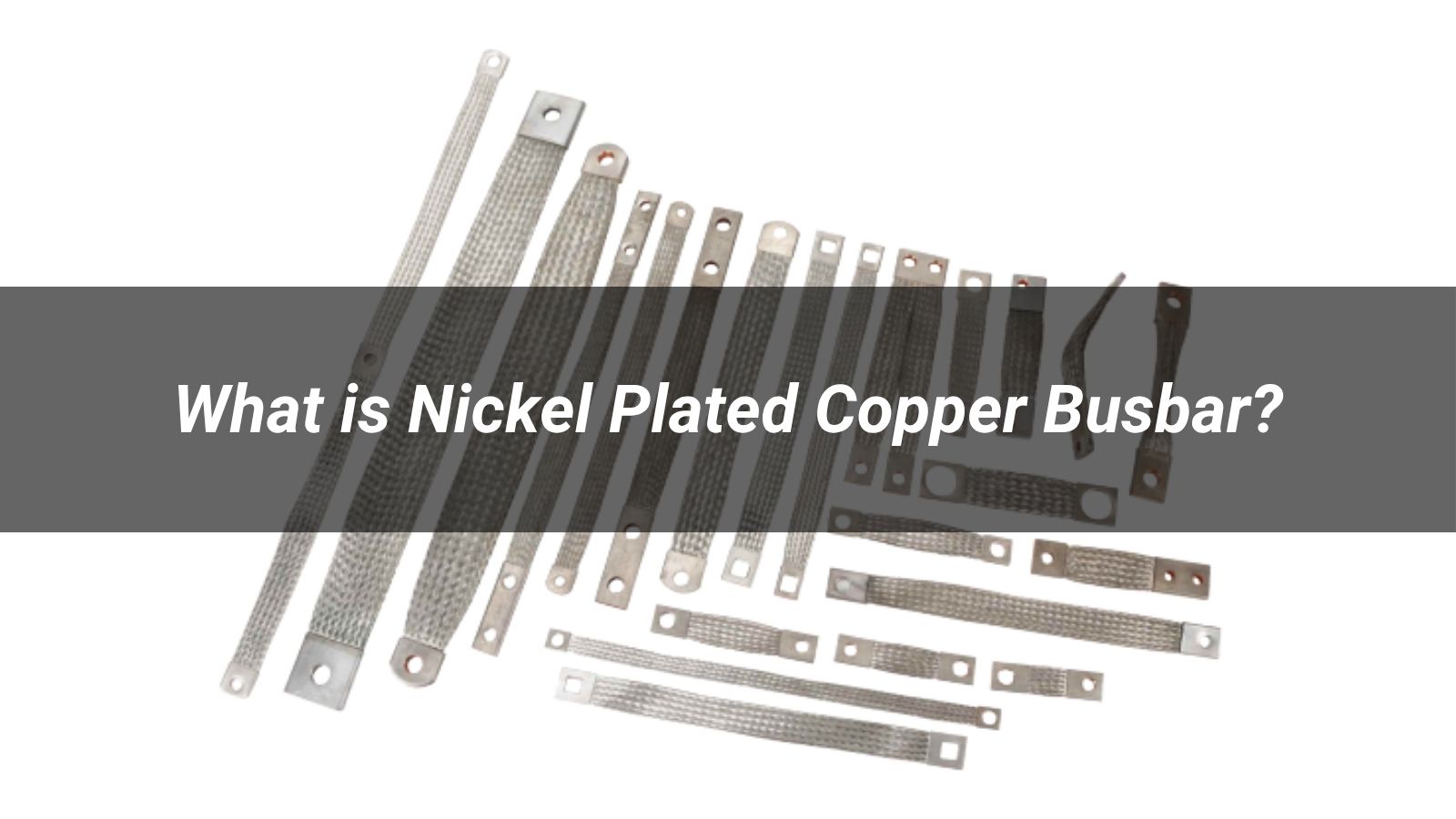
Nickel plated copper busbar solutions are becoming increasingly important as industries demand more reliable, durable, and efficient electrical connections. With the rapid growth of electric vehicles, energy storage systems, and high-power equipment, manufacturers are looking for busbar solutions that can deliver stable performance in challenging environments.
A nickel plated copper busbar is a copper conductor with a protective nickel coating that improves corrosion resistance, surface durability, and long-term reliability while maintaining excellent electrical conductivity. This technology is widely used by professionals who need dependable current transmission components, including:
This article explains the structure, benefits, manufacturing process, applications, and selection considerations of nickel plated copper busbars. Understanding these key factors helps you choose the right solution for your project. Continue reading to learn more about how this advanced busbar technology can support your electrical systems.
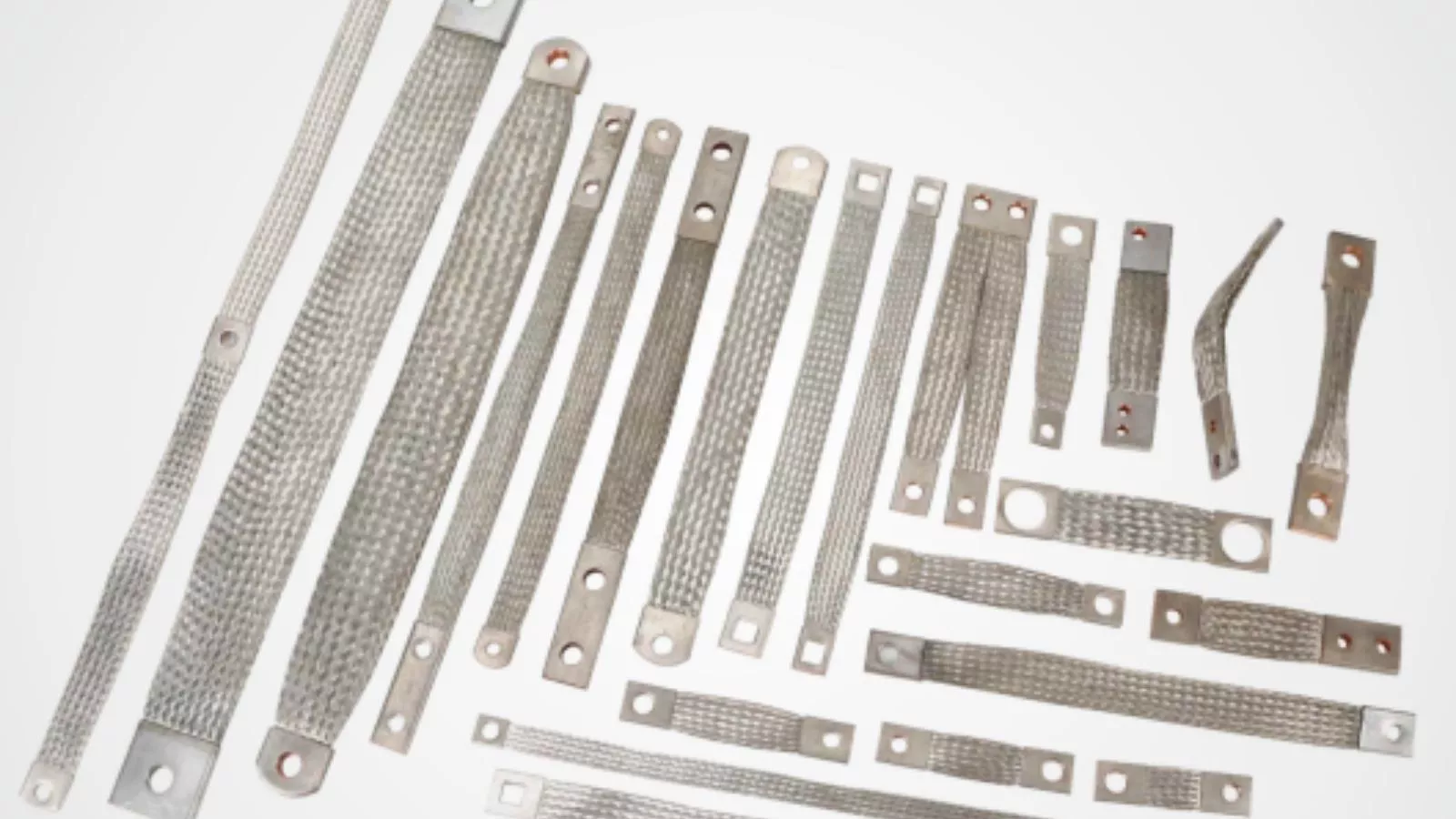
Nickel plating adds a protective layer to copper busbars. It helps copper keep its electrical performance while improving durability in demanding environments.
Copper is an excellent conductor, but its surface can slowly react with oxygen and moisture. A thin nickel coating works like a shield, protecting the copper underneath.
When a bare copper busbar is exposed to air, its surface may develop oxidation over time. This oxide layer can affect contact quality.
For example, in an EV battery pack, a busbar may experience heat cycles, humidity, and vibration every day. A nickel plated copper busbar helps maintain a cleaner contact surface during long-term operation.
The nickel layer improves resistance against:
Nickel is harder than copper. The coating helps protect the busbar surface during transportation, assembly, and maintenance.
This is especially useful when busbars are installed in compact battery systems where repeated handling may occur during production.
The copper core still provides excellent electrical conductivity. The nickel layer mainly protects the surface instead of replacing the conductive material.
This combination makes nickel plated copper bus bars suitable for applications that require both high current capacity and long service life.
The choice between bare copper and nickel plated copper depends on the working environment.
Bare copper works well in many standard electrical systems. However, applications with higher reliability requirements often need additional surface protection.
Bare copper has excellent conductivity, but the exposed surface is more sensitive to environmental conditions.
Common challenges include:
A battery manufacturer producing energy storage cabinets may install thousands of busbar connections. Even a small surface problem can affect system reliability. Nickel plating helps create a more stable connection point.
Nickel plated busbars provide extra protection without losing the main advantages of copper. The main differences are shown below:
| Feature | Bare Copper Busbar | Nickel Plated Copper Busbar |
|---|---|---|
| Electrical Conductivity | Excellent | Excellent |
| Oxidation Resistance | Limited | Higher protection |
| Corrosion Resistance | Moderate | Better performance |
| Surface Hardness | Lower | Improved durability |
| Harsh Environment Application | Less suitable | More suitable |
For EV batteries, marine equipment, and industrial systems, nickel plated copper busbars often provide better long-term value.
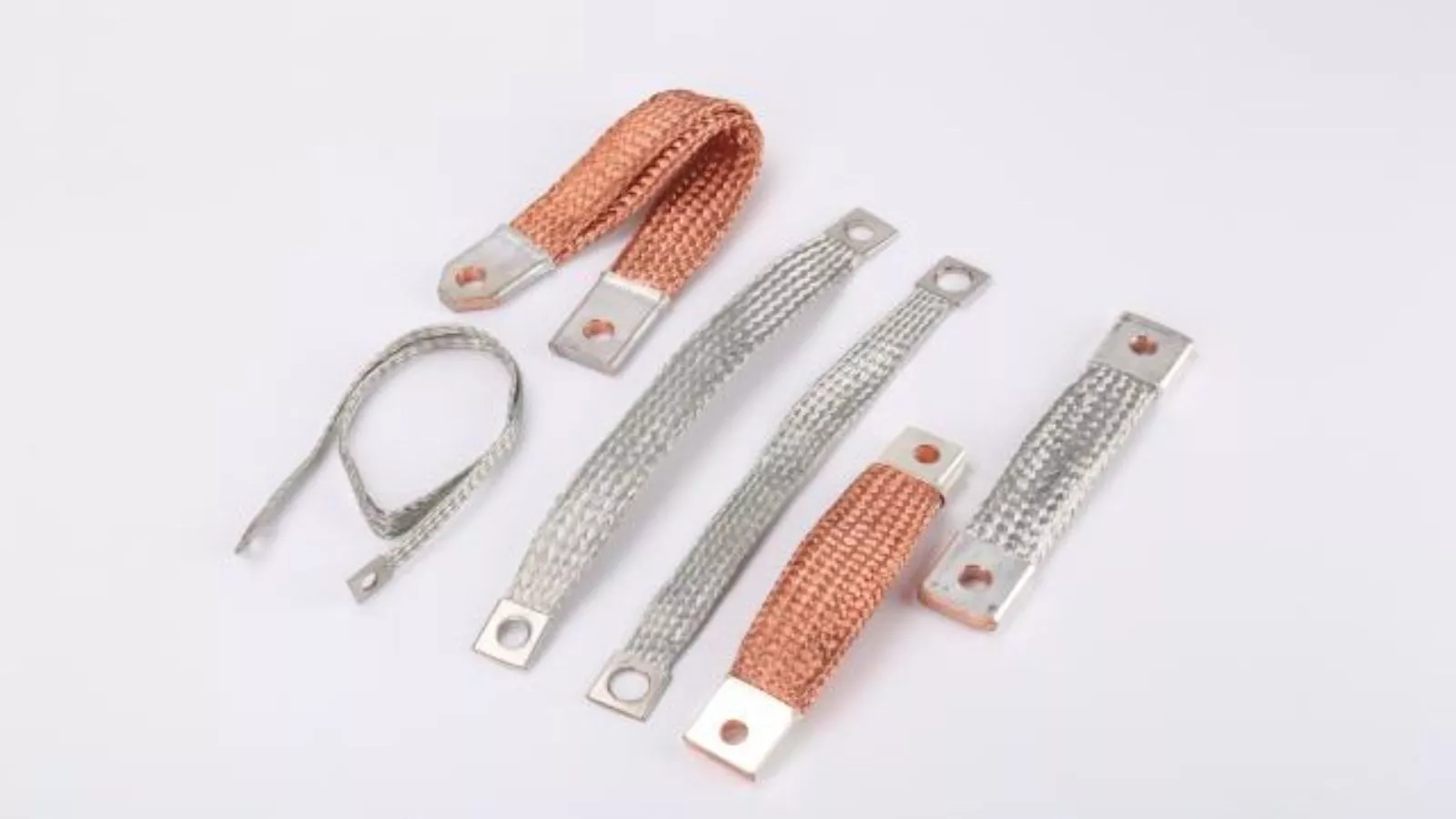
The copper base allows efficient current transmission.
For example, in a battery module, the busbar needs to transfer large amounts of current while keeping electrical losses low. Copper provides the necessary conductivity for this task.
Nickel plated copper busbars can handle challenging conditions, including:
Imagine an energy storage system installed outdoors. Daytime heat, nighttime cooling, and moisture can slowly affect metal surfaces. A nickel coating helps protect the copper core through these repeated changes.
A protected surface reduces the risk of connection problems caused by oxidation or corrosion.
This helps manufacturers build more reliable products and reduce future maintenance costs.
Nickel plated copper busbars are commonly used in:
| Application | Examples |
|---|---|
| Electric Vehicles | Battery packs, battery modules, high-voltage connections |
| Energy Storage | ESS cabinets, renewable energy systems |
| Power Equipment | Switchgear, distribution panels |
| Industrial Equipment | Automation systems and electrical machinery |
For projects requiring customized dimensions, plating thickness, or special designs, nickel plated copper bus bars can be manufactured according to specific requirements.
The manufacturing process of nickel plated copper busbars involves several steps. Each step affects the final performance, appearance, and reliability of the product. The copper material, machining accuracy, surface preparation, and plating quality all matter.
The process starts with high-quality copper sheets or copper bars.
Manufacturers first shape the copper according to the required design, including:
For example, a battery manufacturer may need a curved busbar that fits into a limited battery module space. The copper bar must be accurately formed so every connection matches perfectly during assembly.
Before nickel plating, the copper surface needs thorough preparation.
This step removes:
A clean surface helps the nickel coating bond firmly with the copper base.
During nickel plating, a thin nickel layer is applied to the copper surface through controlled plating technology.
The process focuses on:
Different applications may require different nickel thicknesses. Battery systems, industrial equipment, and outdoor electrical applications may have different coating requirements.
Before delivery, manufacturers usually perform inspections to ensure product reliability.
Common tests include:
| Inspection Item | Purpose |
|---|---|
| Dimension Inspection | Ensure the busbar matches design drawings |
| Plating Thickness Test | Verify nickel coating meets requirements |
| Adhesion Test | Check coating durability |
| Electrical Test | Confirm conductivity performance |
A complete manufacturing process helps nickel plated copper busbars achieve stable performance in demanding electrical systems.
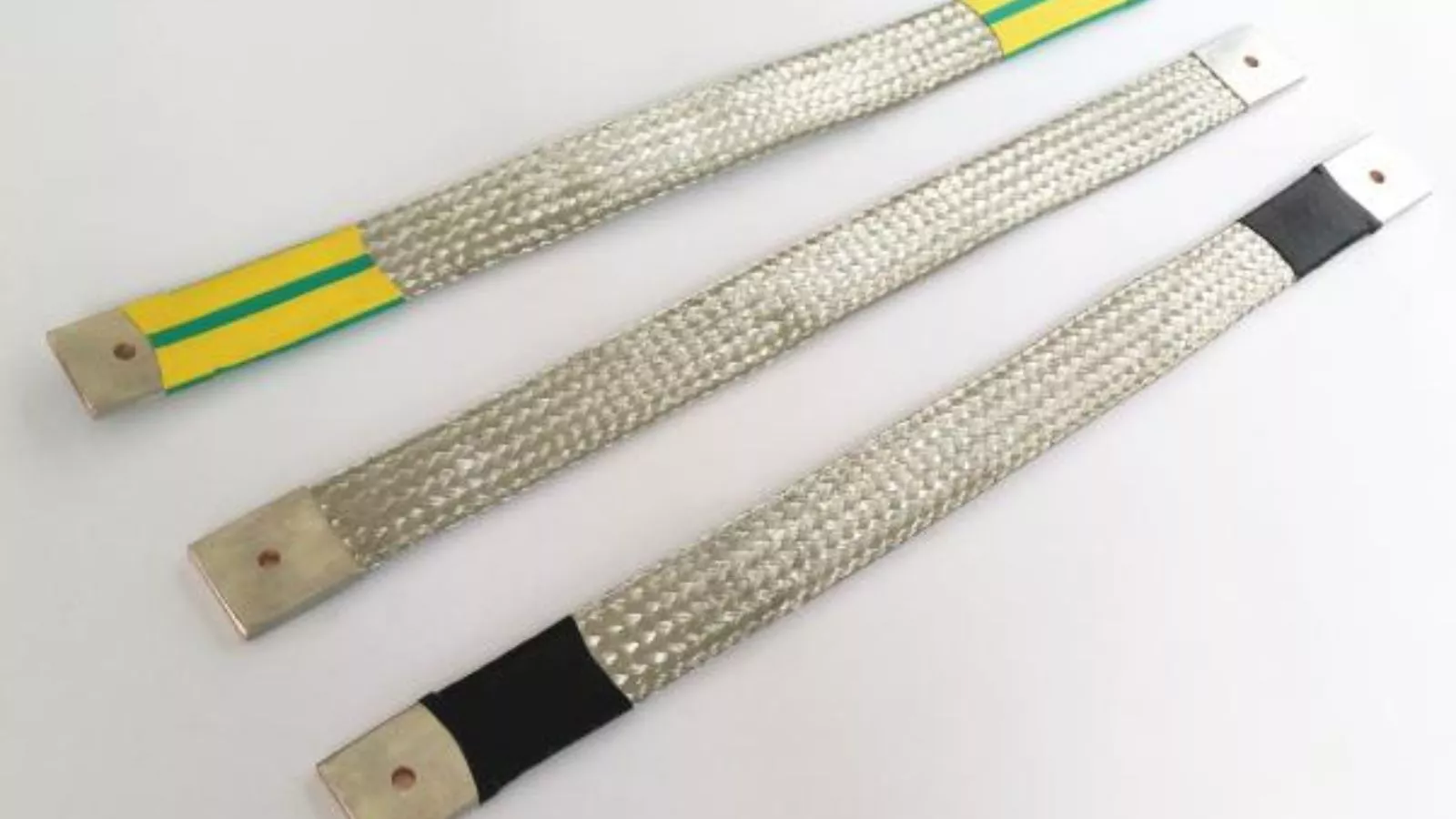
Nickel plated copper busbars are widely used in industries where reliable electrical connections are critical. They are especially common in battery systems, power equipment, and high-current applications.
EV battery systems require lightweight, efficient, and reliable current connections.
Nickel plated copper busbars are often used in:
Inside an electric vehicle battery pack, hundreds of cells may work together. Each connection point needs stable electrical contact. A protected busbar surface helps maintain reliability during years of driving, charging, and temperature changes.
Energy storage systems operate for long periods and often handle high current loads.
Nickel plated busbars are used in:
In electrical distribution systems, busbars provide efficient current transfer between components.
Applications include:
Many industrial machines require compact and reliable electrical connections.
Nickel plated copper busbars can be found in:
Different busbar materials have different advantages. The best choice depends on conductivity requirements, environment, and application conditions.
Bare copper provides excellent conductivity and lower cost. However, it has less surface protection.
Nickel plated copper adds corrosion resistance and improves long-term stability.
| Feature | Bare Copper Busbar | Nickel Plated Copper Busbar |
|---|---|---|
| Conductivity | Excellent | Excellent |
| Oxidation Protection | Limited | Higher |
| Corrosion Resistance | Standard | Improved |
| Application Environment | Normal conditions | Harsh environments |
For indoor applications with controlled conditions, bare copper may be enough. For EV batteries or outdoor systems, nickel plated copper busbars often provide better protection.
Tin plating is another common surface treatment for copper busbars.
The difference is mainly related to temperature performance and environmental requirements.
| Feature | Tin Plated Copper Busbar | Nickel Plated Copper Busbar |
|---|---|---|
| Electrical Conductivity | Good | Good |
| Temperature Resistance | Moderate | Higher |
| Surface Hardness | Lower | Higher |
| High Temperature Applications | Limited | More suitable |
The right choice depends on:
For high-reliability applications, nickel plated copper busbars provide a balanced solution between electrical performance and surface protection.
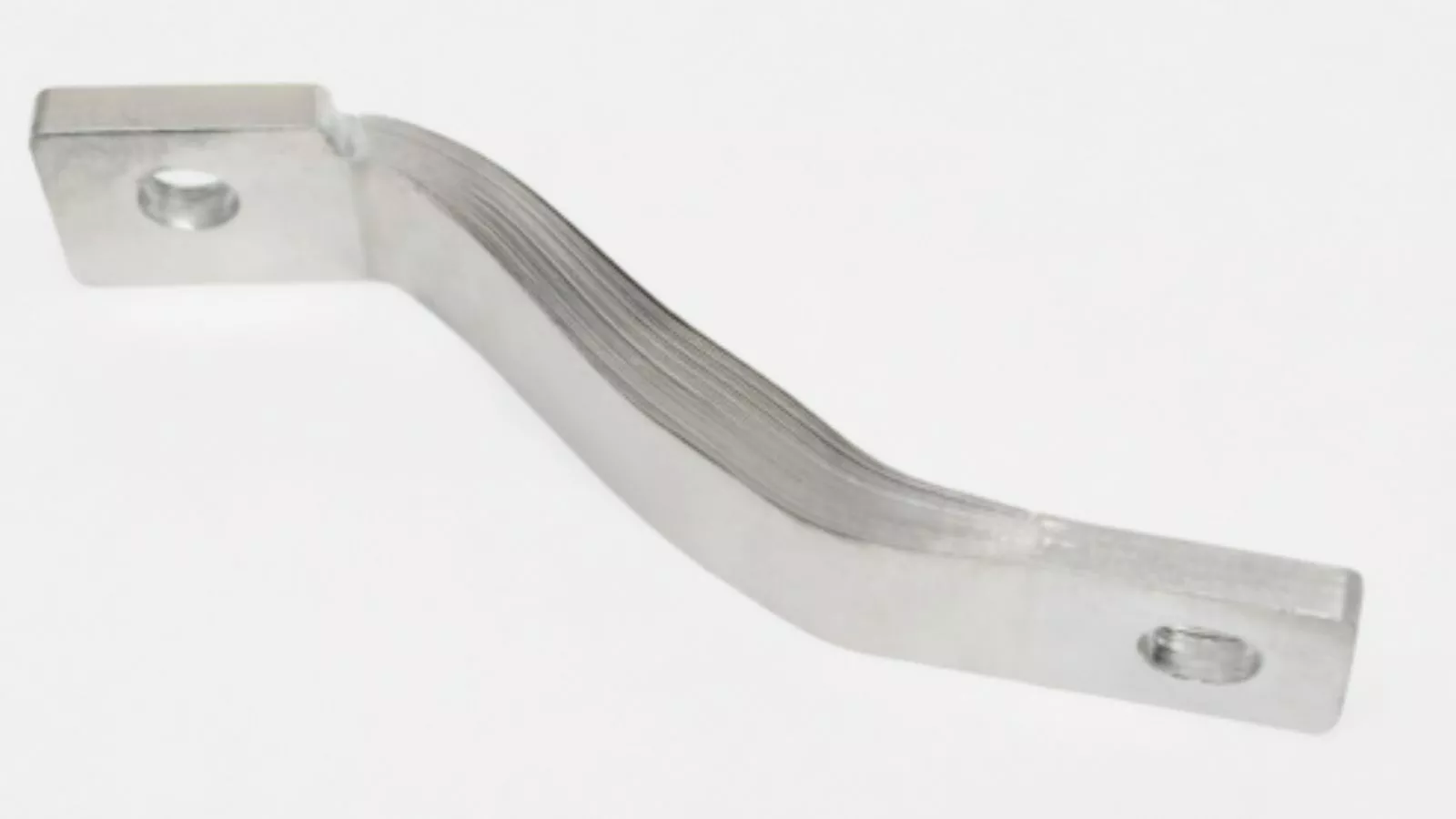
Choosing the right nickel plated busbar is not only about size and price. The material, plating quality, design, and application environment all affect performance. A suitable busbar should match the electrical requirements and the conditions where it will operate.
The copper base determines the electrical performance of the busbar.
Important factors include:
For example, a high-current battery system needs a copper busbar that can carry large amounts of current without excessive heat generation. Poor material selection may increase energy loss and affect system reliability.
The nickel coating protects the copper surface. However, the required thickness depends on the application.
A suitable nickel plating thickness helps balance:
Applications exposed to moisture, chemicals, or temperature changes usually require stronger surface protection.
The physical design directly affects installation and current capacity.
Common design factors include:
A properly designed nickel plated copper busbar should fit the equipment precisely and provide reliable electrical contact.
A reliable supplier should provide consistent quality from prototype production to mass manufacturing.
Key capabilities include:
For an EV battery manufacturer, hundreds or thousands of busbars may be installed in production every month. Stable manufacturing quality helps avoid assembly issues and unexpected failures.
When selecting a nickel plated busbar, the best choice is the one that matches your electrical, mechanical, and environmental requirements.
Yes. Nickel plated copper busbars can be customized to meet different equipment designs and application requirements.
Different industries often require different shapes, sizes, and surface treatments.
Manufacturers can produce nickel plated copper busbars according to specific drawings.
Customization options may include:
For example, a compact battery module may have limited installation space. A custom bent busbar can follow the internal layout and connect multiple components without adding unnecessary space.
Depending on the working environment, customers may require different specifications.
Possible customization includes:
Nickel plated copper bus bars are commonly customized for:
| Industry | Customization Requirements |
|---|---|
| Electric Vehicles | Compact design, high current capacity, battery module compatibility |
| Energy Storage Systems | Long service life, stable connections, high reliability |
| Industrial Equipment | Special dimensions and harsh environment protection |
| Power Systems | High conductivity and precise installation requirements |
Working with an experienced manufacturer allows nickel plated busbars to be designed for specific performance goals instead of relying only on standard sizes.
Yes. Copper can be plated with nickel through processes such as electroplating. The nickel layer improves corrosion resistance, surface durability, and oxidation protection while keeping the excellent conductivity of the copper core.
Copper is one of the most widely used busbar materials because of its excellent electrical conductivity. For harsh environments or high-reliability applications, nickel plated copper busbars provide additional surface protection.
Common copper busbars are usually made from high-conductivity copper materials, such as C11000 copper or equivalent grades. The exact material depends on electrical, mechanical, and application requirements.
Copper busbars can be coated with materials such as nickel, tin, or other protective finishes. Nickel plating is often selected when higher corrosion resistance and temperature stability are required.
Nickel plated copper busbars combine the excellent conductivity of copper with the protective performance of nickel coating. They provide reliable electrical connections for demanding applications such as electric vehicles, energy storage systems, industrial equipment, and power distribution systems.
Choosing the right busbar requires careful consideration of copper material, plating requirements, dimensions, and application conditions. A professional manufacturer can help design a solution that matches your electrical and mechanical needs.
SHZHJ specializes in customized copper busbar solutions, including nickel plated copper busbars, for customers worldwide. With experience in copper processing, precision manufacturing, and surface treatment, we can provide reliable products based on your drawings and project requirements.
If you are looking for a customized nickel plated copper busbar supplier, contact SHZHJ to discuss your application and receive a suitable quotation.
*We respect your confidentiality and all information are protected.

This article explores the key differences between silver and copper conductors, focusing on resistance, performance, and real-world applications—understanding these factors is essential for making informed decisions.

This guide explains how flexible copper busbars work, how to select the right one, and why your choice directly impacts system reliability.

In the railway and heavy equipment industry, locomotive contacts are small but critical components that make or break electrical circuits inside contactors, relays, and switches.