
+86-21-37782156
info@shzhj.com
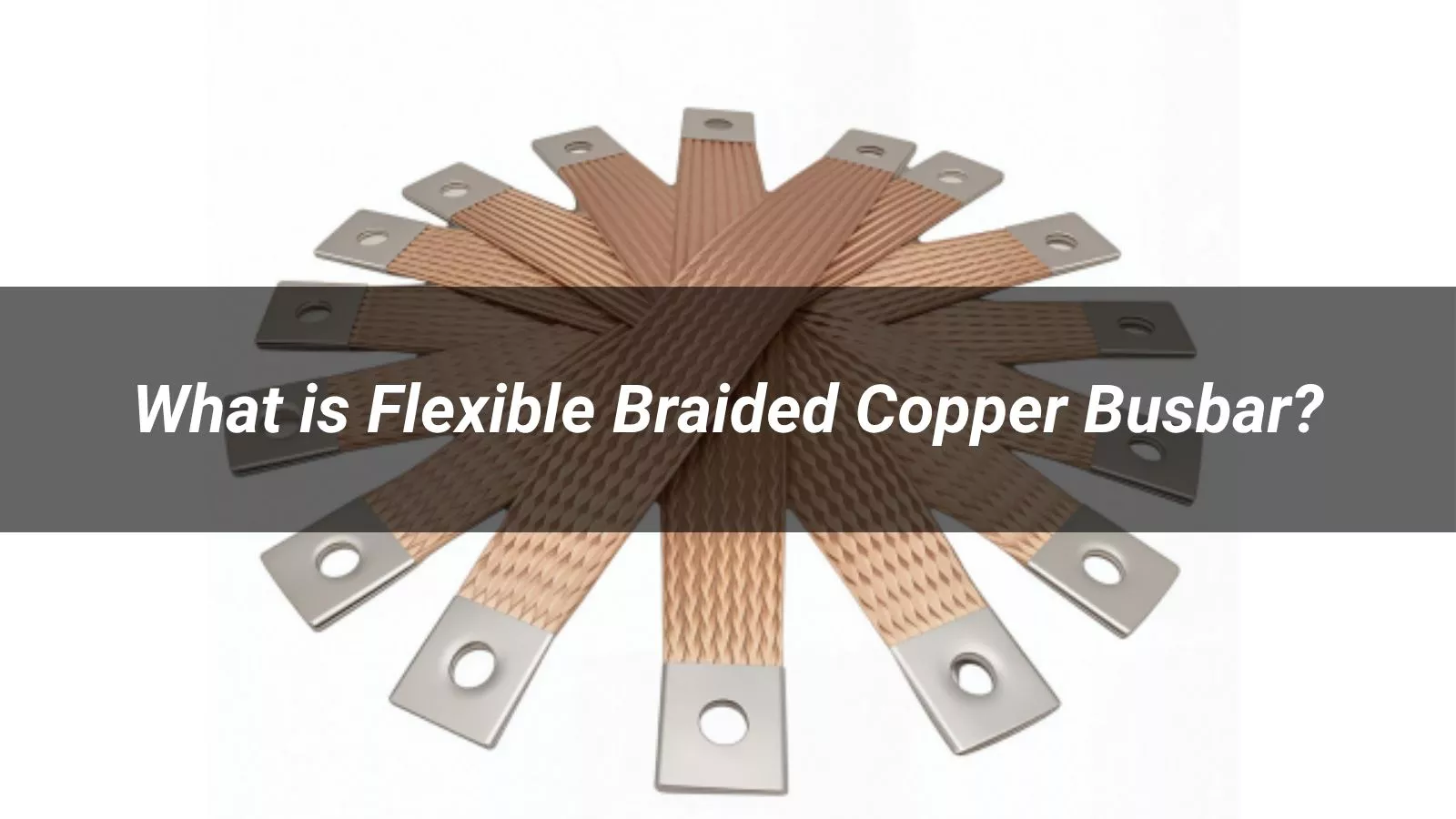
As electrical systems become more compact and powerful, reliable connection solutions are becoming increasingly important. Flexible braided copper busbars provide excellent conductivity, flexibility, and vibration resistance, making them ideal for applications where traditional rigid busbars cannot meet installation requirements.
This article explains the structure, working principle, advantages, applications, and customization options of flexible braided busbars to help engineers and buyers choose the right solution for their projects.
Modern electrical systems require higher power density, compact designs, and reliable connections. Traditional rigid copper busbars work well in fixed applications, but they can be difficult to install when space is limited or when equipment experiences vibration.
Flexible busbars provide a practical solution by combining excellent electrical conductivity with mechanical flexibility. They can absorb movement, reduce connection stress, and simplify installation in complex structures.
For example, inside an electric vehicle battery pack, connection points are often arranged in tight spaces. During driving, vibration and thermal expansion can affect rigid connections. A flexible braided copper busbar helps maintain stable current transmission while adapting to small movements.
Flexible busbars are widely used in industries that require compact and reliable power connections:
| Application | Why Flexible Busbars Are Used |
|---|---|
| Electric Vehicles (EVs) | Handles vibration and limited space inside battery systems |
| Energy Storage Systems | Provides reliable high-current connections between battery modules |
| Switchgear Equipment | Offers easier installation in compact electrical cabinets |
| Motors and Transformers | Reduces stress caused by vibration and thermal expansion |
Flexible braided copper busbars are designed for applications where both electrical performance and installation flexibility matter. They provide a reliable connection solution for modern power systems with demanding space and performance requirements.
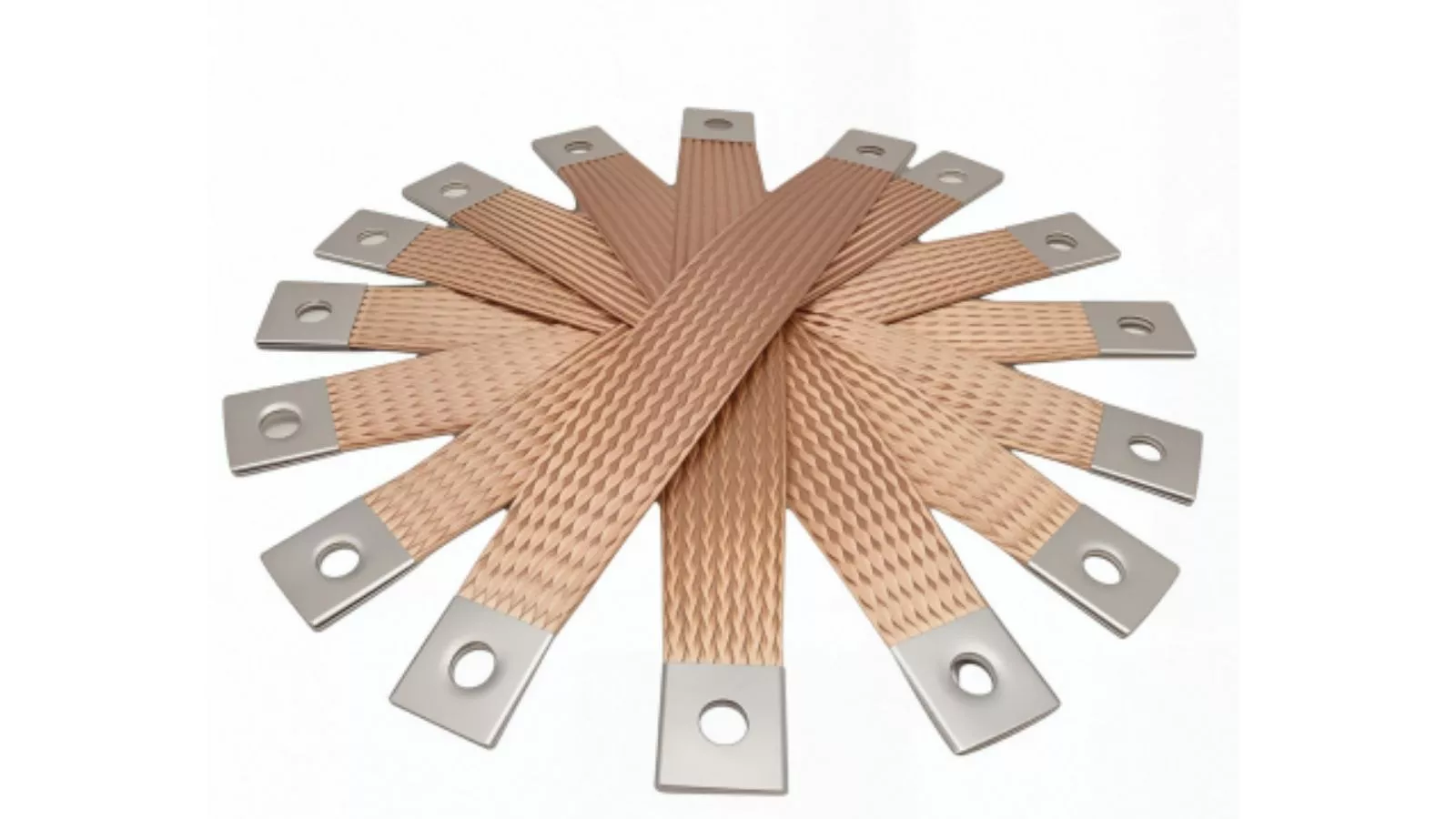
A flexible braided copper busbar works by combining copper conductivity with a flexible woven structure. Unlike a solid copper bar, it is made from multiple fine copper strands braided together, allowing the conductor to bend while maintaining reliable electrical performance.
When current flows through the braided structure, the copper strands provide an efficient path for electricity. At the same time, the flexible design helps reduce mechanical stress caused by vibration, movement, and thermal expansion.
For example, inside an electric vehicle battery pack, connection points are exposed to continuous vibration and temperature changes. A rigid conductor may transfer stress directly to terminals, while a flexible braided busbar can absorb small movements and help maintain a stable connection.
This makes flexible braided copper busbars especially useful in applications where installation space is limited or where equipment requires both electrical reliability and mechanical flexibility.
The manufacturing process of a braided busbar starts with high-quality copper wires. Multiple thin copper strands are woven together to create a flexible conductive structure.
After braiding, the busbar can be further processed with different terminal designs and surface treatments based on the application requirements.
| Manufacturing Process | Description |
|---|---|
| Copper Wire Selection | High-quality copper wires are selected according to conductivity and flexibility requirements |
| Braiding Process | Multiple copper strands are woven into a flexible conductor |
| Terminal Processing | Ends are compressed, welded, or customized for electrical connections |
| Surface Treatment | Plating options such as tin, nickel, or silver improve corrosion resistance |
A precise manufacturing process ensures that the final braided busbar provides stable performance in high-current and demanding environments.
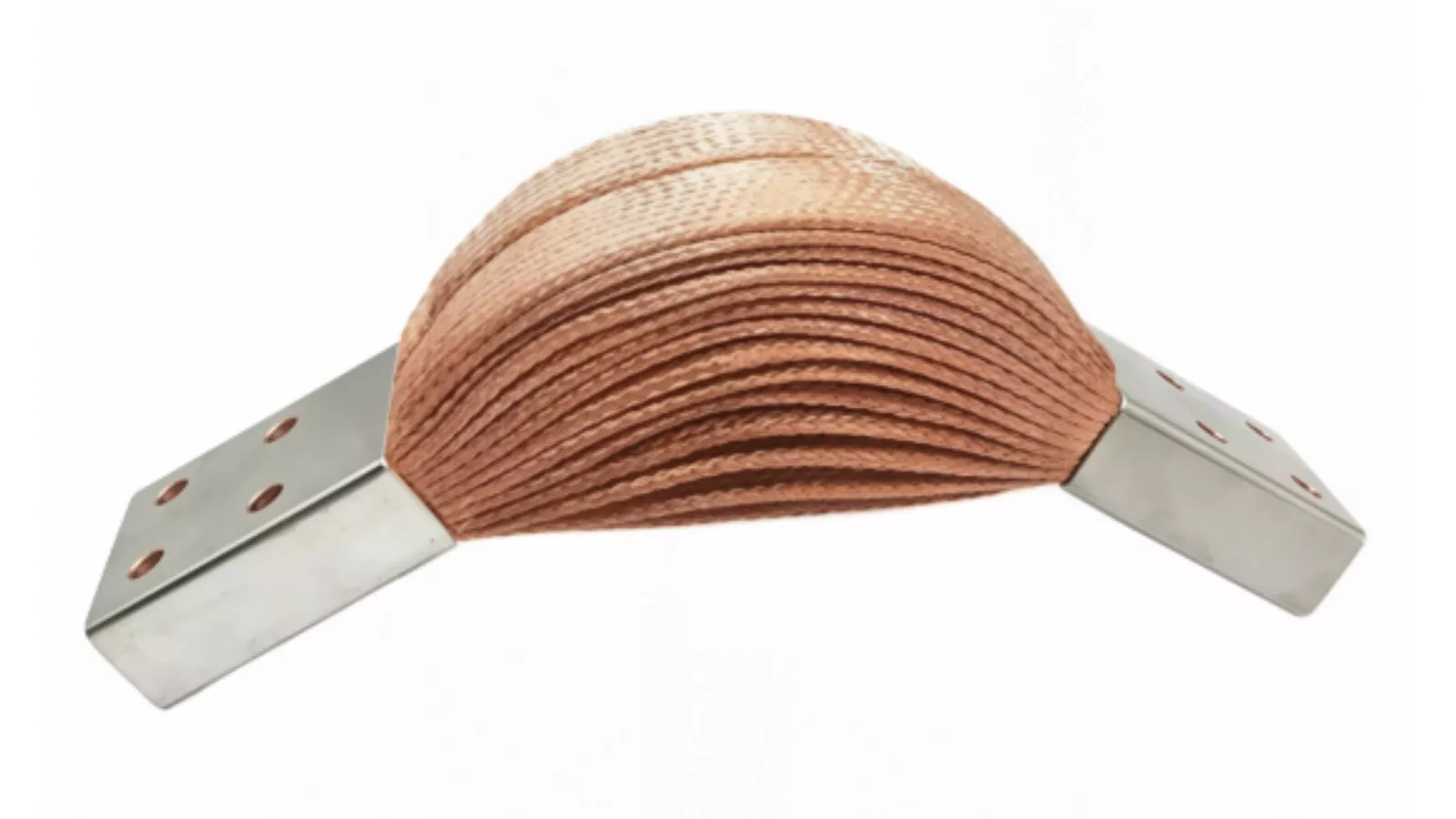
The performance of a flexible braided busbar depends on its materials, dimensions, and design. Copper is commonly used because it offers excellent electrical conductivity and good durability.
Different applications require different specifications. Engineers usually consider current capacity, installation space, operating environment, and connection methods when selecting a suitable design.
| Specification | Typical Options |
|---|---|
| Conductor Material | High-purity copper |
| Surface Treatment | Tin plating, nickel plating, silver plating |
| Dimensions | Customized length, width, and thickness |
| Connection Design | Terminals, welded ends, mounting holes, customized structures |
Selecting the correct materials and specifications helps ensure reliable current transmission and a longer service life.
Flexible braided busbars are designed to solve connection challenges that traditional rigid conductors cannot easily handle. Their unique braided copper structure provides both electrical reliability and mechanical flexibility.
The main advantages include:
For example, in a power distribution cabinet, components may not always align perfectly due to space limitations. A flexible braided busbar can be adjusted during installation without redesigning the entire connection structure.
These advantages make flexible braided copper busbars a reliable choice for applications that require high current capacity and flexible installation solutions.
Flexible braided copper busbars are widely used in electrical systems where space, vibration, and connection reliability are important factors.
Common applications include:
| Application | Typical Use |
|---|---|
| Electric Vehicles | Battery pack connections and high-current power links |
| Energy Storage Systems | Connections between battery modules and power components |
| Switchgear | Flexible connections inside compact electrical cabinets |
| Transformers and Motors | Connections that need vibration and thermal expansion tolerance |
| Industrial Equipment | Power connections in automated machinery and control systems |
As power systems become more compact and energy demands increase, flexible braided busbars are becoming increasingly common in modern electrical designs.
A typical example is an energy storage system installed in a factory. During daily operation, the equipment experiences heat changes and mechanical vibration. A flexible copper braided busbar helps maintain stable connections while reducing stress on electrical terminals.
_1787282858_WNo_1600d900.webp)
Both flexible braided busbars and laminated busbars are used for power distribution, but they are designed for different requirements. The main differences come from their structure and performance characteristics.
| Comparison | Flexible Braided Busbar | Laminated Busbar |
|---|---|---|
| Structure | Multiple copper strands woven into a flexible conductor | Multiple copper layers laminated with insulation materials |
| Flexibility | High flexibility for bending and movement | Usually designed for fixed installation |
| Vibration Resistance | Excellent for applications with mechanical movement | Better suited for stable environments |
| Main Applications | EVs, batteries, motors, transformers, flexible connections | Power modules, inverters, compact power distribution systems |
Choosing between a braided busbar and a laminated busbar depends on the specific application requirements.
A flexible braided copper busbar is often the better choice when the connection needs movement, vibration resistance, or installation flexibility. A laminated busbar is more suitable when low inductance, compact design, and precise power distribution are the main priorities.
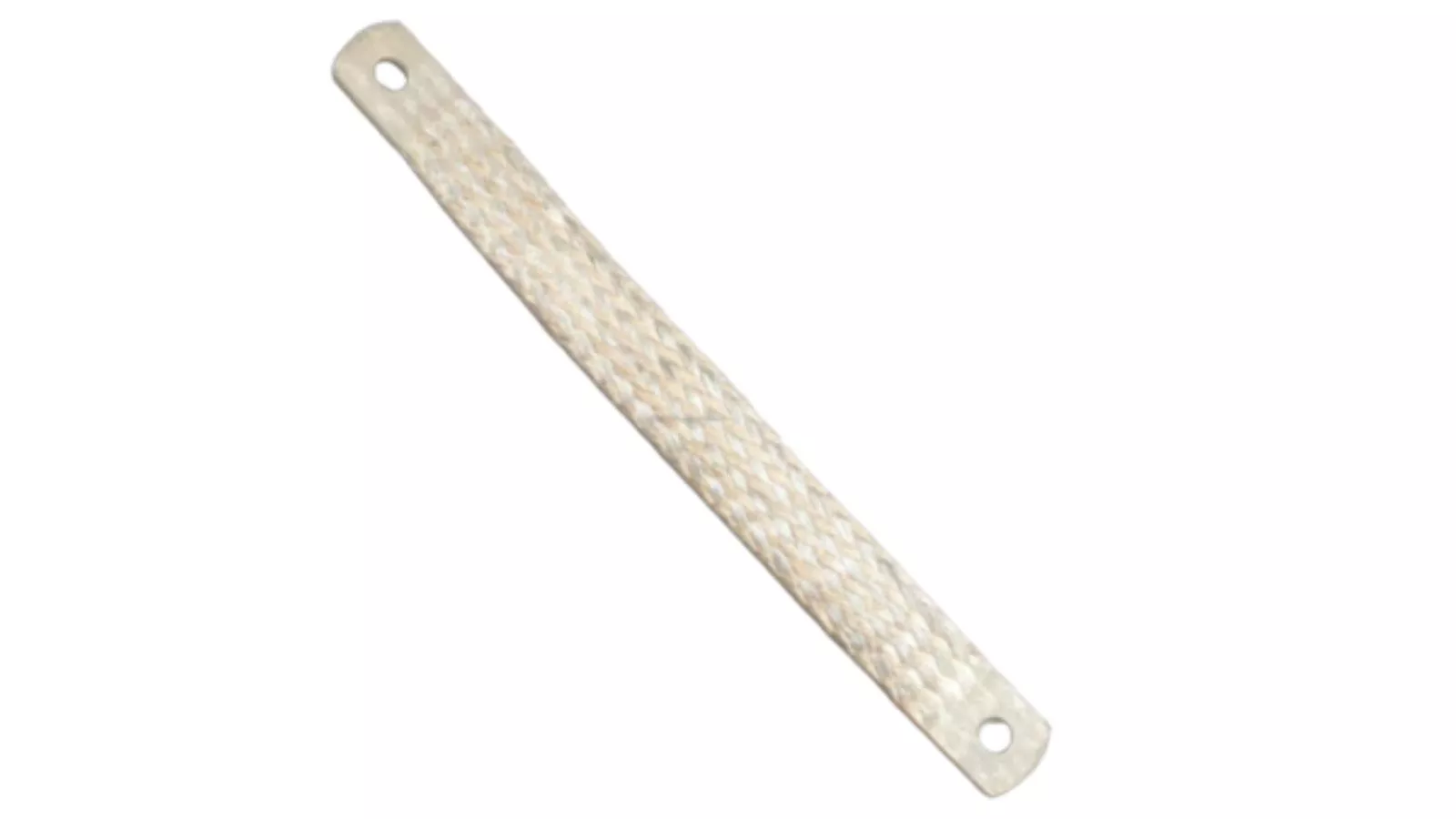
Choosing the right flexible braided copper busbar depends on the electrical requirements, installation environment, and mechanical conditions of the application. A suitable design helps ensure stable performance and long service life.
Before selecting a braided busbar, engineers usually consider the following factors:
For example, a flexible braided busbar used in an EV battery system usually needs compact dimensions, high conductivity, and good vibration resistance. In contrast, an industrial machine may require stronger mechanical durability due to continuous operation.
Selecting the correct specifications at the design stage can reduce installation problems and improve the reliability of the entire electrical system.
Yes. Flexible braided copper busbars can be customized to meet different electrical and mechanical requirements. Manufacturers can adjust the design based on application conditions, installation space, and connection methods.
Common customization options include:
| Customization Item | Available Options |
|---|---|
| Dimensions | Customized length, width, and thickness according to installation requirements |
| Terminal Design | Different shapes, mounting holes, and connection structures |
| Surface Treatment | Tin plating, nickel plating, silver plating, and other options |
| Insulation | Additional insulation solutions for specific applications |
Customized flexible braided busbars are commonly used in applications with special space limitations or unique connection requirements.
For instance, in a custom battery pack design, standard busbars may not fit the available layout. A customized copper braided busbar can be manufactured with specific dimensions and terminal positions to match the exact assembly structure.
Working with an experienced manufacturer allows engineers to develop a flexible braided busbar solution that meets both electrical performance and installation requirements.
Braided copper is commonly used for flexible electrical connections, grounding applications, and high-current power transmission. Its woven structure provides good conductivity while allowing movement and vibration resistance.
Braided copper refers to multiple fine copper wires woven together into a flexible conductor. This structure improves flexibility while maintaining reliable electrical performance.
An earthing braid is a braided copper conductor used to provide a reliable grounding connection. It helps protect electrical equipment by providing a low-resistance path for fault currents.
Braided cables are designed to improve flexibility, mechanical protection, and electromagnetic shielding. They are often used in applications where cables need to withstand movement or interference.
Braided wire may have slightly higher manufacturing costs and can require proper protection in harsh environments. However, its flexibility and vibration resistance make it suitable for many demanding applications.
Flexible braided copper busbars provide a reliable solution for modern electrical systems that require both high conductivity and installation flexibility. With excellent vibration resistance, customizable designs, and efficient current transmission, they are widely used in EVs, energy storage systems, industrial equipment, and power distribution applications.
As an experienced manufacturer in China, SHZHJ provides customized flexible braided copper busbar solutions based on different electrical and mechanical requirements. From material selection and dimensions to terminal design and surface treatment, we help customers develop suitable connection solutions for their projects.
If you are looking for a reliable flexible braided busbar supplier or need a customized design, feel free to contact SHZHJ for professional support and a competitive quotation.
*We respect your confidentiality and all information are protected.

This article explores the key differences between silver and copper conductors, focusing on resistance, performance, and real-world applications—understanding these factors is essential for making informed decisions.

This guide explains how flexible copper busbars work, how to select the right one, and why your choice directly impacts system reliability.

In the railway and heavy equipment industry, locomotive contacts are small but critical components that make or break electrical circuits inside contactors, relays, and switches.