
+86-21-37782156
info@shzhj.com
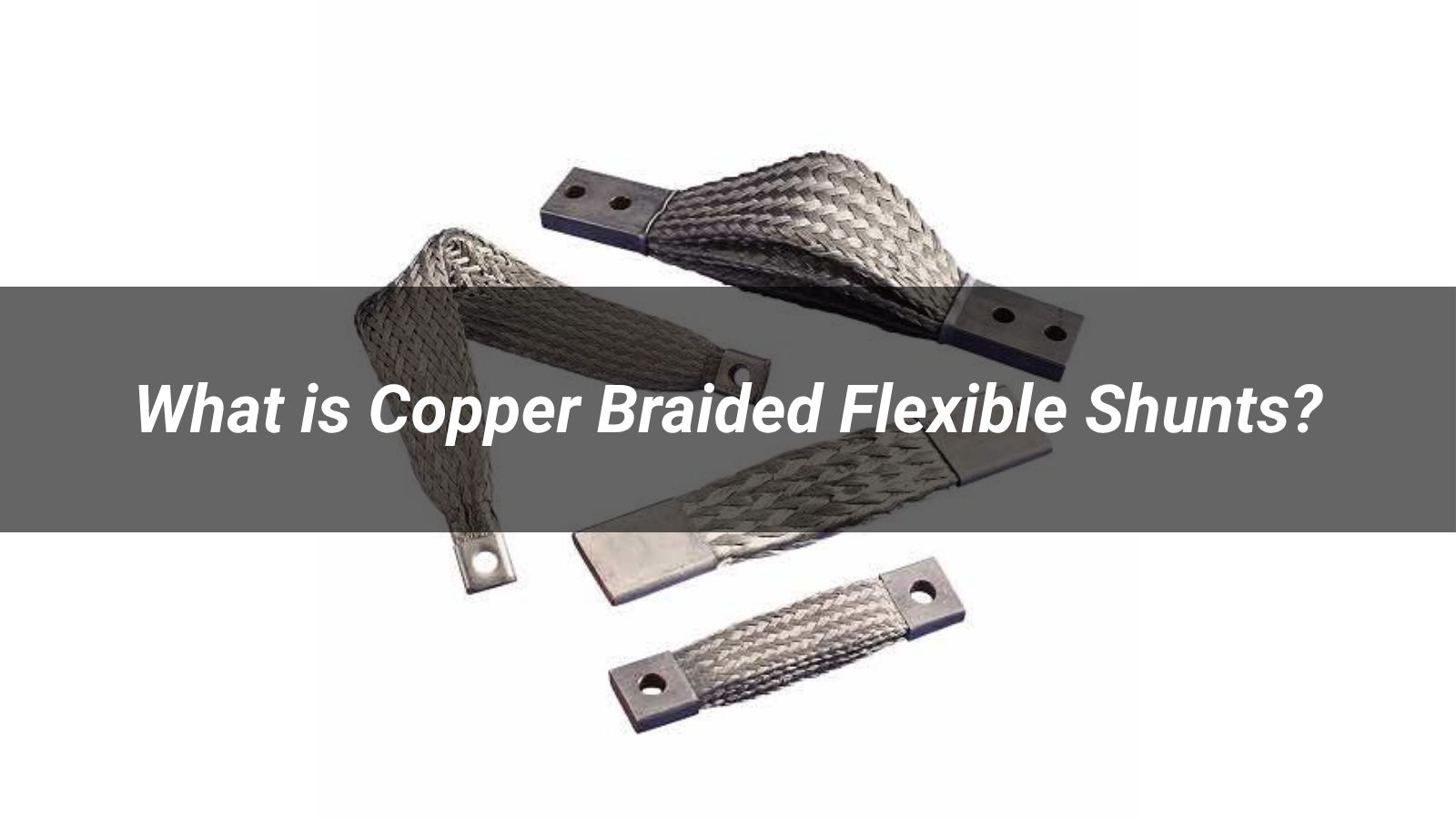
As power equipment becomes more compact and electrically demanding, copper braided flexible shunts are increasingly used where high-current connections also need mechanical flexibility. Their ability to handle vibration, thermal movement, and installation misalignment makes them valuable in modern electrical assemblies.
A copper braided flexible shunt is a flexible electrical connector made from multiple fine copper strands, typically finished with suitable terminals for mounting. It provides a conductive path between components while allowing controlled movement. This makes it relevant to:
This guide explains the construction, applications, specifications, and selection of copper braided flexible shunts, helping you choose the right solution for reliable electrical connections. Read on to find the key factors that matter.
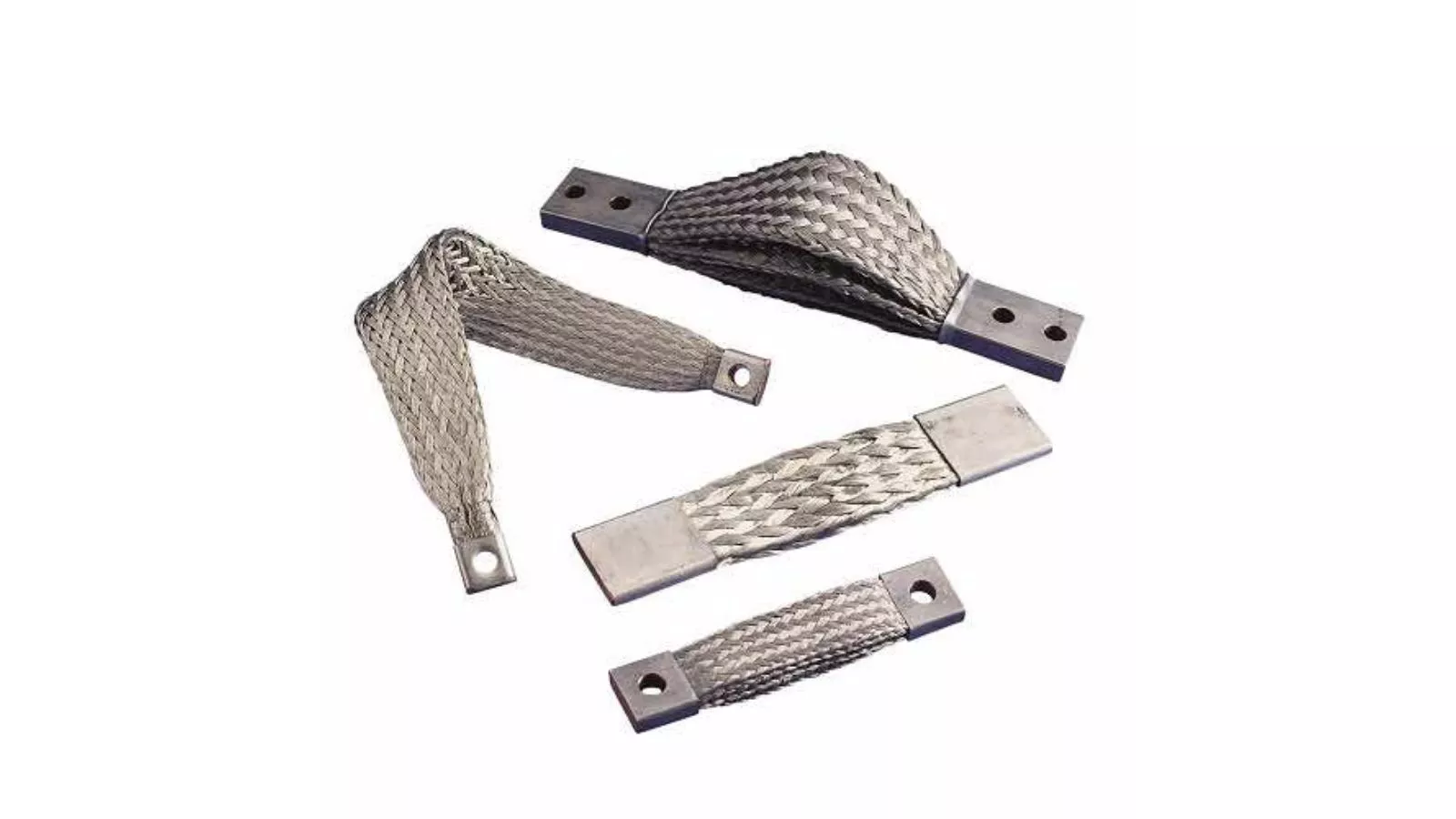
A copper braided flexible shunt is built for two jobs at once: carrying electrical current and allowing mechanical movement.
Its basic construction is simple. Fine copper wires are braided together to form a flexible conductive path. The ends are then formed into connection terminals, which can be drilled, pressed, welded, or shaped according to the application.
Think of it like a copper rope. A solid copper bar stays rigid when you move it. Thousands of fine copper strands can bend slightly and return to position without losing their basic shape.
The braid is usually made from high-conductivity copper wire. The wire diameter, braid width, number of strands, and number of layers affect the final electrical and mechanical performance.
Bare copper is common. Tinned copper may be selected when better corrosion resistance is needed.
The braid alone cannot provide a practical mounting point. Its ends are therefore finished with terminals designed to connect to busbars, terminals, switchgear, transformers, or other conductive components.
Common details include mounting holes, terminal width, hole diameter, and hole spacing.
These dimensions matter. A shunt with the right current capacity is still unsuitable if its terminals do not fit the equipment.
The flexibility comes from its construction rather than from a soft insulating material.
Instead of one thick conductor, a braided shunt uses many small copper wires. Each strand can move slightly against the others. Together, they create a connection that can bend, twist, and absorb small amounts of movement.
Imagine two copper connection points on a large transformer. During operation, the equipment heats up. Metal expands. Later, it cools down and contracts.
A rigid connection has to absorb that movement. A flexible braided shunt can accommodate part of it, reducing mechanical stress at the connection points.
Motors, generators, transformers, and switchgear can experience vibration during operation.
The braided structure allows small repetitive movements without requiring the entire connection to remain perfectly rigid.
Current creates heat. Temperature changes cause copper and connected equipment to expand and contract.
A flexible shunt provides mechanical compliance between fixed connection points. This is especially useful where temperature cycling occurs frequently.
Not every connection is perfectly aligned.
A braided shunt can accommodate a small amount of positional variation, making installation easier in compact electrical assemblies.
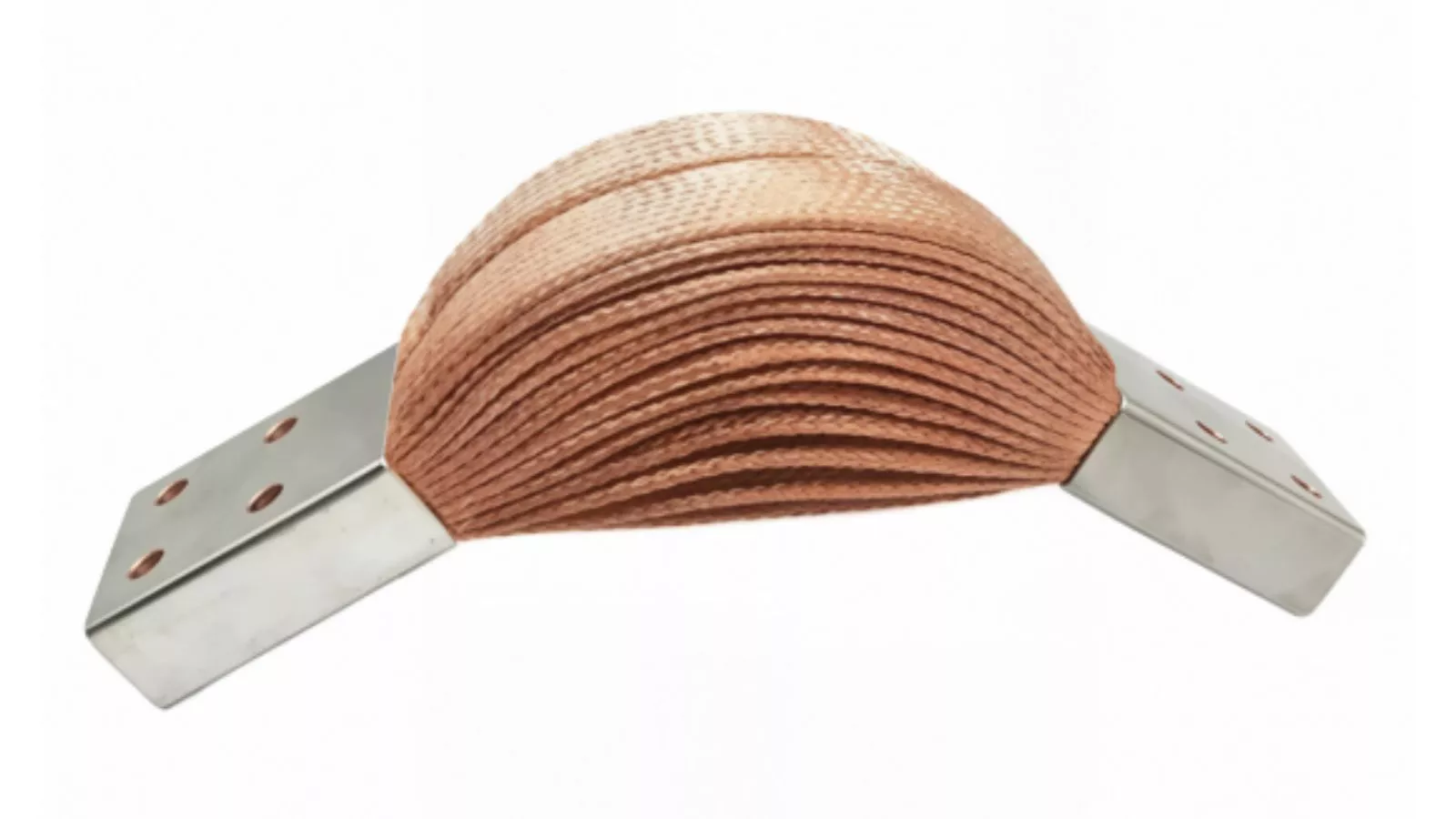
Copper braided shunts are used wherever a connection needs both electrical conductivity and mechanical flexibility.
The most common applications are found in power equipment and industrial electrical systems. The table below gives a quick overview.
| Application | Why a Braided Shunt Is Used |
|---|---|
| Switchgear | Handles flexible connections between moving or vibrating components |
| Transformers | Accommodates thermal expansion and mechanical movement |
| Generators | Provides flexible high-current connections around vibrating equipment |
| Motors | Helps absorb vibration between electrical connection points |
| Busbars | Connects sections where a rigid busbar connection is impractical |
| Circuit Breakers | Provides a flexible current path between components |
| Welding Equipment | Supports high-current connections that may experience movement |
| Power Distribution Equipment | Provides flexible electrical connections in compact assemblies |
These applications have something in common: the electrical connection must carry current, but it cannot always remain completely rigid.
For example: a transformer connection may sit between two conductive points that move slightly as the transformer heats and cools. A braided copper shunt provides a flexible bridge between them instead of forcing the connection to absorb all that movement.
This is why a braided copper shunt is often considered when a solid busbar or rigid copper connection cannot provide enough flexibility.
Choosing a braided shunt is not only about current capacity. The physical connection must also fit the equipment and operating conditions.
These are the main specifications to check:
The table below shows the type of information normally used when specifying a copper braided flexible shunt.
| Specification | What to Check |
|---|---|
| Current | Required operating current and allowable temperature rise |
| Cross-sectional area | Available copper area for the required current |
| Length | Distance between connection points and required flexibility |
| Terminal | Terminal size, shape, hole diameter, and hole spacing |
| Copper | Bare copper or tinned copper |
| Environment | Temperature, vibration, corrosion, and installation conditions |
For example, a shunt used inside compact switchgear may need a short body with closely spaced mounting holes. A transformer connection may need more flexible length to accommodate movement during thermal cycling.
Important: Cross-sectional area alone does not determine the final current rating. The braid construction, connection design, temperature rise, installation conditions, and surrounding environment also matter.
_1788510911_WNo_1600d900.webp)
These three connection types can all carry electrical current, but they behave differently mechanically.
The right choice depends mainly on how much flexibility and movement the connection needs.
| Connection Type | Flexibility | Typical Advantage | Typical Application |
|---|---|---|---|
| Braided copper shunt | Very high | Handles vibration and repeated movement | Switchgear, transformers, generators, motors |
| Laminated copper shunt | High | Compact flexible current connection | Power equipment and confined spaces |
| Solid copper connection | Low | Rigid and structurally stable | Busbars and fixed electrical connections |
A solid copper busbar works well when two connection points stay fixed. But imagine those points moving slightly as equipment heats, cools, or vibrates.
A braided shunt can flex with that movement instead of forcing the rigid connection to absorb it.
Laminated shunts are another option when high flexibility is needed but the available installation space favors a flat, compact design.
In short, use solid copper when rigidity is acceptable, laminated copper when a compact flexible connection is preferred, and a braided copper shunt when flexibility and movement are major concerns.
Start with the electrical requirement, then check the mechanical details. A good match should fit both the circuit and the installation.
Determine the current the shunt needs to carry during normal operation. Also consider the expected temperature rise.
A larger cross-sectional area generally provides more copper for current conduction, but the final rating depends on the complete shunt design and operating conditions.
Measure the distance between the two connection points. Then determine how much movement or flexibility is required.
A shunt that is too short may restrict movement. One that is unnecessarily long may be difficult to install in a compact enclosure.
Confirm the mounting hole diameter, hole spacing, terminal width, and terminal thickness.
The connection must fit. Even a correctly rated shunt is not useful if its terminals cannot be mounted securely.
Check temperature, vibration, moisture, corrosion, and available installation space.
For example, equipment exposed to vibration may benefit from a highly flexible braid. An outdoor or corrosive environment may require tinned copper or additional protection.
Yes. Copper braided flexible shunts are often made to match the electrical and mechanical requirements of a specific assembly.
Instead of choosing a standard size and trying to make it fit, manufacturers can adjust the braid and terminal configuration to the equipment. The most common customization options include:
| Custom Feature | Typical Options |
|---|---|
| Length | Overall length and flexible length |
| Cross-section | Different braid widths, layers, and copper areas |
| Terminals | Different shapes, widths, thicknesses, and hole patterns |
| Copper finish | Bare copper or tinned copper |
| Insulation | Protective sleeving or other specified insulation |
| Connection design | Configuration matched to the equipment |
A drawing can make the process much easier. It can show the exact mounting-hole locations, overall dimensions, and terminal shape.
For example: if two busbars are offset by a few centimeters and experience vibration during operation, a custom braided shunt can be made to match the distance, mounting holes, and required current capacity.
For OEM projects, samples or technical drawings can also help the manufacturer reproduce the required configuration consistently.
Copper braid is used to create flexible electrical connections. It is common in switchgear, transformers, generators, motors, grounding systems, and other equipment where a rigid connection may not handle vibration or movement well.
For example, a braided connection can link two copper terminals in a motor assembly while allowing small movements during operation.
Tinned copper braid is copper braid coated with a thin layer of tin. The tin coating helps protect the copper from oxidation and corrosion.
It is useful in applications exposed to moisture, humidity, or corrosive conditions. Bare copper may be suitable for clean, controlled environments.
Braided wire is more flexible than solid copper, but it can be more difficult to terminate and protect. Its current capacity also depends on braid construction, cross-sectional area, temperature, and installation conditions.
For a fixed connection with no vibration or movement, a solid copper busbar may be simpler and more practical.
Neither is universally better. Bare copper offers excellent conductivity and is often suitable for clean indoor environments. Tinned copper provides better corrosion protection and is a better choice where moisture or corrosive conditions are expected.
For example, a shunt installed inside a dry electrical cabinet may use bare copper, while one exposed to humid or corrosive conditions may use tinned copper.
Copper braided flexible shunts provide a practical way to combine electrical conductivity with mechanical flexibility. Their fine copper strands allow the connection to accommodate vibration, thermal expansion, and small movements that a rigid copper connection cannot easily absorb.
The right shunt depends on more than current capacity. Cross-sectional area, length, terminal dimensions, copper finish, temperature, and installation conditions should all be considered before selecting a product. Custom configurations are also available when standard dimensions do not fit the equipment.
SHZHJ is a China-based manufacturer serving customers who need copper braided flexible shunts and other flexible electrical connection solutions. If you have a drawing, sample, required current, or basic dimensions, our team can help determine a suitable configuration for your application.
*We respect your confidentiality and all information are protected.

This article explores the key differences between silver and copper conductors, focusing on resistance, performance, and real-world applications—understanding these factors is essential for making informed decisions.

This guide explains how flexible copper busbars work, how to select the right one, and why your choice directly impacts system reliability.

In the railway and heavy equipment industry, locomotive contacts are small but critical components that make or break electrical circuits inside contactors, relays, and switches.