
+86-21-37782156
info@shzhj.com
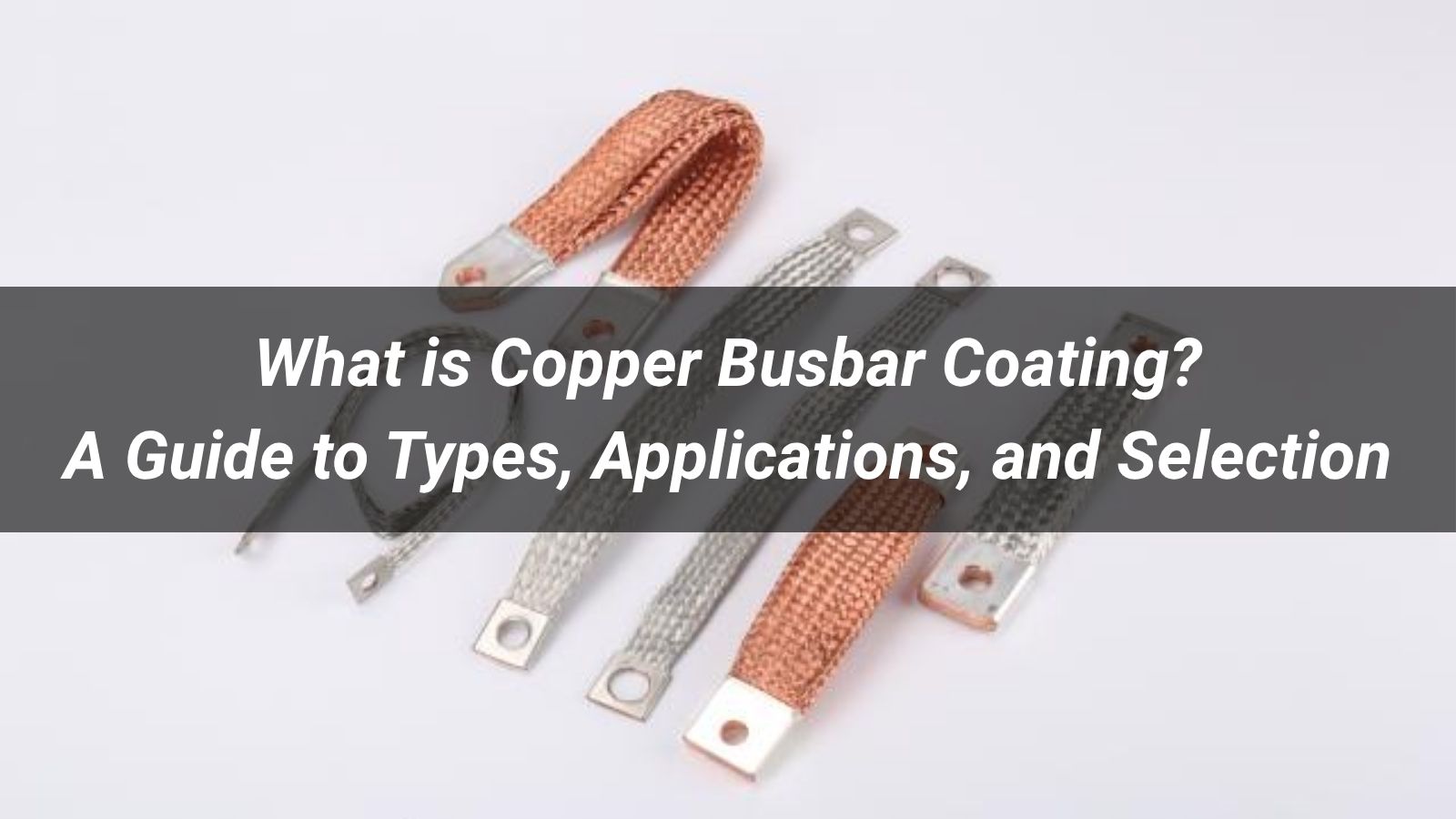
Copper busbar coating is becoming increasingly important as electrical systems demand higher reliability, compact designs, and longer service life. The right coating can protect copper from oxidation and corrosion while maintaining the performance required for modern power distribution and electrical equipment.
Copper busbars may be coated with tin, nickel, silver, or epoxy, depending on whether the priority is conductivity, corrosion protection, or electrical insulation. This makes coating selection especially relevant for:
This guide explains the main copper busbar coating types, their applications, and the key factors behind choosing the right coating—so keep reading to find the most suitable solution for your application.
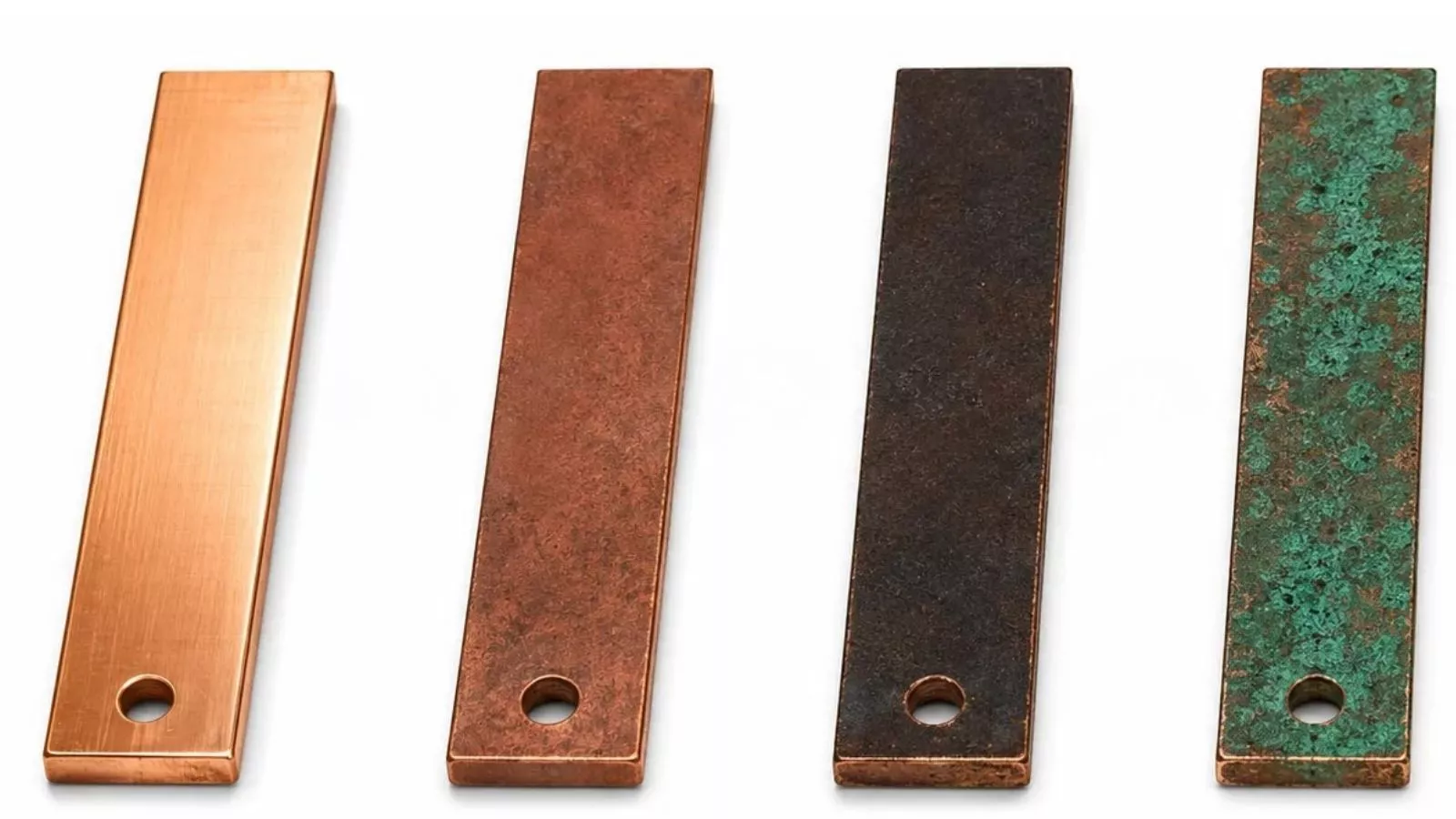
Copper conducts electricity extremely well. But its surface is not immune to the environment.
When a bare copper busbar is exposed to moisture, oxygen, chemicals, or repeated temperature changes, its surface can gradually oxidize. The result may be a dull, darkened surface, higher contact resistance, and reduced connection reliability.
Think of coating as a protective layer. It shields the copper surface while helping the busbar perform reliably in its working environment.
Coating can also provide a different function: electrical insulation.
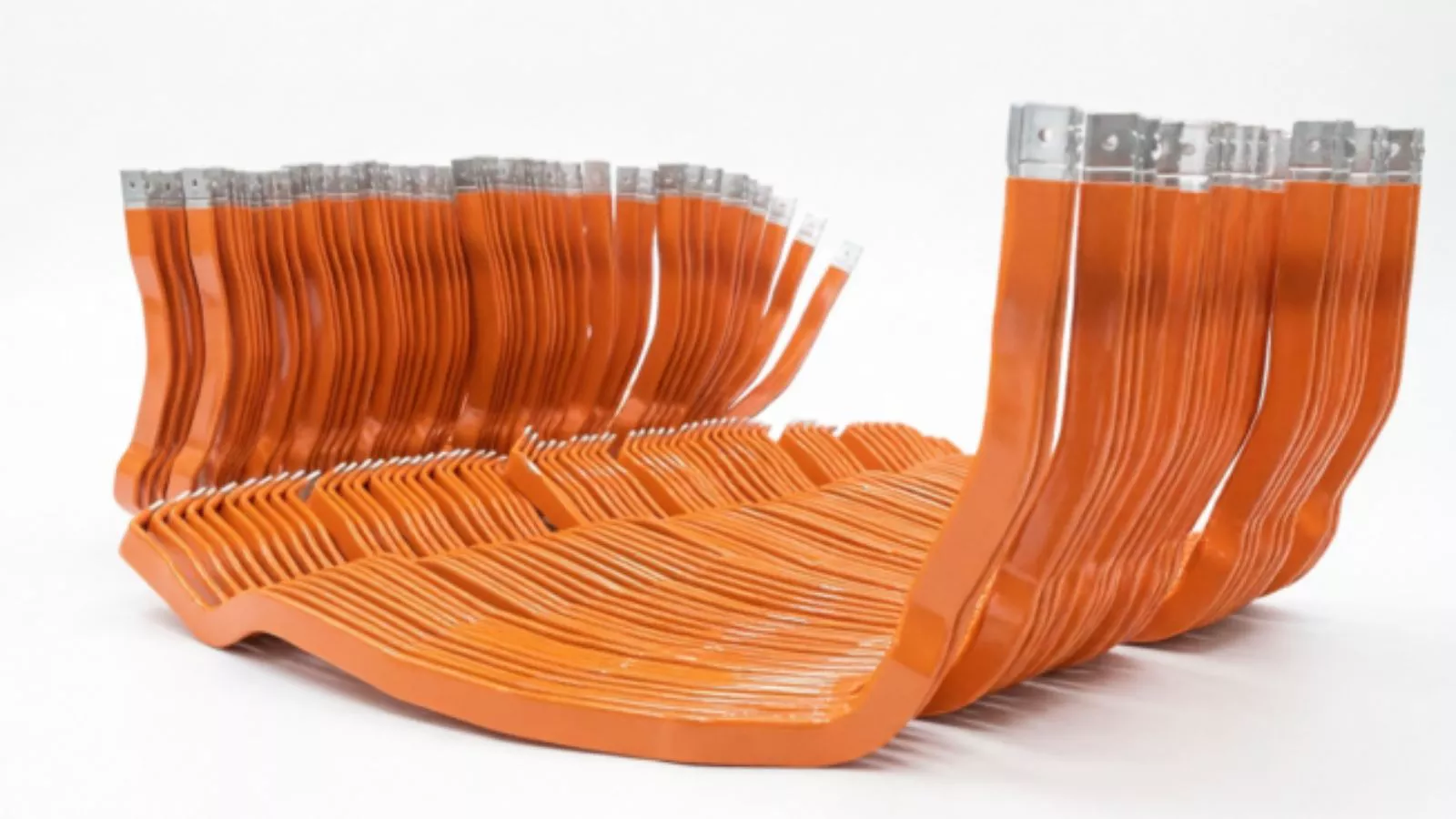
An epoxy-coated busbar can reduce the risk of accidental contact and phase-to-phase short circuits. This is especially useful where several busbars are installed close together.
In simple terms, the right coating can help provide:
The best coating depends on what the busbar needs to do. A conductive contact surface and an insulated busbar require very different treatments.
Tin plating is widely used when the copper surface must remain electrically conductive while gaining better protection.
It helps protect copper from oxidation and provides a stable contact surface for electrical connections.
Typical applications: switchgear, switchboards, distribution equipment, battery systems, and electrical panels.
Nickel provides a hard and durable surface with good corrosion and temperature resistance.
It can be useful when the busbar faces harsher operating conditions or mechanical wear.
Typical applications: industrial electrical equipment, high-temperature environments, and specialized power systems.
Silver has excellent electrical conductivity and is often selected for demanding electrical contact applications.
It is especially attractive when low contact resistance and reliable current transfer are important.
Typical applications: high-current switchgear, electrical contacts, and specialized power equipment.
Epoxy coating serves a different purpose from metal plating. Instead of creating a conductive surface, it creates a protective insulating layer.
Typical applications: battery systems, energy storage, switchgear, power distribution, and insulated busbar assemblies.
Some busbars need both conductivity and insulation.
For example, the connection ends may require tin or silver plating, while the central section needs epoxy insulation. In this case, selective coating can provide protection without covering areas that must remain conductive.
_1788751732_WNo_1600d900.webp)
There is no single coating that is best for every copper busbar. The right choice depends on conductivity, insulation, environment, temperature, and cost.
| Coating | Main Purpose | Electrical Conductivity | Insulation | Corrosion Resistance | Typical Applications |
|---|---|---|---|---|---|
| Bare Copper | Basic electrical conduction | Excellent | No | Limited | Dry indoor applications |
| Tin Plating | Contact protection | Excellent | No | High | Switchgear, panels, battery systems |
| Nickel Plating | Durability and environmental protection | High | No | High | Industrial and demanding environments |
| Silver Plating | High-performance electrical contact | Excellent | No | Excellent | High-current electrical equipment |
| Epoxy Coating | Electrical insulation and protection | Surface is insulated | Yes | Excellent | Battery, switchgear, energy storage |
For example, if the busbar will be bolted directly to another conductive component, a plating solution may be more suitable. If the main concern is preventing accidental contact between adjacent conductors, epoxy coating may be the better choice.
Need both? A busbar can use different surface treatments on different areas. The connection zones can remain conductive, while the exposed sections receive an insulating coating.
The goal is not simply to choose the most expensive coating. It is to choose the coating that matches the busbar's electrical and environmental requirements.
Coating performance starts before the coating is applied. A clean, properly prepared copper surface is essential for good adhesion and consistent protection.
The exact process depends on whether the busbar is being plated or insulated with a coating such as epoxy powder.
The copper busbar is first cleaned to remove oil, grease, oxides, dust, and other contaminants.
This step may look simple, but it has a major effect on the final coating. Poor surface preparation can lead to weak adhesion, uneven coverage, or premature peeling.
For tin, nickel, or silver plating, the prepared busbar goes through a controlled plating process.
The coating is deposited onto the copper surface to create a uniform metallic layer. Areas that must remain uncoated can be masked when required.
For epoxy powder coating, the prepared copper busbar is coated with insulating powder and then heated to cure the material.
The powder melts and forms a continuous protective layer around the busbar. After curing, the surface should be smooth, firmly bonded, and free from obvious defects.
Finished busbars should be checked for coating coverage, adhesion, appearance, dimensions, and other requirements defined by the application.
For plated busbars, electrical and surface performance can be especially important. For epoxy-coated busbars, insulation performance and coating integrity are key considerations.
The coating should be selected according to how the busbar will actually work—not simply by choosing the most popular option.
First, determine whether the coated surface needs to conduct electricity. If the surface is part of an electrical connection, tin, nickel, or silver plating may be appropriate. If the busbar needs to be electrically isolated, an epoxy coating is a better fit.
Consider humidity, condensation, chemicals, dust, and outdoor exposure. A busbar inside a dry electrical cabinet has different requirements from one installed in a humid industrial environment or an outdoor power system.
Temperature changes can affect both the copper and its coating. Mechanical wear also matters. A busbar that is frequently handled or connected may need a more durable surface than one that remains enclosed and undisturbed.
More coating is not automatically better. Thickness should match the application. Excessive coating can affect dimensions, clearances, or connections. Insufficient coverage may leave the copper vulnerable.
Contact areas also need careful control. A connection surface that must remain conductive should not accidentally receive an insulating coating.
For high-volume production, coating cost and process consistency become important.
For customized busbars, factors such as masking, complex shapes, tight tolerances, and small production batches can also affect the final solution.
Different electrical systems place different demands on their busbars. A practical way to choose the coating is to start with the application.
| Application | Common Coating Options | Primary Considerations |
|---|---|---|
| Switchgear and switchboards | Tin plating, silver plating, epoxy coating | Contact reliability, corrosion protection, insulation |
| Battery systems | Tin plating, epoxy coating | Corrosion resistance, insulation, compact installation |
| Energy storage systems | Epoxy coating, tin plating | Electrical insulation and environmental protection |
| EV electrical systems | Tin, nickel, or epoxy coating | Electrical performance, durability, space constraints |
| High-current equipment | Silver or tin plating | Reliable electrical contact and low contact resistance |
| Industrial environments | Nickel plating, tin plating, epoxy coating | Temperature, moisture, chemicals, and mechanical durability |
| Insulated busbar assemblies | Epoxy powder coating | Electrical insulation and surface protection |
Now consider a switchgear connection where the busbar must maintain a reliable conductive contact with another metal component. In this case, a conductive plating such as tin or silver may make more sense.
The right coating depends on the job. Start with the required conductivity, insulation, environment, temperature, and mechanical conditions. Then select the coating that meets those requirements.
For complex designs, a combination of coatings may also be possible. For example, conductive plating can be applied to connection areas while epoxy insulation protects the remaining busbar surface.
Good coating is more than a smooth-looking surface. It needs to provide consistent protection and meet the electrical requirements of the busbar.
Pay attention to coating thickness, adhesion, coverage, and surface condition. Contact areas should also be properly controlled so that conductive connections are not blocked by an insulating coating.
For plated copper busbars, coating uniformity and contact performance are especially important. For epoxy-coated busbars, insulation performance, adhesion, and coating integrity deserve closer attention.
Copper bus bars can be coated with tin, nickel, silver, or epoxy, depending on the application. Metal plating is normally used when the surface needs to remain conductive. Epoxy powder coating is commonly used when electrical insulation is required.
There is no single best coating for every application. Tin plating is a practical choice for many electrical connections, while epoxy is better when insulation is the priority. Nickel or silver may be selected for more demanding temperature, wear, or electrical requirements.
For many high-current applications, copper offers higher electrical conductivity and better compactness than aluminum. Aluminum is lighter and can be more cost-effective for some systems. The better material depends on current, weight, space, temperature, and cost requirements.
Copper bus bars can be heavier and more expensive than aluminum alternatives. Bare copper can also oxidize over time. In compact systems, incorrect spacing or insufficient insulation can create electrical safety risks, which is why suitable coating and proper design are important.
The right copper busbar coating depends on what the busbar needs to do. Tin, nickel, and silver plating can protect conductive surfaces, while epoxy coating provides electrical insulation and environmental protection. Factors such as conductivity, temperature, corrosion exposure, coating thickness, and installation conditions should all be considered before making a choice.
SHZHJ is a China-based manufacturer providing customized copper busbar solutions for different electrical applications. If you need a specific busbar size, plating, epoxy coating, insulation area, or other surface treatment, our team can work with your drawings and technical requirements to develop a suitable solution.
Tell us your busbar dimensions, material, coating requirements, and application. SHZHJ can help you evaluate the right coating solution and provide a quotation for your project.
*We respect your confidentiality and all information are protected.

This article explores the key differences between silver and copper conductors, focusing on resistance, performance, and real-world applications—understanding these factors is essential for making informed decisions.

This guide explains how flexible copper busbars work, how to select the right one, and why your choice directly impacts system reliability.

In the railway and heavy equipment industry, locomotive contacts are small but critical components that make or break electrical circuits inside contactors, relays, and switches.