
+86-21-37782156
info@shzhj.com

Laminated shunts are widely used in high-current electrical systems where reliable current transfer and flexibility are both important. In resistance welding, their layered copper construction helps handle repeated movement, vibration, and high current demands.
A laminated shunt is essentially a flexible electrical connector made from multiple thin copper layers. It provides a low-resistance current path while allowing movement between connected components. As manufacturers increasingly focus on automation, higher welding speeds, and reliable equipment performance, demand for flexible high-current connections continues to grow. This information is especially useful for:
This article explains the structure, function, applications, and selection of laminated shunts, helping you choose the right solution for your equipment. Keep reading to understand what matters when selecting a laminated shunt.
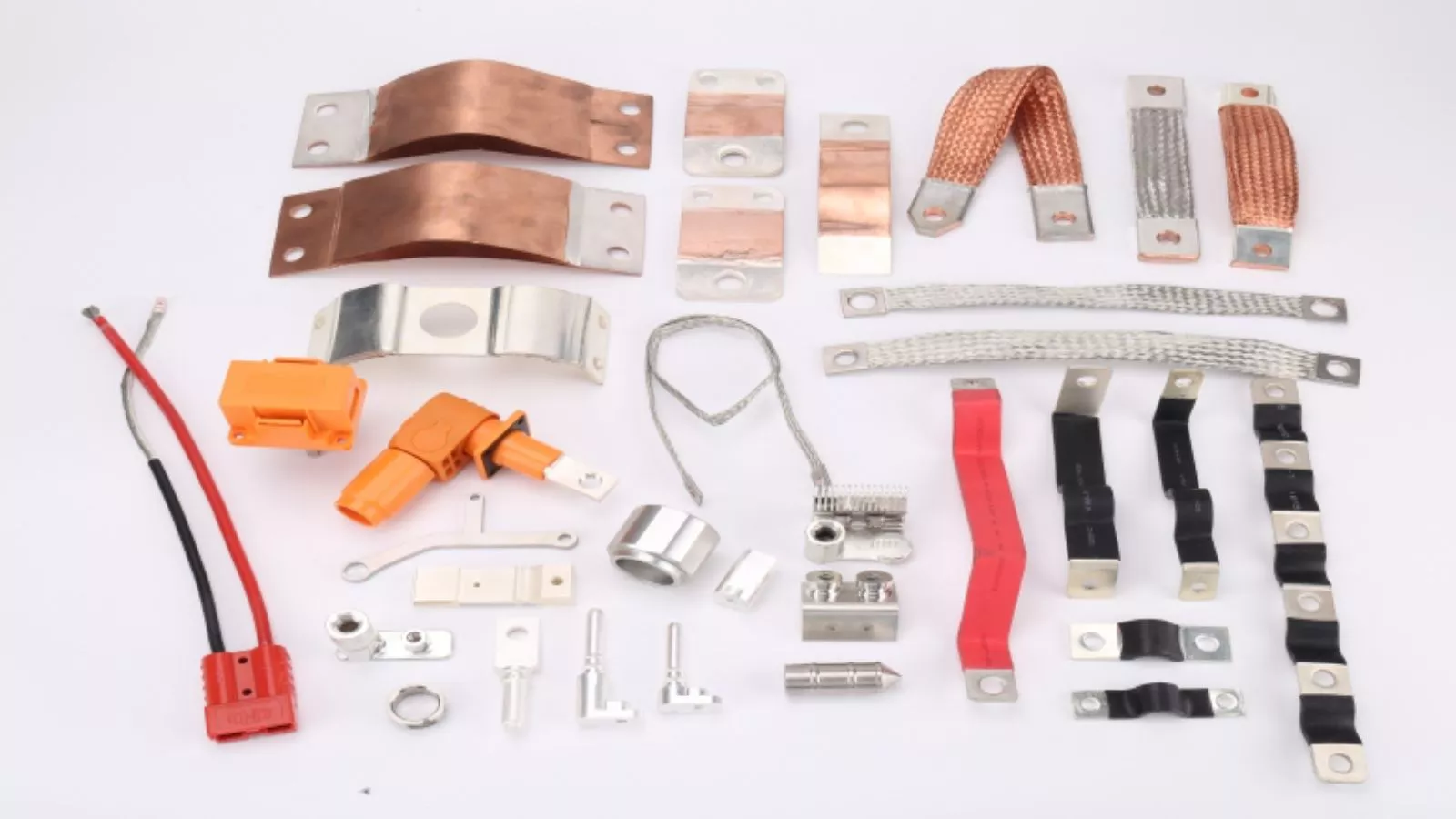
A laminated shunt is designed to provide a flexible and reliable path for high electrical current. It connects conductive parts while allowing movement, vibration, and thermal expansion inside equipment.
In resistance welding systems, the main job of a laminated shunt is to transfer welding current efficiently while reducing electrical losses and mechanical stress.
Imagine a spot welding gun working thousands of times every day. Each weld creates a sudden burst of high current and heat. A rigid copper connector may experience repeated stress over time, while a laminated shunt can flex slightly with each movement and continue delivering stable current.
Unlike a solid copper bar, a laminated shunt consists of multiple thin copper layers stacked together. These layers create flexibility without sacrificing conductivity. Its key functions include:
| Function | How It Helps |
|---|---|
| High current transmission | Provides a low-resistance path for welding current. |
| Flexibility | Allows movement between connected components in welding equipment. |
| Heat management | Helps reduce heat buildup caused by electrical resistance. |
| Mechanical stress reduction | Absorbs vibration and repeated movement during operation. |
Because of these advantages, laminated shunts are widely used in resistance welding machines, welding guns, transformers, and other high-current equipment where reliable electrical performance is critical.
A laminated shunt forms a flexible electrical connection between conductive components in a resistance welding system.
During welding, the transformer supplies a large current to the welding circuit. The shunt helps carry this current from one connection point to another with low electrical resistance.
The welding gun may move, rotate, or vibrate during operation. The laminated structure allows the shunt to flex with these movements instead of transferring all the mechanical stress to the connection points.
For example: A robotic spot welding gun moves back and forth thousands of times during a production shift. Each movement slightly bends the shunt. The thin copper layers can flex together, helping maintain a stable current path while reducing stress on the terminals.
This combination of electrical conductivity and mechanical flexibility makes laminated shunts especially useful in moving sections of resistance welding equipment.
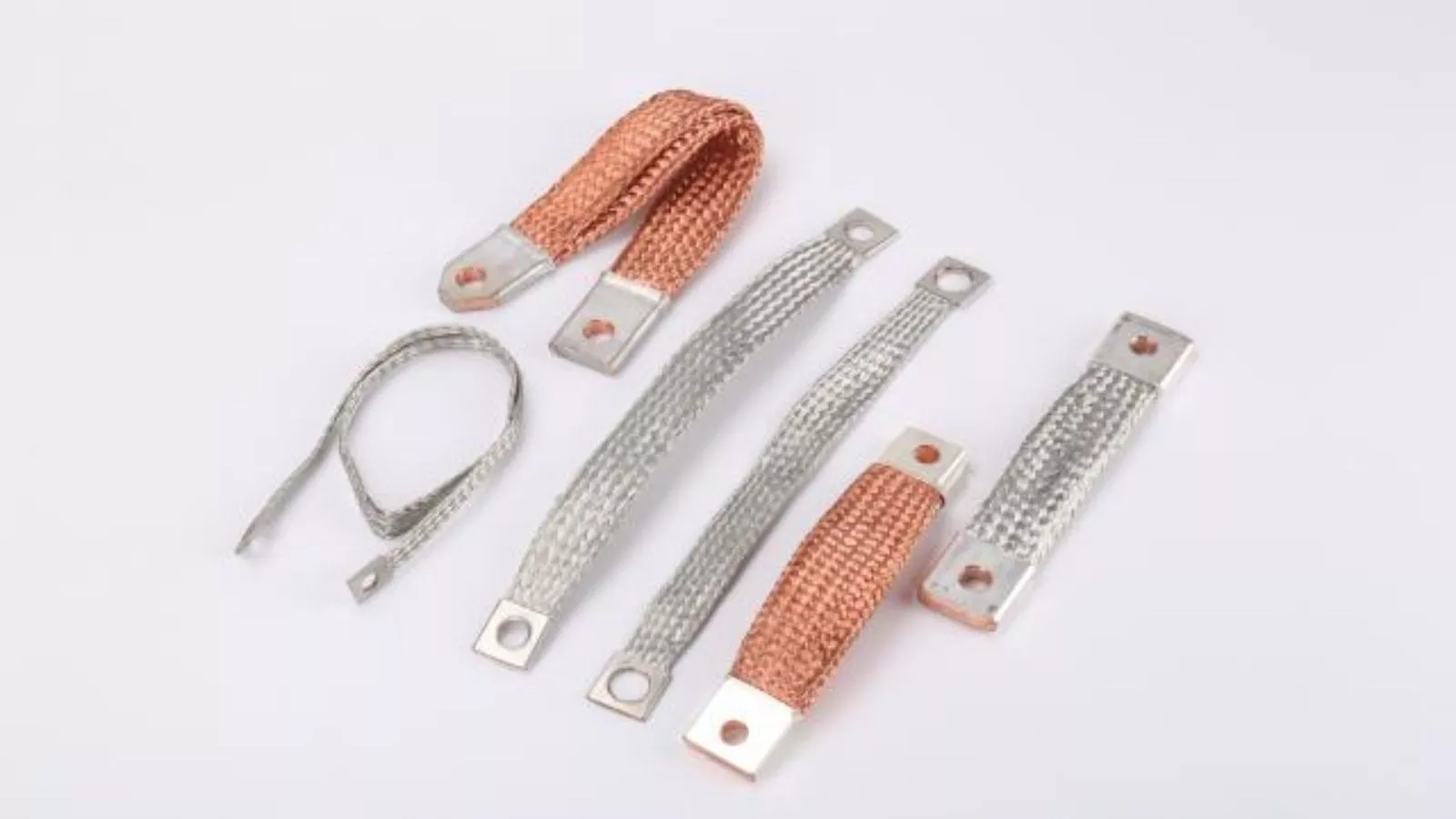
The main material is usually high-conductivity copper. The shunt is built from multiple thin copper strips or laminations stacked together.
These individual layers are thin enough to provide flexibility while maintaining an efficient path for high current.
| Component | Typical Material or Feature | Purpose |
|---|---|---|
| Copper laminations | High-conductivity copper | Carry electrical current |
| Terminal ends | Copper or treated copper | Connect the shunt to equipment |
| Fasteners or joints | Riveted, pressed, or welded construction | Hold the copper layers together |
The exact construction depends on the application. Current capacity, available space, flexibility, and mounting method all affect the final design.
For high-current welding equipment, material selection is important. High-conductivity copper helps keep electrical losses and unwanted heat under control.
The biggest difference is flexibility. A solid copper bar can carry high current, but it is rigid. It may not be suitable where two connection points move relative to each other.
A laminated shunt combines high conductivity with controlled flexibility. This makes it easier to handle repeated movement and vibration.
| Feature | Laminated Shunt | Solid Copper Conductor |
|---|---|---|
| Electrical conductivity | High | High |
| Flexibility | Excellent | Low |
| Movement tolerance | Well suited for moving connections | Limited |
| Vibration absorption | Better suited to repeated vibration | More rigid |
| Custom shapes | Available for different installations | More limited |
So, the choice is not simply about carrying current. In applications with movement, vibration, or tight installation spaces, the flexible laminated structure can provide a practical advantage.
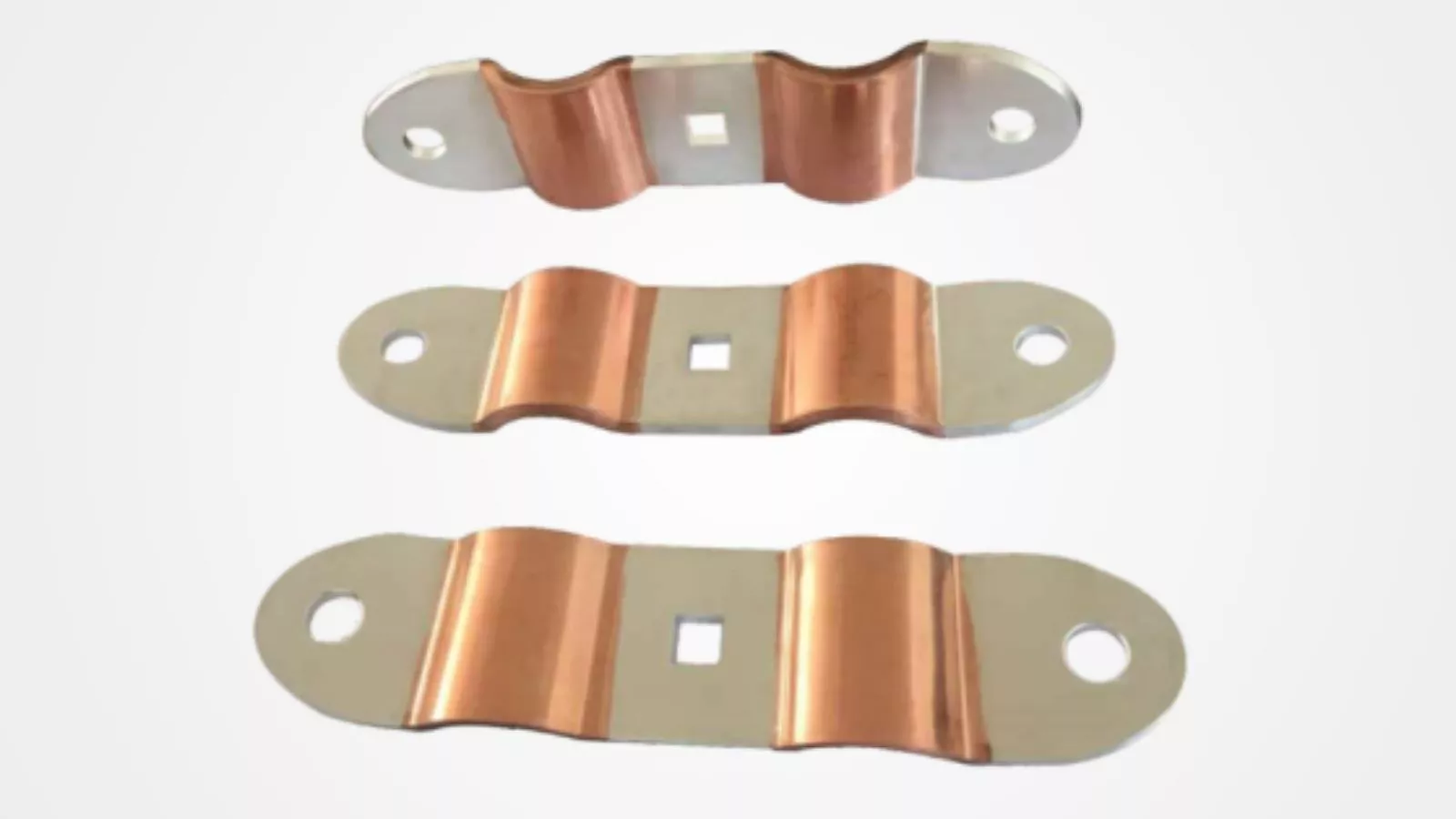
Laminated shunts come in different shapes and sizes to fit specific equipment layouts. The design usually depends on the available space, connection points, and required current capacity.
Common designs include straight, C-shaped, L-shaped, and custom-formed shunts.
| Type | Typical Use |
|---|---|
| Straight Shunt | Simple connections between two fixed conductive points |
| C-Shaped Shunt | Connections where additional flexibility or clearance is needed |
| L-Shaped Shunt | Installations with angled connection points |
| Custom Shunt | Special equipment layouts and application-specific requirements |
These shunts are commonly found in resistance welding equipment, including spot welding machines, welding guns, and transformer connections.
Beyond welding, laminated copper shunts can also be used in transformers, switchgear, power distribution equipment, and other high-current electrical systems.
The manufacturing process focuses on two things: reliable current transfer and controlled flexibility.
First, thin copper strips are prepared according to the required width and thickness. Multiple layers are then assembled to form the shunt body.
The ends are formed and joined based on the required connection method. Depending on the design, manufacturers may use riveting, pressing, welding, or other joining methods.
The shunt is then formed into the required shape. Holes, terminals, bends, and other features can be added according to the equipment drawing.
Finally, the finished part is inspected for dimensions, connections, surface condition, and overall workmanship.
For a custom welding shunt, even a small dimensional difference can affect installation. The terminal position must line up correctly with the equipment. This is why drawings or samples are often used during production.
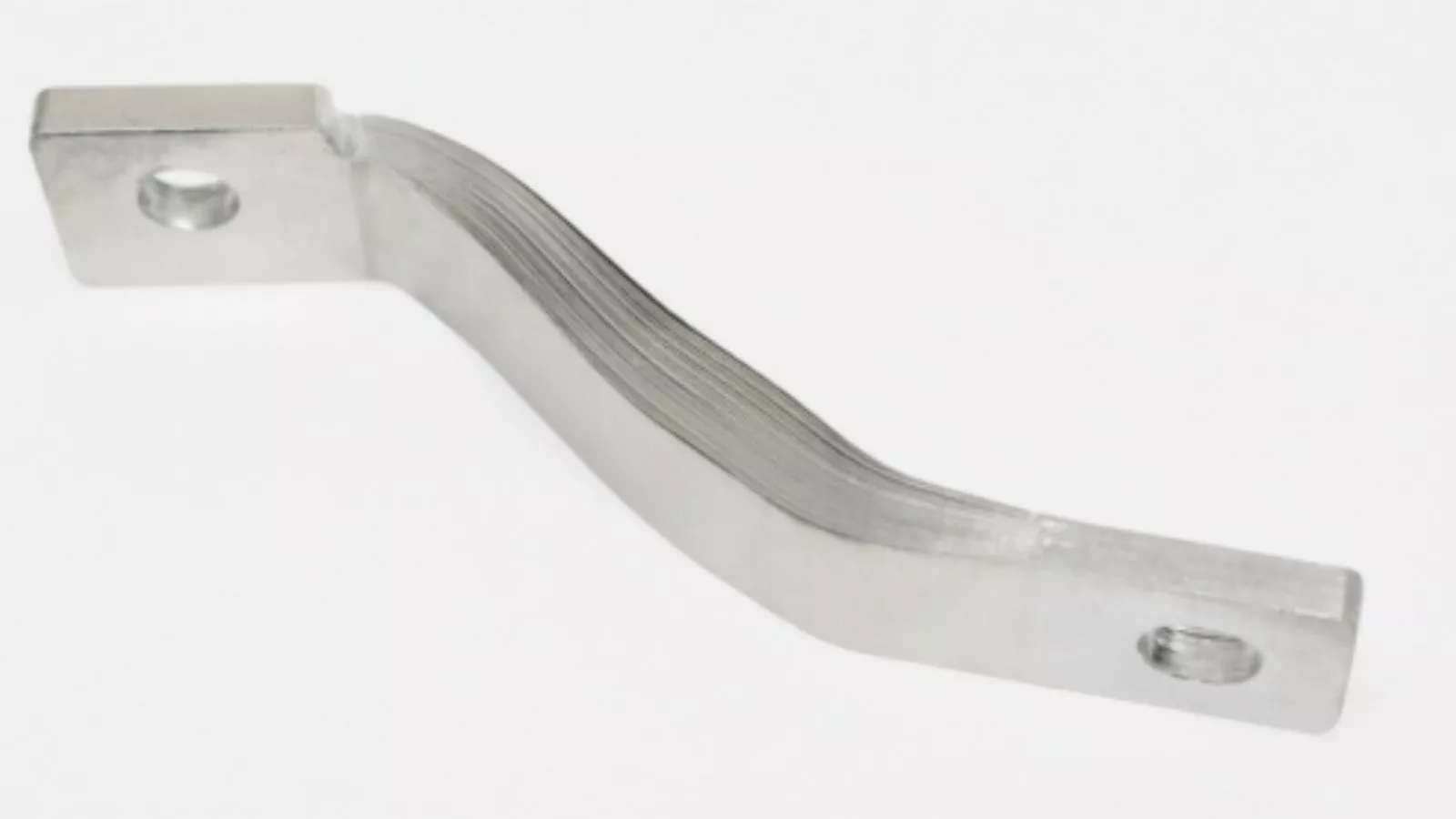
The right shunt depends on both electrical and mechanical requirements. Start with the working conditions rather than choosing by size alone. Key factors include:
| Factor | What to Consider |
|---|---|
| Current capacity | Required welding or operating current |
| Dimensions | Length, width, and overall thickness |
| Shape | Available installation space and connection direction |
| Connection | Hole size, hole spacing, terminal design, or mounting method |
| Flexibility | Required bending and movement during operation |
| Operating conditions | Heat, vibration, frequency of movement, and installation environment |
For custom orders, a technical drawing is the best starting point. A simple sketch or existing sample can also provide useful information.
If the exact dimensions are not yet confirmed, the manufacturer can help determine a suitable design based on the equipment and operating requirements.
Shunting occurs when part of the welding current takes an unintended or alternative path instead of flowing through the intended weld zone. It can reduce the current available for making the weld.
A shunt is normally connected between conductive components that need a flexible, low-resistance current path. The exact connection depends on the equipment design and mounting points.
In electrical applications, a shunt generally refers to a conductive path that carries current between two points. In high-current equipment, it can provide a flexible connection while minimizing electrical resistance.
A transformer shunt is a conductive connection used in or around a transformer circuit. In resistance welding equipment, laminated copper shunts can provide flexible high-current connections between the transformer and other components.
A laminated shunt provides a practical combination of high-current conductivity and mechanical flexibility. Its layered copper construction allows it to handle repeated movement, vibration, and demanding electrical conditions, making it useful in resistance welding equipment and other high-current applications.
Choosing the right shunt requires more than matching dimensions. Current requirements, installation space, connection details, flexibility, and operating conditions should all be considered. For custom applications, a drawing, sample, or equipment specification can help determine the right design.
SHZHJ supplies laminated copper shunts and custom high-current electrical connection solutions from China. If you have a specific size, shape, current requirement, or drawing, our team can evaluate your application and provide a suitable solution.
*We respect your confidentiality and all information are protected.

This article explores the key differences between silver and copper conductors, focusing on resistance, performance, and real-world applications—understanding these factors is essential for making informed decisions.

This guide explains how flexible copper busbars work, how to select the right one, and why your choice directly impacts system reliability.

In the railway and heavy equipment industry, locomotive contacts are small but critical components that make or break electrical circuits inside contactors, relays, and switches.