
+86-21-37782156
info@shzhj.com
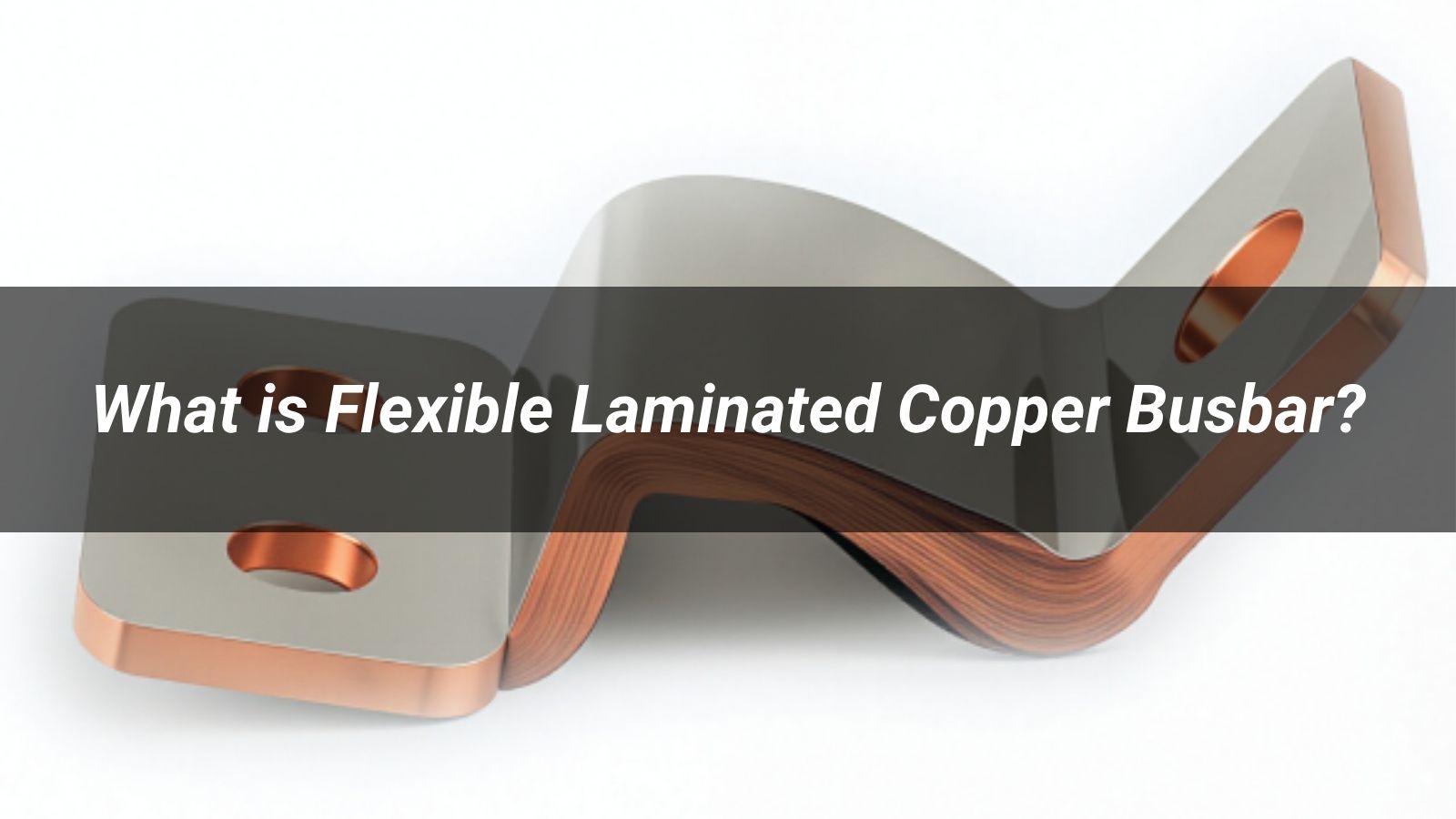
As demand for compact and high-performance power systems continues to grow, the flexible laminated copper busbar has become an important connection solution in industries such as electric vehicles, energy storage, and power electronics. Its ability to handle high current while saving space makes it increasingly valuable for modern electrical designs.
A flexible laminated copper busbar is a multi-layer conductor made from copper sheets and insulation materials, designed to provide efficient current transmission with low resistance and reduced inductance. This solution is widely considered by:
This guide explains the structure, materials, advantages, applications, and selection factors of flexible laminated copper busbars, helping you understand why choosing the right design is essential for system performance. Continue reading to explore how this technology can support your next project.
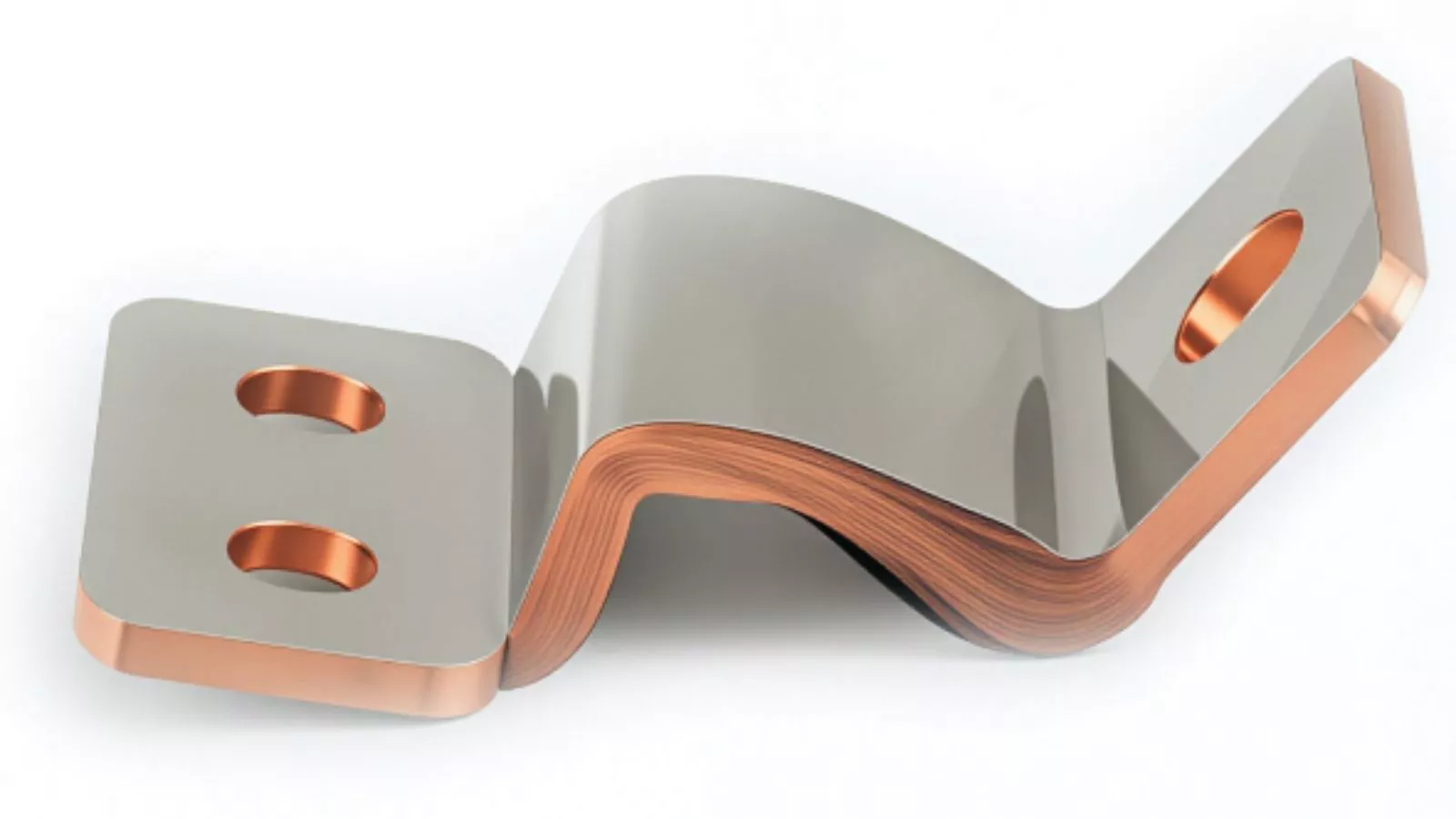
A flexible laminated copper busbar transfers high electrical current through multiple layers of copper sheets bonded together with insulation materials.
Unlike traditional cables, it uses a flat and compact structure. The copper layers create a low-resistance path, while the insulation layers keep each conductive layer separated and protected.
Imagine an EV battery pack. Inside a limited space, hundreds of amps need to flow safely between battery modules. A flexible laminated copper busbar can bend into the required position, fit tightly between components, and maintain stable current transmission without using bulky cable assemblies.
The working principle mainly depends on three parts:
| Component | Function |
|---|---|
| Multiple copper layers | Provide high electrical conductivity and handle large current loads. |
| Insulation layers | Prevent short circuits and improve electrical safety. |
| Flexible connection area | Allows movement, vibration absorption, and easier installation. |
The laminated structure also helps reduce electrical losses. Because the copper layers are arranged closely together, the magnetic field between conductors is minimized, which can reduce inductance in high-frequency power applications.
For example, in a battery energy storage system, a laminated flexible busbar can connect battery modules inside a narrow cabinet. Engineers can avoid multiple cables crossing each other, making the system cleaner and easier to maintain.
Compared with conventional copper cables, a laminated flexible busbar provides a more organized current path. The flat design improves space utilization and supports the trend toward smaller and more powerful electrical systems.
A laminated copper busbar is built by combining several thin copper layers with electrical insulation materials. The final structure is designed according to current requirements, installation space, and mechanical conditions.
The main conductor material is usually high-conductivity copper. Multiple copper sheets or foils are stacked together to increase current capacity while keeping the structure compact.
Between each copper layer, an insulation film is added. Common insulation materials include PET, Mylar, and polyimide films.
| Material | Purpose |
|---|---|
| Copper foil or copper sheet | Provides excellent electrical conductivity and current carrying capability. |
| PET/Mylar insulation | Offers reliable electrical isolation for general applications. |
| Polyimide insulation | Provides higher temperature resistance for demanding environments. |
For example, an EV battery manufacturer may need a compact connection between battery modules. Engineers can adjust copper thickness, layer numbers, and insulation materials to create a laminated flexible busbar that fits the exact battery layout.
One of the biggest advantages of a laminated flexible busbar is design flexibility.
The shape, thickness, terminal position, and bending direction can be customized based on the application. This allows manufacturers to solve installation challenges in limited spaces.
A real-world example: In a compact power inverter, there may only be a few centimeters between the DC terminal and power module. A customized laminated copper busbar can be shaped around nearby components instead of forcing engineers to redesign the entire system.
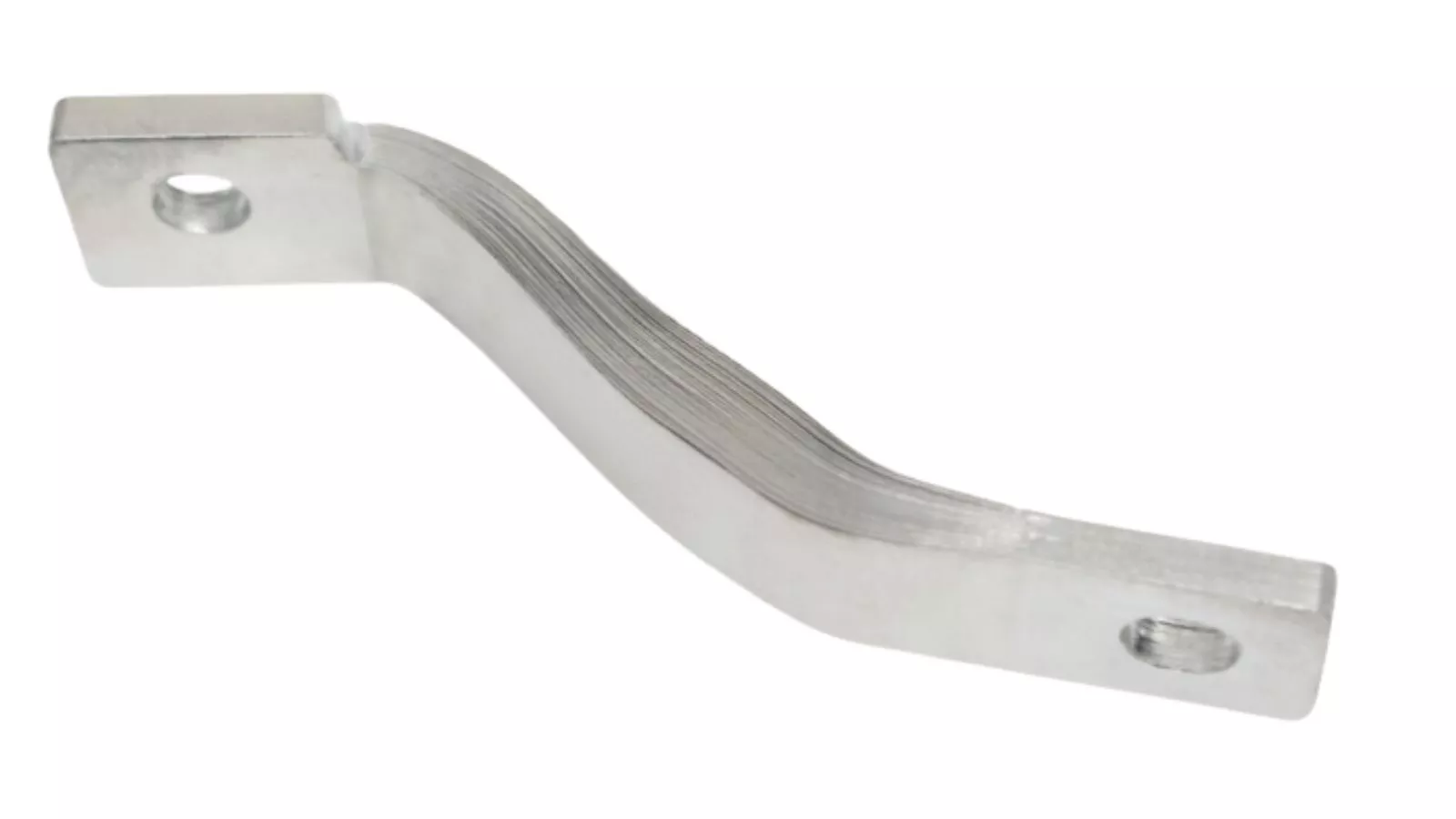
Traditional connections usually rely on cables or rigid copper bars. While these solutions work well in many applications, they may create challenges when systems require higher power density and better space utilization.
A laminated copper busbar provides a cleaner and more efficient alternative for modern electrical systems.
| Feature | Laminated Copper Busbar | Traditional Cable Connection |
|---|---|---|
| Space usage | Compact flat design saves installation space. | Requires more routing space and cable bending area. |
| Electrical performance | Lower resistance and reduced inductance. | Higher parasitic effects in some high-power applications. |
| Installation | Pre-designed shapes simplify assembly. | Requires manual cable arrangement and fixing. |
| Reliability | Fewer connection points reduce potential failures. | Multiple terminals and joints may increase risks. |
The flat layered structure also improves heat distribution. Instead of concentrating current inside a round cable, the larger surface area helps spread heat more effectively.
Think about a high-power charging system. During continuous operation, hundreds of amps generate heat quickly. A well-designed laminated flexible busbar helps maintain stable performance while keeping the connection area organized and easy to inspect.
Another important benefit is reduced inductance. This makes laminated busbars suitable for applications involving fast switching devices, such as power converters and semiconductor modules.
Flexible laminated busbars are widely used in industries where high current, compact design, and reliable connections are required.
Electric vehicles require lightweight and compact power connections. Flexible laminated busbars are commonly used between battery modules, battery packs, and power control units.
They can handle high current flow while adapting to the limited space inside battery enclosures.
Example: Inside an EV battery pack, dozens of battery modules must work together. A customized laminated flexible busbar can connect these modules neatly without adding unnecessary cable weight.
Energy storage cabinets contain many battery cells and power connections. Space efficiency and safety are critical.
Laminated flexible busbars are used for:
High-speed switching devices require low-inductance connections. Laminated copper busbars are often used in:
In these applications, a stable current path can directly influence efficiency and system reliability.
Manufacturers also use copper laminated flexible connectors in electrical cabinets, automation equipment, and high-current distribution systems.
Their compact structure helps engineers create cleaner layouts while maintaining strong electrical performance.
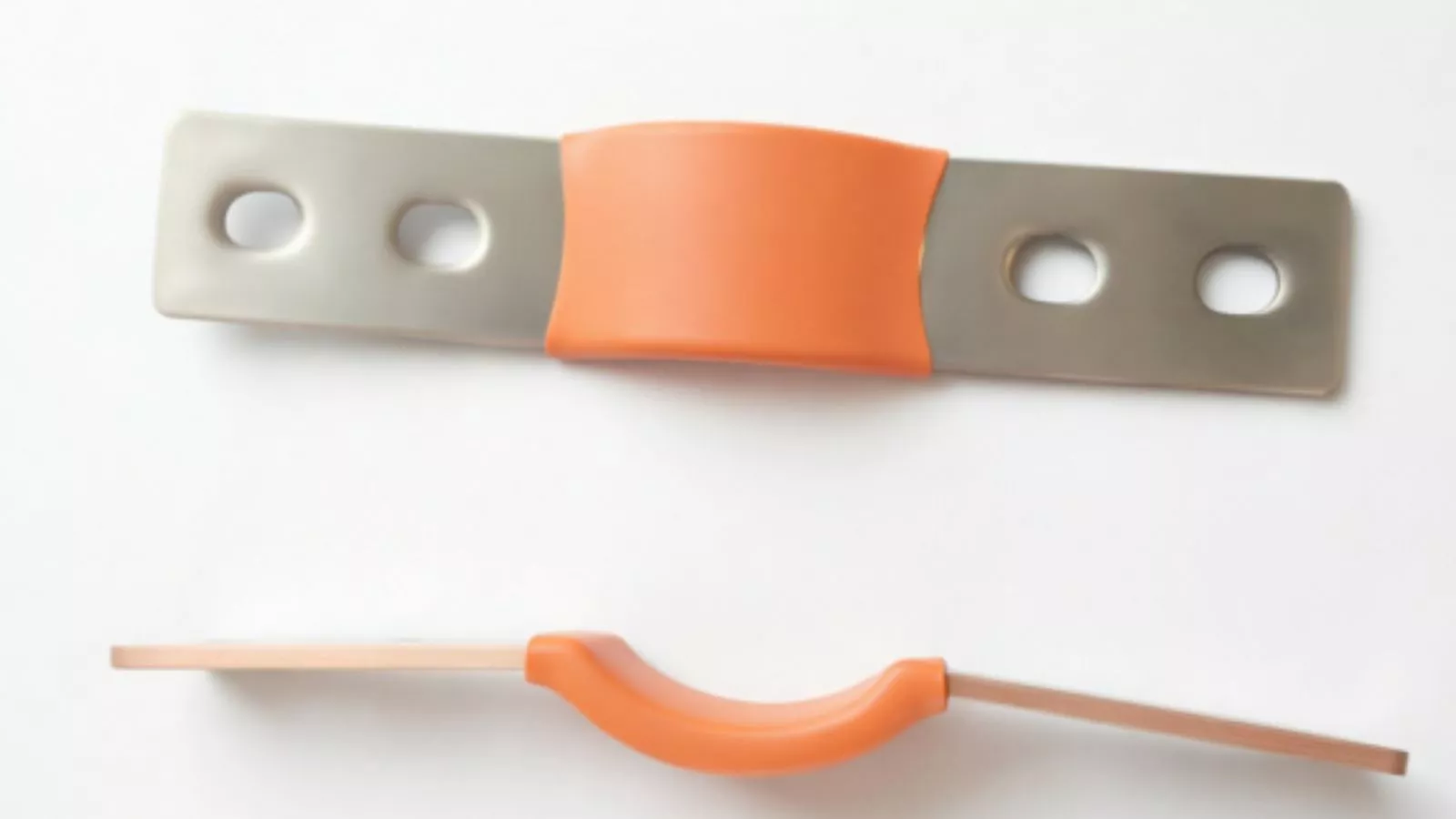
The manufacturing process of a laminated flexible busbar requires precise control of copper layers, insulation materials, and connection areas.
Unlike a simple copper bar, a laminated busbar is a customized electrical component. Each layer must be positioned accurately to achieve reliable current transmission and long-term performance.
The process starts with selecting copper sheets or copper foils based on the required current capacity and design specifications.
The copper material is then cut into the required shape and size. The thickness and number of copper layers directly influence electrical performance.
After copper preparation, insulation films are placed between conductive layers. The copper and insulation layers are aligned and bonded together through a controlled lamination process.
| Manufacturing Step | Main Purpose |
|---|---|
| Copper layer preparation | Creates the main conductive path. |
| Insulation lamination | Provides electrical isolation between layers. |
| Pressing and bonding | Creates a stable multi-layer structure. |
| Terminal processing | Ensures reliable connection with other components. |
For example, in an EV battery pack, dozens of connection points must work reliably under vibration and temperature changes. A well-manufactured laminated flexible busbar helps maintain stable electrical contact throughout the vehicle's service life.
After forming the main structure, manufacturers may apply surface treatments such as tin plating or nickel plating.
These treatments help improve:
Quality control is critical. Before shipment, laminated copper busbars are usually inspected for dimensions, insulation performance, conductivity, and appearance to ensure they meet application requirements.
Every electrical system has different requirements. A standard busbar may not always fit the available space, current demand, or installation method.
A custom laminated copper busbar solution allows engineers to create a connection designed specifically for their application.
Modern power systems are becoming smaller while handling higher power levels.
Custom laminated flexible busbars can be designed with specific shapes, bends, and terminal positions to fit complex layouts.
Example: A battery manufacturer may have multiple modules arranged closely inside a compact enclosure. Instead of using several cables, a customized laminated flexible busbar can follow the module layout and create a cleaner internal structure.
Different applications require different electrical characteristics.
Manufacturers can adjust:
This makes laminated copper busbars suitable for applications ranging from EV battery systems to industrial power equipment.
A customized design reduces unnecessary connections and simplifies installation. Fewer connection points can help reduce potential failure risks caused by loose terminals, vibration, or overheating.
| Custom Solution Benefit | Value for Users |
|---|---|
| Application-specific design | Better fit with existing equipment layout. |
| Optimized copper structure | Improved current capacity and thermal performance. |
| Customized insulation | Enhanced electrical safety. |
| Integrated connection design | Faster installation and easier maintenance. |
For manufacturers of EVs, energy storage systems, and power electronics, choosing a customized laminated flexible busbar can improve both product performance and assembly efficiency.
Flexible copper busbars are used for high-current connections in EV batteries, energy storage systems, power converters, switchgear, and industrial electrical equipment. They provide compact installation and reliable current transmission.
A laminated bus bar is a multi-layer electrical conductor made by stacking copper layers with insulation materials. It is designed to provide efficient power distribution with reduced inductance and improved space utilization.
Copper is widely used because it offers excellent electrical conductivity and thermal performance. Aluminum is also used when lightweight design and cost reduction are more important.
Flexible bus bars are commonly installed with battery modules, power semiconductor devices, inverters, electrical cabinets, and other high-current components that require compact connections.
Copper provides higher conductivity and better connection reliability, making it suitable for high-performance applications. Aluminum is lighter and more economical, so the best choice depends on the system requirements.
Flexible laminated copper busbars provide an efficient solution for modern high-current electrical systems. With advantages such as compact structure, low inductance, reliable performance, and flexible customization, they are widely used in EV batteries, energy storage, power electronics, and industrial applications.
Choosing the right busbar design requires careful consideration of current capacity, insulation requirements, installation space, and application environment. A professional manufacturer can help optimize the structure and materials for better system performance.
SHZHJ specializes in customized copper busbar solutions, including laminated flexible busbars, copper laminated flexible connectors, and other high-performance electrical connection components. With manufacturing experience in China and a focus on quality and customization, SHZHJ supports customers in developing reliable power connection solutions for different industries.
If you are looking for a customized laminated copper busbar for your project, contact SHZHJ to discuss your requirements and get a suitable solution.
*We respect your confidentiality and all information are protected.

This article explores the key differences between silver and copper conductors, focusing on resistance, performance, and real-world applications—understanding these factors is essential for making informed decisions.

This guide explains how flexible copper busbars work, how to select the right one, and why your choice directly impacts system reliability.

In the railway and heavy equipment industry, locomotive contacts are small but critical components that make or break electrical circuits inside contactors, relays, and switches.