
+86-21-37782156
info@shzhj.com
As electrical systems move toward higher power density and more compact designs, the silver plated copper busbar is gaining attention in demanding power applications. It combines the high conductivity of copper with a silver-plated surface designed for reliable electrical contact and improved surface stability.
So, what is silver plated copper, and why is it used for busbars? In simple terms, it is a copper busbar covered with a controlled layer of silver. The copper carries most of the current, while the silver surface can help reduce contact resistance and improve resistance to surface oxidation. This makes it relevant to:
This guide explains the structure, performance, applications, manufacturing process, and selection factors of silver plated copper busbars, showing why the right material and plating specification matter for long-term electrical reliability. Read on to see how to choose the right solution for your application.
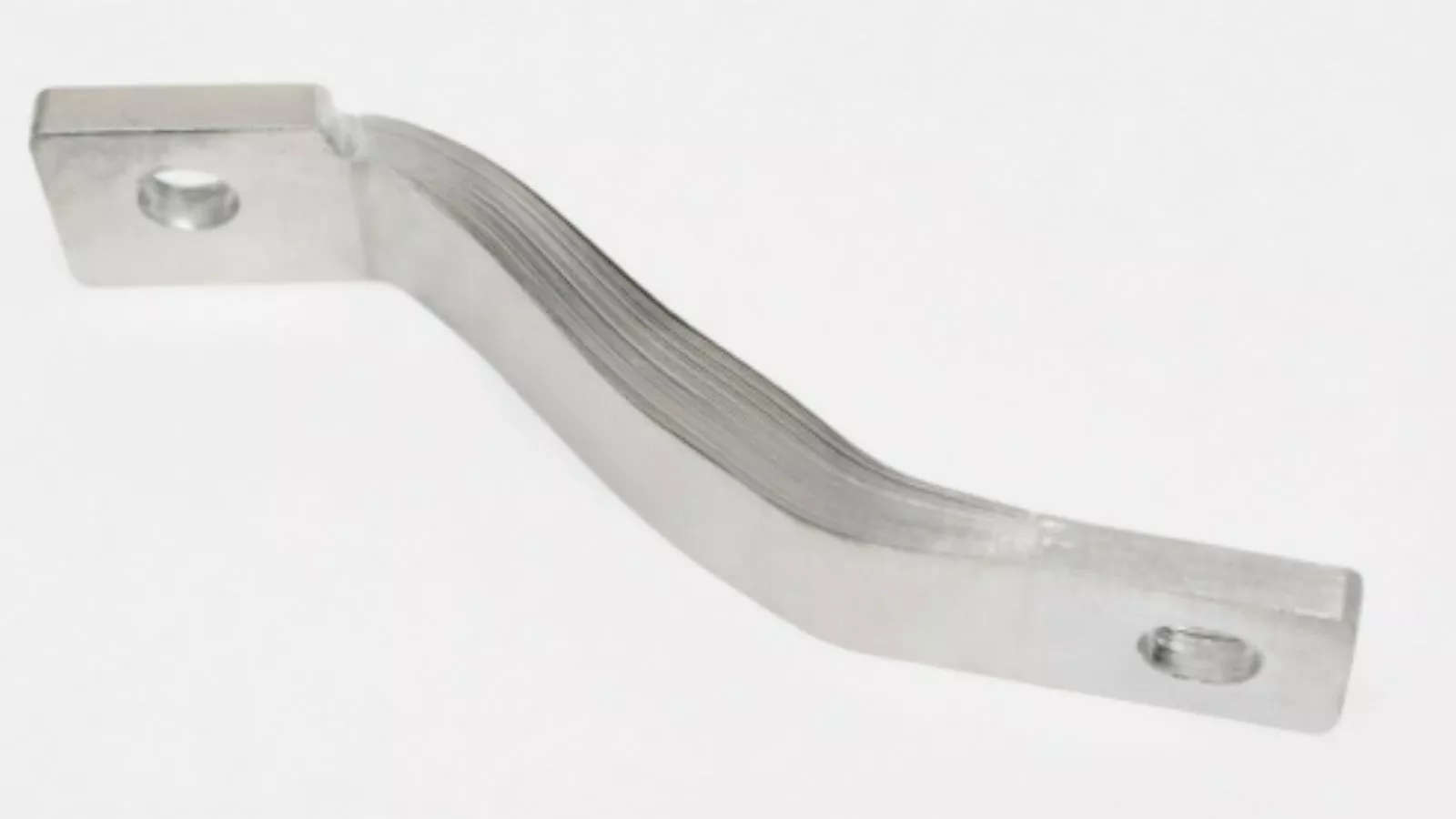
A silver plated copper busbar has a simple structure: a copper core with a thin silver layer on its surface.
The copper provides the main current-carrying path. The silver coating protects and improves the working surface, especially at electrical contact points.
The copper body makes up most of the busbar. It provides high electrical conductivity and good thermal performance. The busbar can then be cut, bent, drilled, or formed to match the installation.
The silver layer covers the required surface areas of the copper busbar. Silver has excellent electrical conductivity. More importantly for many connections, it provides a clean and stable contact surface.
This is especially useful where busbars are bolted together, connected to terminals, or exposed to demanding operating conditions.
Silver plating is not simply a decorative finish. It solves several practical problems at the busbar surface.
The contact surface is where two conductive parts meet.
A clean, conductive silver surface can help maintain low and stable contact resistance. This matters in high-current applications, where even small losses can become heat.
Picture two busbars tightened together inside a power cabinet. Current passes through the connection continuously. A poor contact can become warm. A good contact stays electrically stable.
Copper surfaces can oxidize when exposed to air and moisture. Silver plating provides a more stable surface for electrical contact. This can be valuable in equipment that needs reliable connections for long periods.
The silver surface can provide better resistance to surface corrosion than untreated copper in many operating environments.
This does not mean the busbar is immune to every corrosive condition. Plating quality, thickness, environment, and storage all matter.
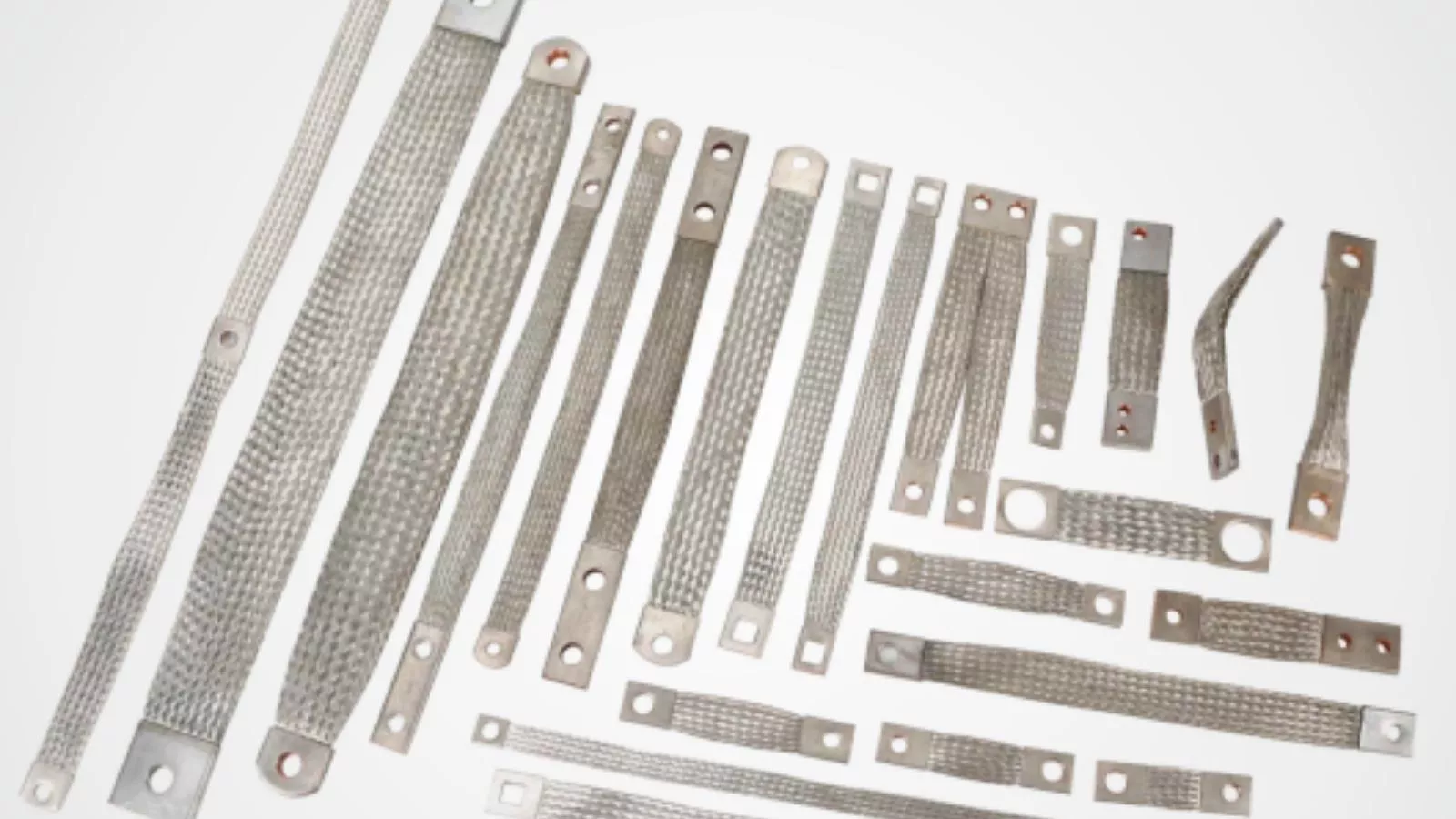
Silver plated copper busbars are mainly used where electrical connections need both high conductivity and dependable surface performance.
| Application | Why Silver Plated Copper? |
|---|---|
| Switchgear | Reliable high-current connections and stable contact surfaces |
| Battery Systems | Suitable for compact, high-current electrical connections |
| Energy Storage | Supports reliable connections in power distribution assemblies |
| Electric Vehicles | Useful where space, current density, and connection reliability matter |
| Power Electronics | Helps maintain low-resistance electrical interfaces |
Inside a switchgear cabinet, busbars may carry large amounts of current through compact spaces. The connections are often bolted or mechanically joined. A reliable contact surface is therefore critical.
Battery systems often combine high current with limited installation space.
For example, a busbar connecting battery modules may have to carry substantial current while maintaining a compact profile. Silver plating can provide a high-quality surface at the connection points.
EV power systems demand efficient current transmission in relatively small assemblies.
Silver plated copper busbars can be used in selected high-current connections where electrical performance and long-term contact reliability are important.
The same principle applies to power electronics. When current flows through a compact assembly, the quality of each electrical interface matters.
In real equipment, a busbar is judged by more than its conductivity on paper. The connection must remain stable after months or years of operation.
Silver plating provides a highly conductive contact surface.
This can help maintain low and stable contact resistance, particularly at bolted or mating connections.
Copper remains the main current-carrying material. The silver coating mainly improves the surface characteristics.
This makes silver plated copper busbars useful for demanding connections where current, temperature, and space are all important.
Electrical connections do not operate in a perfect laboratory environment.
Humidity, temperature changes, oxidation, and contamination can affect exposed metal surfaces. A properly applied silver coating helps provide a more stable contact surface.
The key benefit is consistency. The goal is not simply to achieve excellent conductivity on day one. It is to help the connection remain dependable during long-term service.
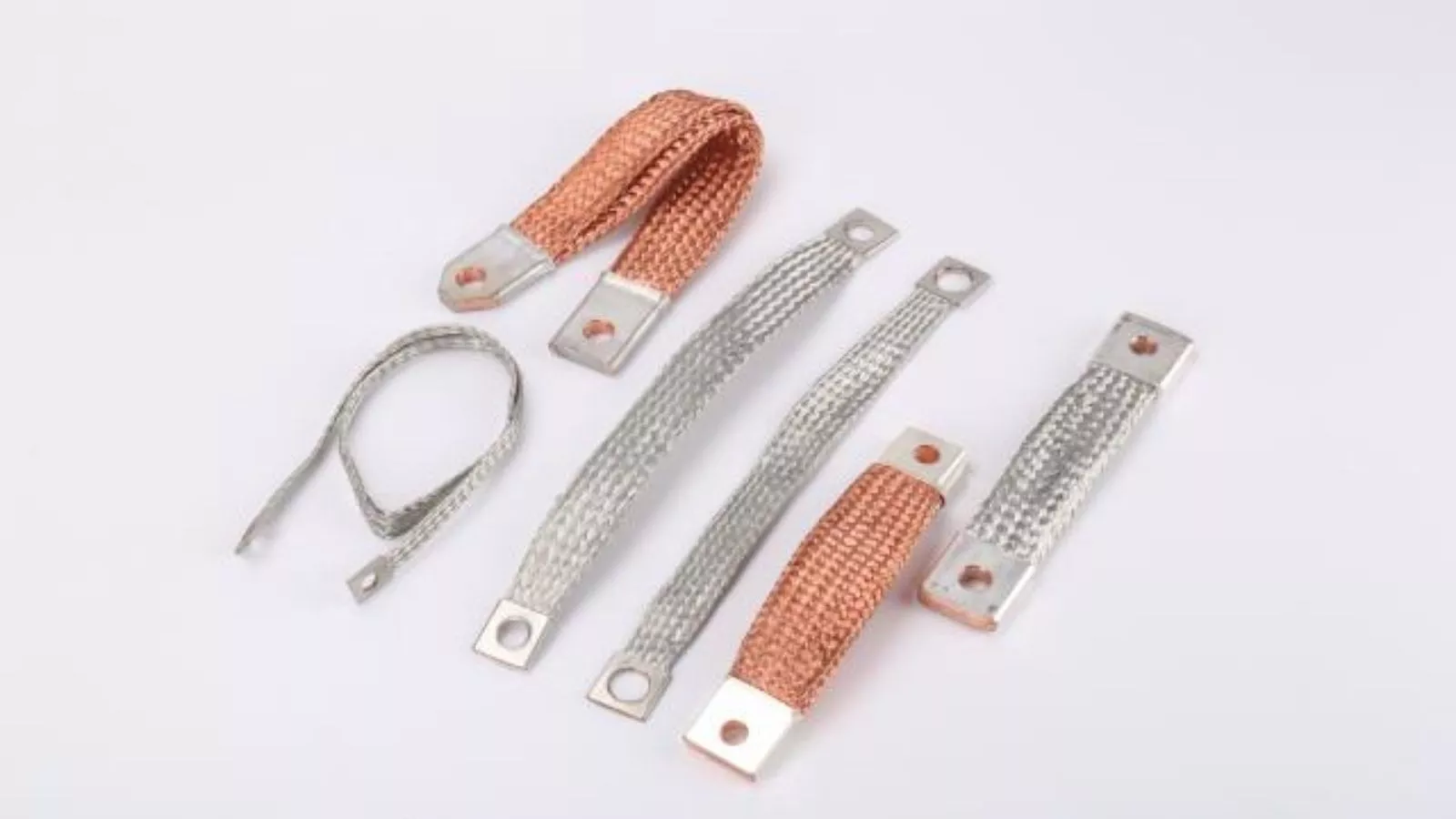
Silver plated copper is not automatically the best choice for every project. The right surface treatment depends on the application, environment, and budget.
| Busbar Type | Surface Performance | Corrosion Resistance | Cost | Typical Applications |
|---|---|---|---|---|
| Bare Copper | Excellent | Moderate | Lower | General power distribution |
| Tin Plated Copper | Very Good | Good | Moderate | General electrical connections |
| Silver Plated Copper | Excellent | Very Good | Higher | High-current and demanding connections |
Bare copper is often the economical choice. It already offers excellent bulk conductivity. However, the exposed copper surface can oxidize over time.
For a standard indoor distribution system, bare copper may be completely adequate. For a critical high-current connection, a more stable surface may justify the additional cost.
Tin plating is widely used because it provides good corrosion protection at a moderate cost.
Silver plating is generally selected when surface conductivity and contact performance are especially important.
For example, a cost-sensitive distribution panel may favor tin plated copper. A compact high-current power assembly may have stronger reasons to use silver plated copper.
The final performance depends on more than the silver itself. Surface preparation and plating control are equally important.
The copper material is cut and formed according to the required dimensions.
Depending on the design, this may include bending, punching, drilling, or other machining operations.
The copper surface is cleaned before plating.
Oil, dirt, oxides, and other contaminants must be removed. Proper preparation helps the silver coating bond evenly to the copper surface.
The prepared busbar undergoes a controlled silver plating process.
The required coating area and thickness depend on the application and customer specification.
A good plating job should look uniform and clean. Uneven coverage, contamination, or poor adhesion can compromise the finished busbar.
The finished busbar is inspected for key parameters such as:
For customized busbars, inspection can also be matched to the customer's drawings, specifications, and applicable standards.
The result is a copper busbar with a controlled silver surface, ready for integration into the final electrical assembly.
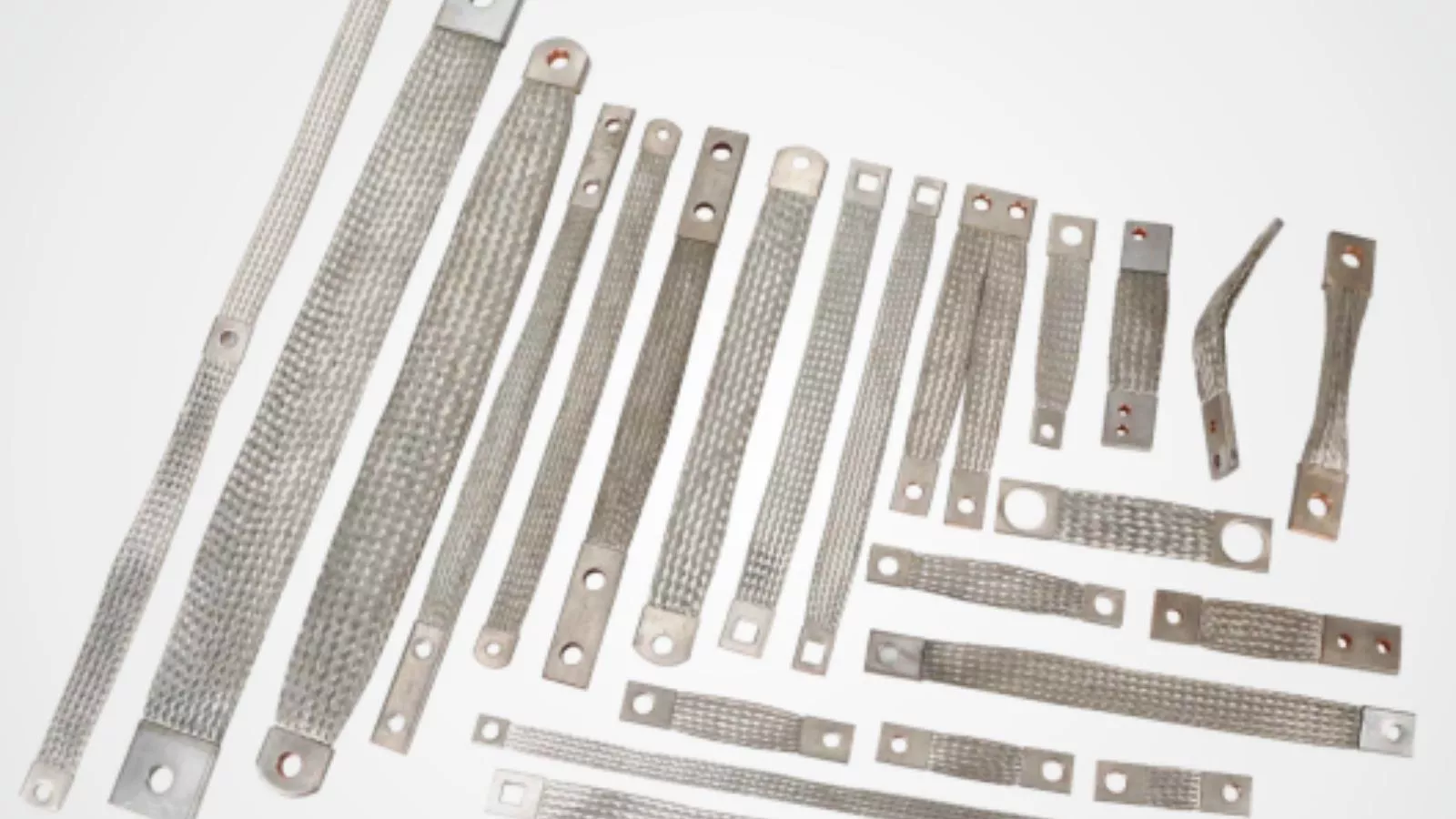
There is no single silver plating thickness that fits every copper busbar. The right thickness depends on the electrical, environmental, and mechanical requirements of the application.
Several factors should be considered:
A busbar installed inside a clean indoor cabinet may have very different requirements from one exposed to humidity, temperature changes, or frequent mechanical connection.
Thicker is not always better. The goal is to select enough silver to meet the required performance without adding unnecessary material and cost.
Thickness is only part of the equation. The silver layer should also be consistent across the specified surface. Thin spots, exposed copper, or poor adhesion can reduce the value of the plating.
For this reason, plating thickness should be checked according to the agreed specification rather than judged only by appearance.
The best busbar starts with the application, not the product name. Before ordering, define the electrical and mechanical requirements first.
Start with the required current, voltage, and conductivity.
Then determine the busbar size and copper grade needed for the application.
Think about where the busbar will work.
A clean indoor switchgear cabinet and an outdoor energy system do not place the same demands on a plated surface.
Specify the silver plating thickness and the areas that need to be plated.
Also consider surface finish, dimensional tolerances, and any required inspection criteria.
Busbars are rarely used as standalone components.
Check the required hole positions, bends, connection points, clearances, and installation method.
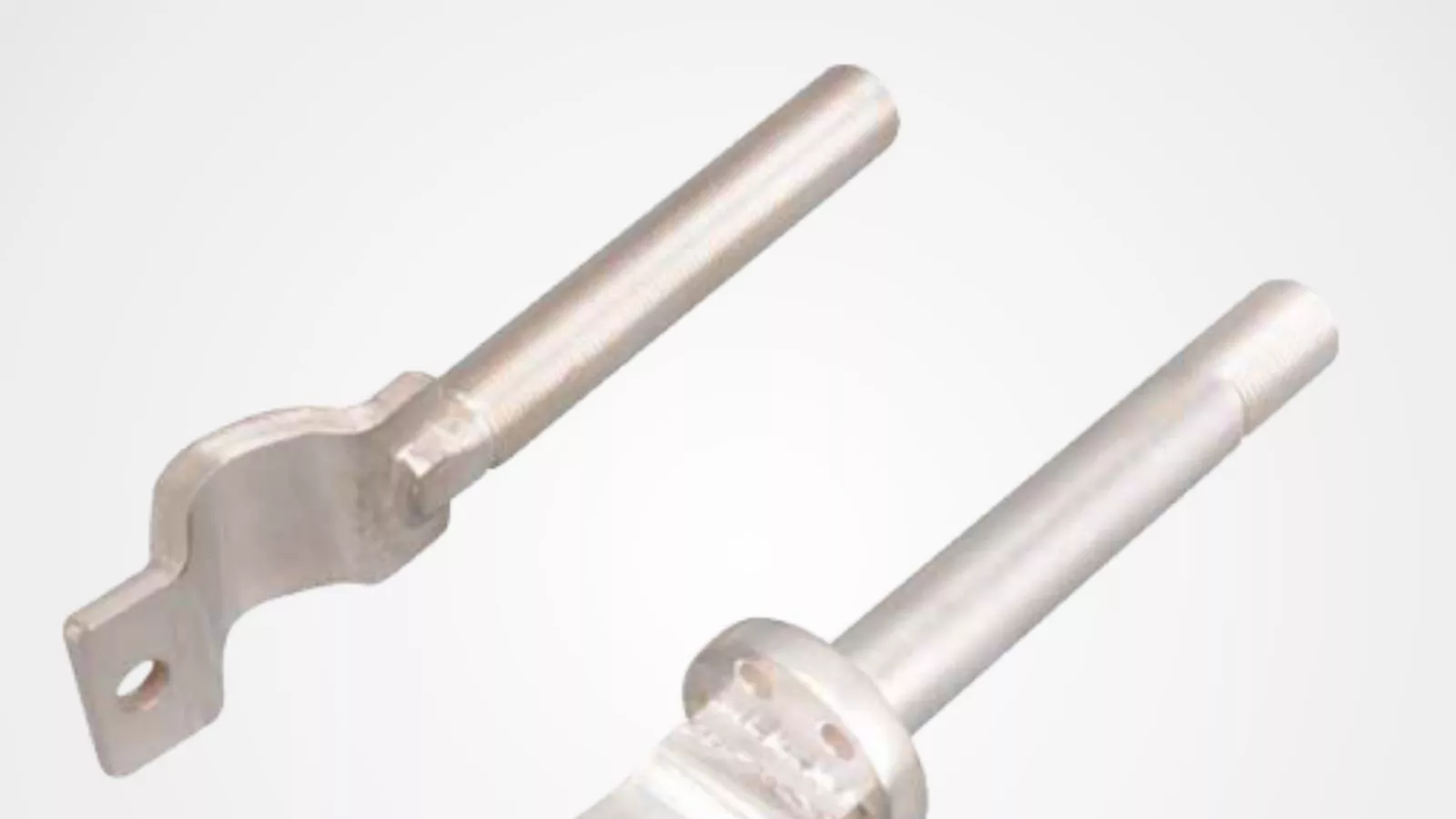
Silver plating costs more than using bare copper. The real question is whether the added surface performance solves a real problem.
For demanding electrical connections, the answer can be yes.
Silver plated copper is easier to justify when the application requires:
For example, if a busbar connection is difficult to access after equipment assembly, reliability becomes more valuable. Spending more on the connection surface may cost less than troubleshooting a problem later.
Silver plating is not necessary for every application. For standard power distribution in a controlled environment, bare copper or tin plated copper may provide sufficient performance at a lower cost.
The decision should therefore balance performance, service conditions, expected lifetime, and total project cost.
The best choice is not always the most expensive busbar. It is the one that meets the application requirements without unnecessary specification.
Yes. Copper can be silver plated through a controlled plating process. Proper surface preparation is important to achieve good adhesion and uniform coverage.
Silver-coated copper is a copper material covered with a layer of silver. In busbars, the copper provides the main current-carrying path, while the silver improves the surface and contact characteristics.
Yes. Silver plating can add functional value by improving surface conductivity, contact performance, and resistance to surface oxidation. Its value depends on the application and plating specifications.
The silver surface itself does not normally develop the typical green patina associated with exposed copper. However, damaged plating or exposed copper areas can oxidize and may eventually show discoloration.
Copper is a common choice because of its excellent conductivity and good balance of performance and cost. The best surface treatment depends on the application, environment, current requirements, and connection method.
Silver plated copper busbars combine the high conductivity of copper with the surface advantages of silver. They are particularly useful when stable electrical contact, low contact resistance, and long-term reliability are important.
Choosing the right busbar requires more than selecting a material. Copper grade, dimensions, plating thickness, operating conditions, and connection requirements all need to match the application. As a China-based manufacturer, SHZHJ can provide silver plated copper busbars tailored to specific electrical and mechanical requirements.
If you have a drawing, specification, or project requirement, contact SHZHJ to discuss the right solution and request a quotation.
*We respect your confidentiality and all information are protected.

This article explores the key differences between silver and copper conductors, focusing on resistance, performance, and real-world applications—understanding these factors is essential for making informed decisions.

This guide explains how flexible copper busbars work, how to select the right one, and why your choice directly impacts system reliability.

In the railway and heavy equipment industry, locomotive contacts are small but critical components that make or break electrical circuits inside contactors, relays, and switches.